Introduction
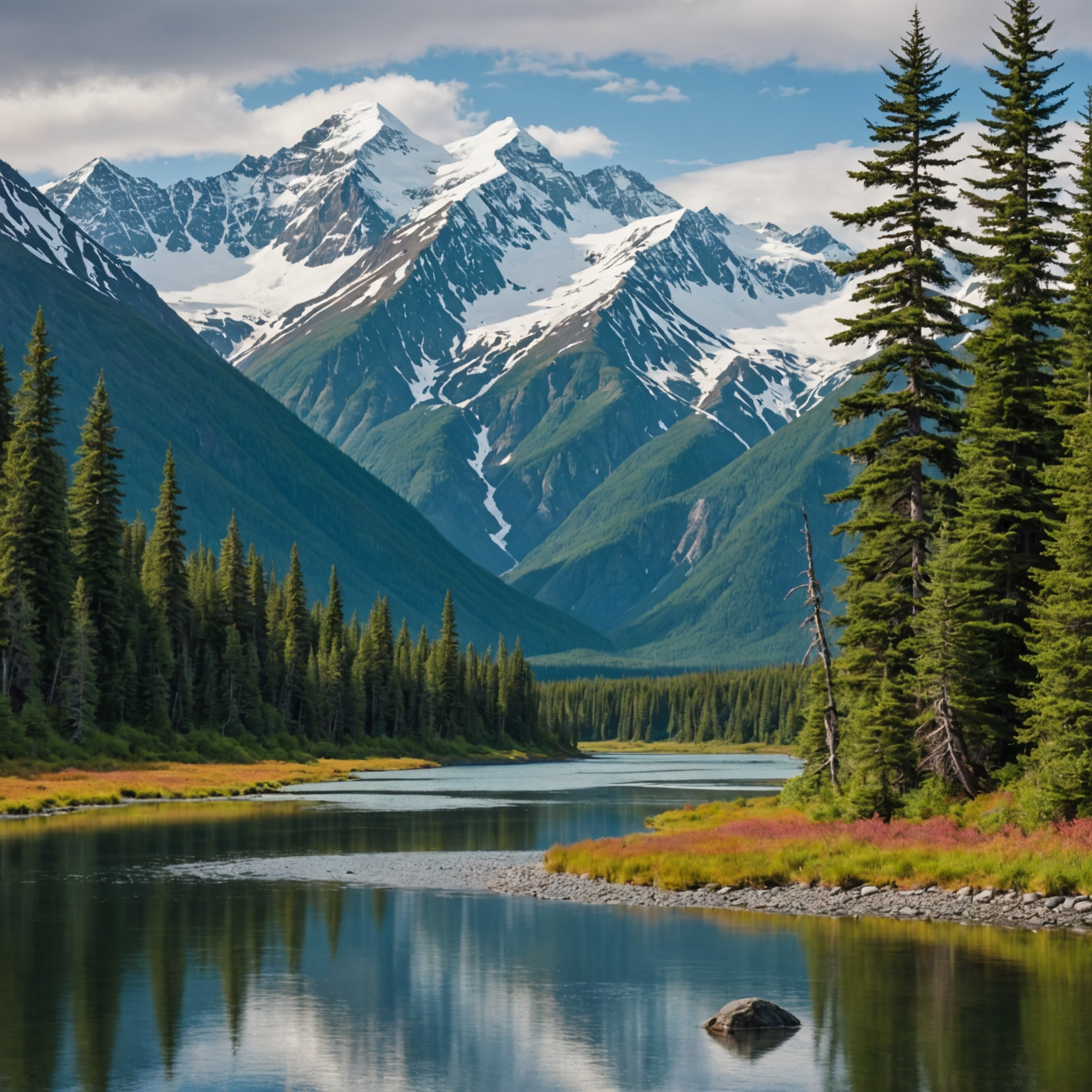
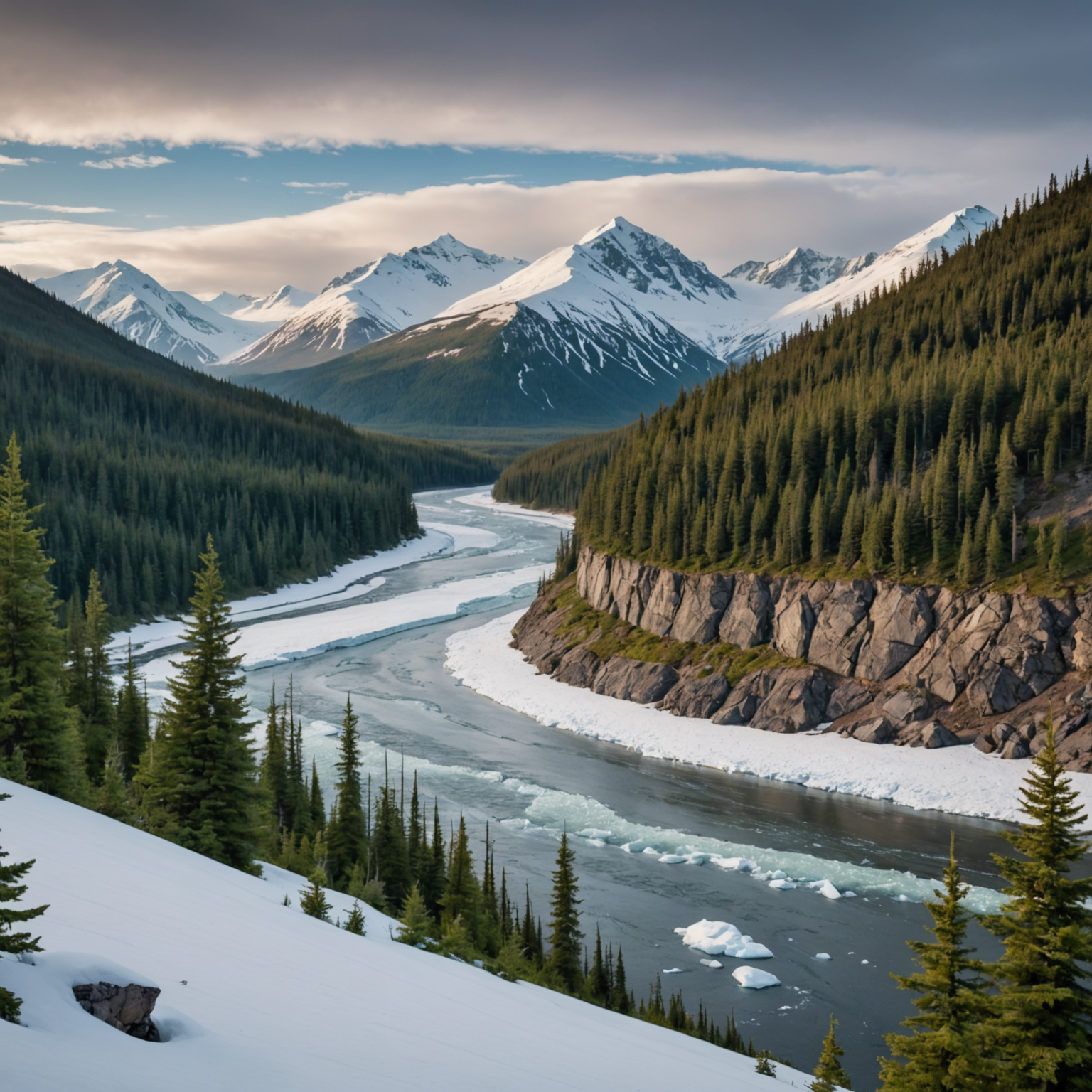
Mount Marcus Baker stands as the highest peak in Alaska’s Chugach Range, a majestic and often challenging destination for climbers and nature enthusiasts alike. This impressive mountain reaches an elevation of 13,176 feet, making it not only a significant landmark in the region but also a beacon for adventure seekers. Located approximately 75 miles east of Anchorage, Mount Marcus Baker is part of the Chugach National Forest, one of the most expansive and diverse forest areas in the United States. In this blog post, we will explore the history, geography, and unique features of Mount Marcus Baker, along with tips for those planning to visit this awe-inspiring peak.
History and Naming
Mount Marcus Baker was named after Marcus Baker, a prominent Alaskan explorer, cartographer, and geologist. Baker was instrumental in mapping much of Alaska in the late 19th and early 20th centuries. His contributions to the understanding of Alaska’s geography and natural resources were invaluable, and the peak was named in his honor to commemorate his work.
The first successful ascent of Mount Marcus Baker was accomplished in 1938 by a team led by Brad Washburn. This ascent marked a pivotal moment in Alaskan mountaineering history, as it was one of the earliest climbs of a major peak in the state. Today, the mountain remains a popular destination for experienced climbers seeking to challenge themselves against steep inclines and unpredictable weather conditions.
Geography and Climate
The Chugach Range is known for its rugged terrain and diverse ecosystems. Mount Marcus Baker is no exception, featuring steep ridges, glaciated valleys, and a variety of alpine flora and fauna. The mountain’s proximity to the Gulf of Alaska significantly influences its climate, resulting in heavy snowfall and variable weather patterns.
Climbers and visitors must be prepared for rapidly changing conditions, including snowstorms, high winds, and sudden temperature drops. For up-to-date weather conditions, the National Weather Service provides forecasts specific to the area. It is crucial for anyone planning to climb or trek in this region to consult these resources and plan accordingly.
Climbing Mount Marcus Baker
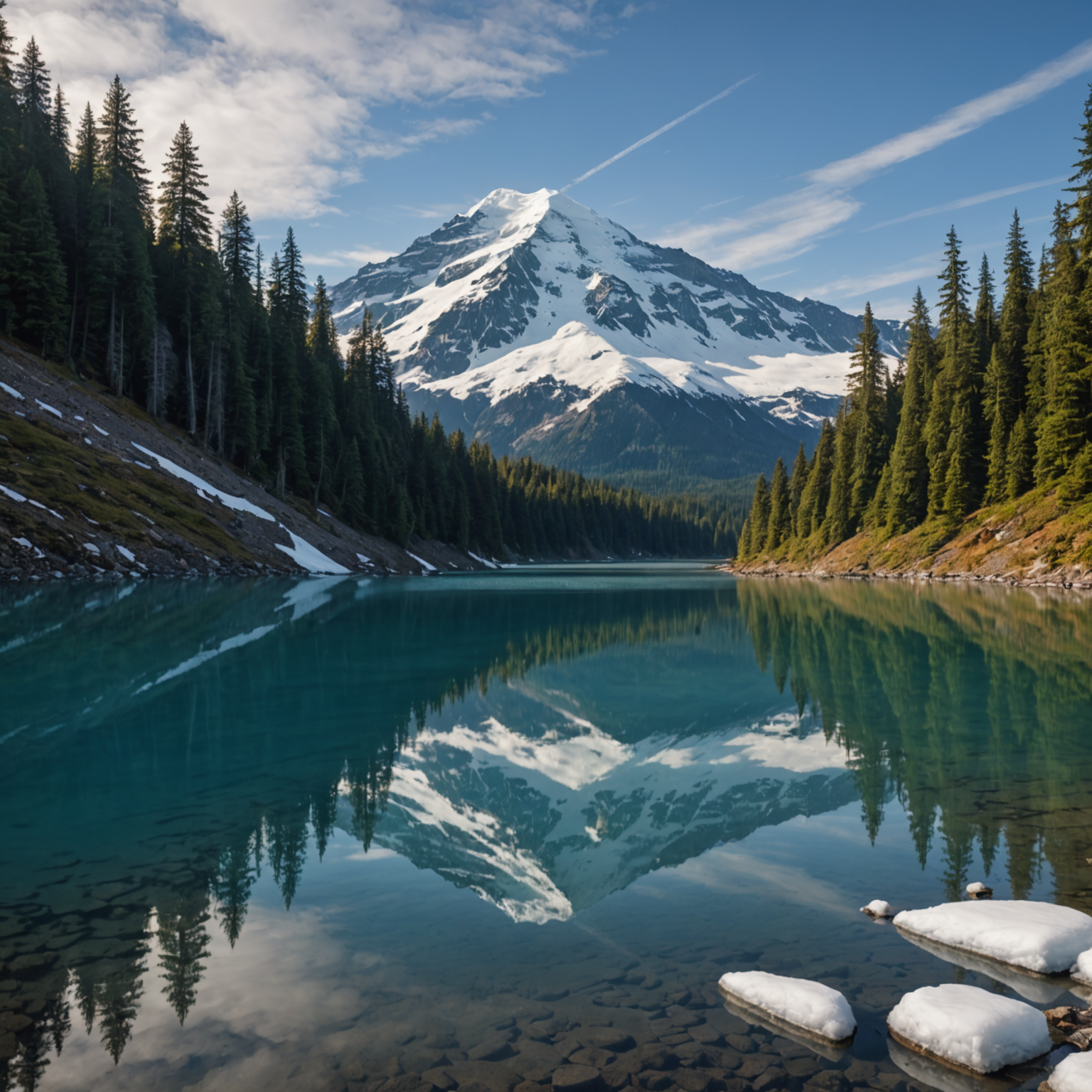
Climbing Mount Marcus Baker is a formidable challenge, best suited for experienced mountaineers. The ascent requires technical climbing skills, proficiency in glacier travel, and the ability to navigate crevassed terrain. The most common route to the summit is via the North Ridge, which involves a combination of ice climbing and rock scrambling.
Given the mountain’s remote location and the complexities of the climb, it is advisable to embark on this adventure with a knowledgeable guide. For those interested in guided expeditions, Travel Alaska offers a list of reputable guided climbing services. It’s essential to have the proper gear, including essential dog sled gear for Alaska mushing if you plan to use sleds for part of your approach.
Wildlife and Natural Features
Mount Marcus Baker and its surrounding areas are home to a variety of wildlife. Visitors may encounter species such as Dall sheep, mountain goats, and even the occasional black or brown bear. It’s important to observe wildlife from a safe distance and follow guidelines from the Alaska Department of Fish and Game to ensure a safe and respectful interaction with the natural environment.
The area also boasts stunning glacial features, including the expansive Harriman Glacier. These glaciers are not only breathtaking to observe but also serve as important indicators of climate change. For those interested in learning more about the impact of climate on Alaska’s glaciers, the USGS provides valuable research and data.
Visiting and Exploring the Chugach National Forest
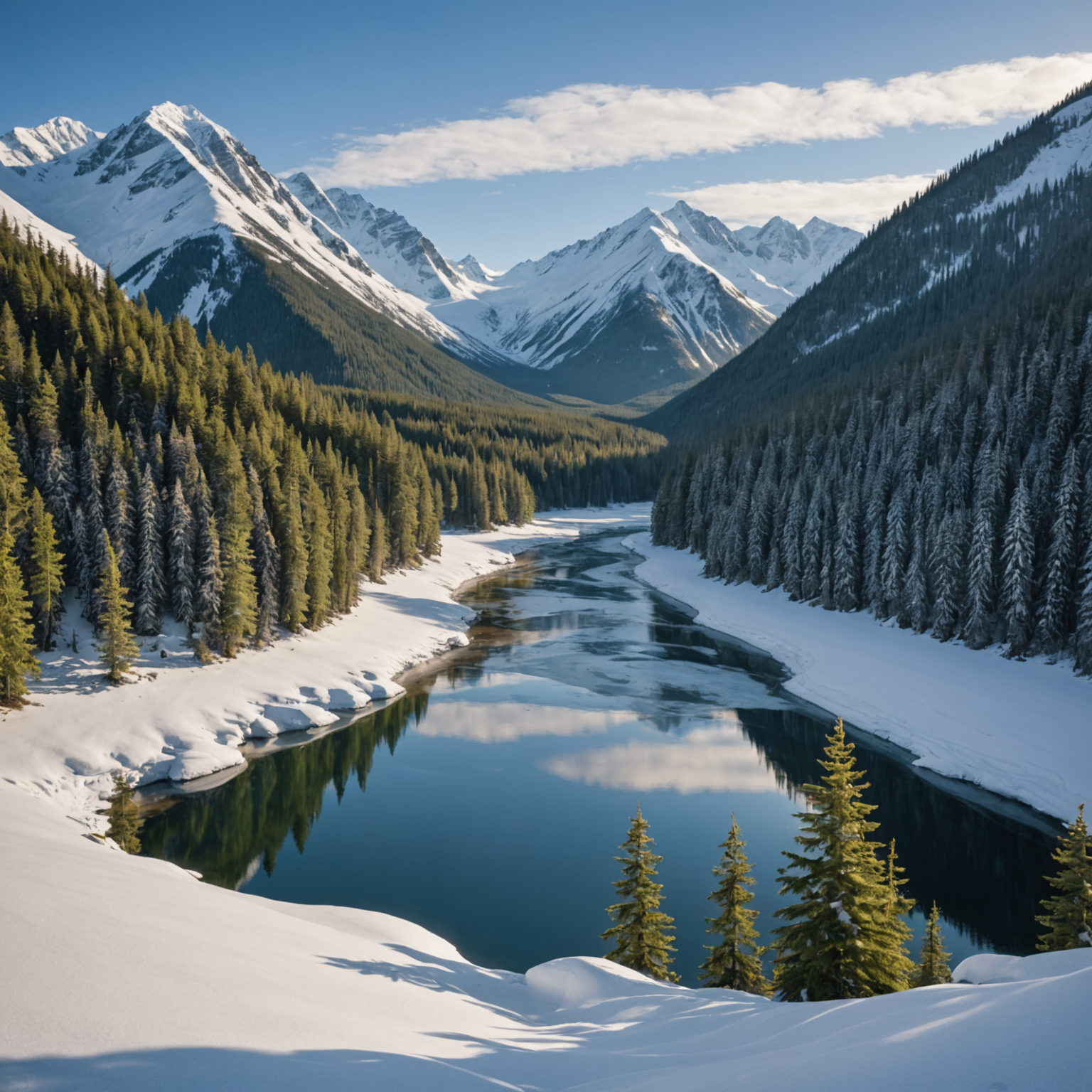
Aside from climbing, Mount Marcus Baker is situated in an area that offers a plethora of outdoor activities. The Chugach National Forest is a prime location for hiking, wildlife viewing, and photography. Visitors can explore numerous trails, each offering its unique perspective of the Alaskan wilderness.
For those less inclined to climb, the surrounding areas provide ample opportunity to experience the beauty of Alaska. Consider taking a guided tour or renting a cabin at Hatcher Pass, which offers stunning views and a peaceful retreat from the hustle and bustle of everyday life.
Conclusion
Mount Marcus Baker is more than just the highest peak in the Chugach Range; it is a symbol of Alaska’s untamed beauty and adventurous spirit. Whether you are an experienced climber or someone who simply appreciates the grandeur of nature, Mount Marcus Baker and its surroundings offer a remarkable experience. From its challenging climbs to its breathtaking vistas, this mountain remains a testament to the enduring allure of Alaska’s wilderness.
FAQ
1. How do I get to Mount Marcus Baker?
Mount Marcus Baker is located about 75 miles east of Anchorage. Access typically requires a combination of driving and charter flights to remote airstrips, followed by a trek to the mountain base.
2. What is the best time of year to climb Mount Marcus Baker?
The best time to climb is typically late spring to early summer, when weather conditions are more stable. However, always check the latest weather forecasts before planning your trip.
3. Is a permit required to climb Mount Marcus Baker?
Currently, no specific permit is required to climb Mount Marcus Baker. However, climbers should register their plans with local authorities and follow all safety guidelines.
4. What wildlife might I encounter on or around the mountain?
Visitors may encounter Dall sheep, mountain goats, and bears. It is important to follow wildlife safety guidelines to ensure a safe experience.
5. Are there guided tours available?
Yes, there are several guided climbing services available. For more information, consult Travel Alaska for a list of certified guides.
6. What other activities can I do in the Chugach National Forest?
Aside from climbing, visitors can enjoy hiking, photography, and wildlife viewing. The Chugach National Forest offers a wealth of recreational opportunities.
7. How difficult is the climb to the summit?
Climbing Mount Marcus Baker is challenging and recommended for experienced mountaineers. It involves technical climbing and glacier travel, requiring proficiency in these areas.
8. What should I pack for a climb?
Essential gear includes climbing equipment, glacier travel tools, and appropriate clothing for Alaskan conditions. It’s crucial to be well-prepared for the climb.