Introduction
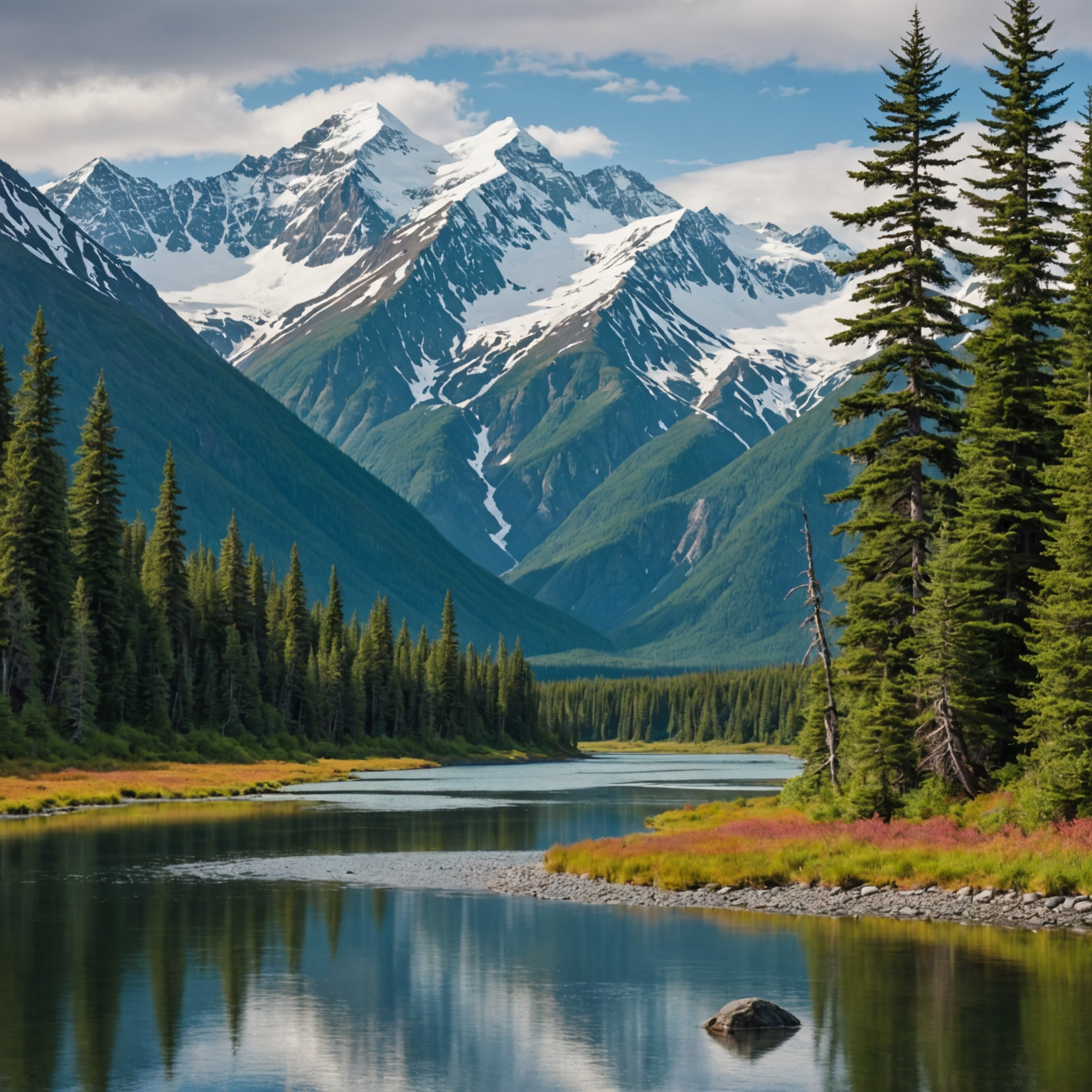
Nestled in the heart of Alaska’s Kenai Peninsula, the Anchor River is a renowned destination for anglers and nature enthusiasts alike. This river, which flows directly into Cook Inlet, offers a remarkable mix of stunning scenery, abundant wildlife, and, most notably, an exceptional fishing experience. Whether you’re a seasoned angler or a novice looking to cast your first line, the Anchor River in Alaska provides an unforgettable backdrop for fishing adventures. This guide will offer insights into the river’s fishing opportunities, the best times to visit, and essential tips for a successful trip.
Fishing Opportunities in Anchor River
Species Available
The Anchor River is home to a variety of fish species, making it a versatile destination for different types of anglers. The river is particularly famous for its runs of king salmon, which occur from late May to early July. Anglers also have the opportunity to catch silver salmon, steelhead, and Dolly Varden. The presence of these species ensures that fishing on the Anchor River is a year-round activity, with each season offering unique prospects.
Best Times to Fish
To maximize your fishing success, timing is crucial. Spring and early summer are ideal for king salmon, with silver salmon peaking in late summer. For those interested in steelhead, fall is the best time, as these fish return to the river to spawn. Understanding the seasonal patterns and planning your trip accordingly can greatly enhance your chances of a successful fishing expedition.
Essential Gear and Techniques
Fishing in the Anchor River requires specific gear to match the diverse fish population. Anglers targeting salmon might opt for heavy-duty rods and reels, while those pursuing steelhead may prefer lighter tackle. Fly fishing is also popular in the river, especially for trout and Dolly Varden. Local bait and tackle shops can provide valuable insight into the best gear and techniques for current conditions.

Planning Your Trip
Accommodations and Amenities
When planning a trip to the Anchor River, it’s essential to consider nearby accommodations. The Kenai Peninsula offers a range of options, from rustic cabins to modern lodges. Consider staying at places that offer easy access to the river, enabling early morning or late evening fishing trips. For those who prefer camping, there are several campgrounds along the river providing basic amenities.
Safety and Regulations
Fishing in Alaska comes with its set of rules and regulations to protect the natural environment and ensure sustainable practices. Anglers need to familiarize themselves with the local fishing regulations, which can be found on the Alaska Department of Fish and Game website. Additionally, understanding bear safety is crucial, as the area is home to a healthy bear population. More information on how to safely coexist with bears can be accessed through the ADF&G.
Weather Considerations
The weather on the Kenai Peninsula can be unpredictable, so it’s wise to pack accordingly. Layered clothing, waterproof gear, and mosquito repellent are essential items. For accurate weather forecasts, visit the National Weather Service Alaska for updates tailored to your fishing dates.
Beyond Fishing: Exploring the Kenai Peninsula
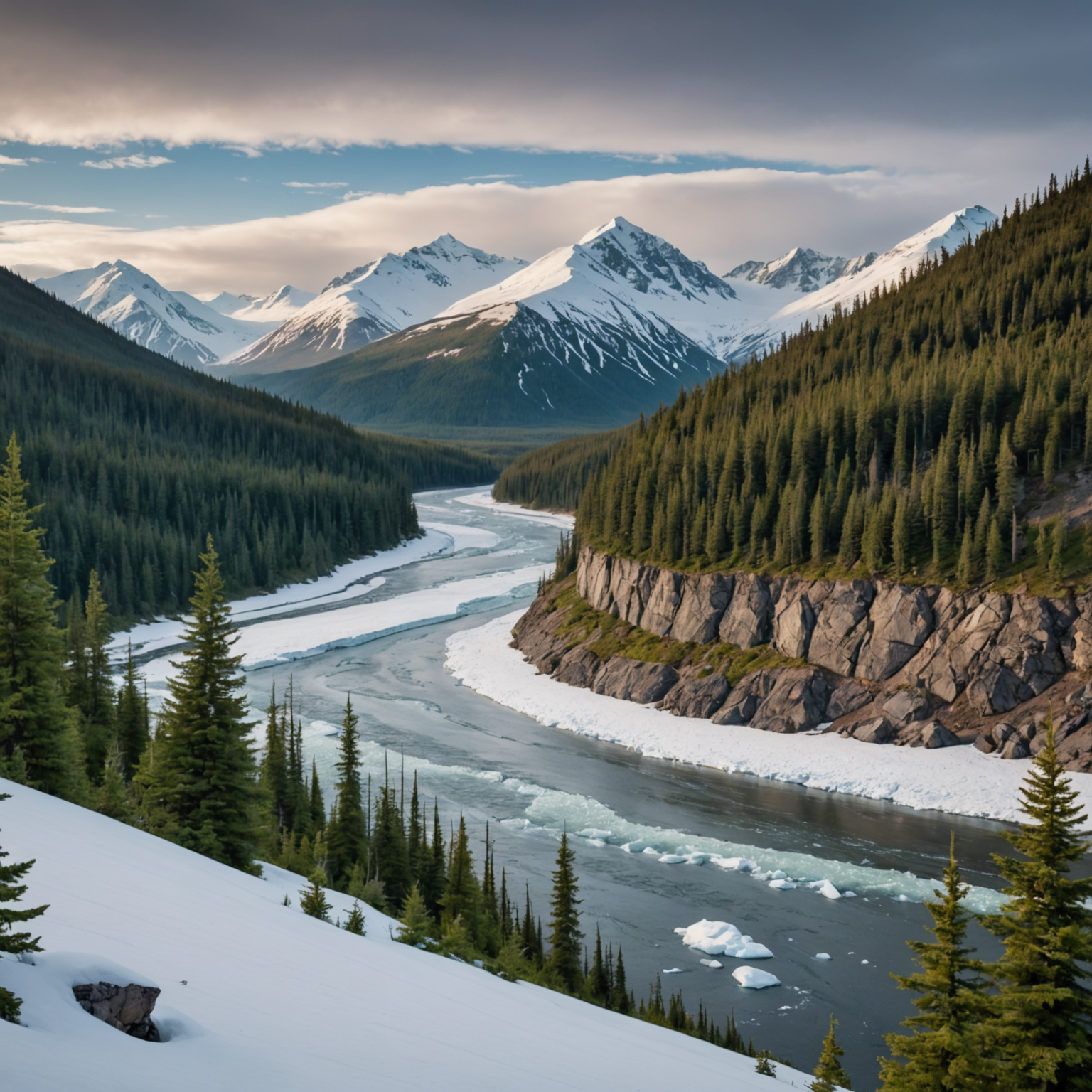
While fishing is a primary draw, the Kenai Peninsula offers numerous other attractions for visitors. Consider exploring the stunning Alaska scenery on a guided snowmobile adventure or embark on an Aurora Winter Train experience for a unique perspective of the Alaskan wilderness.
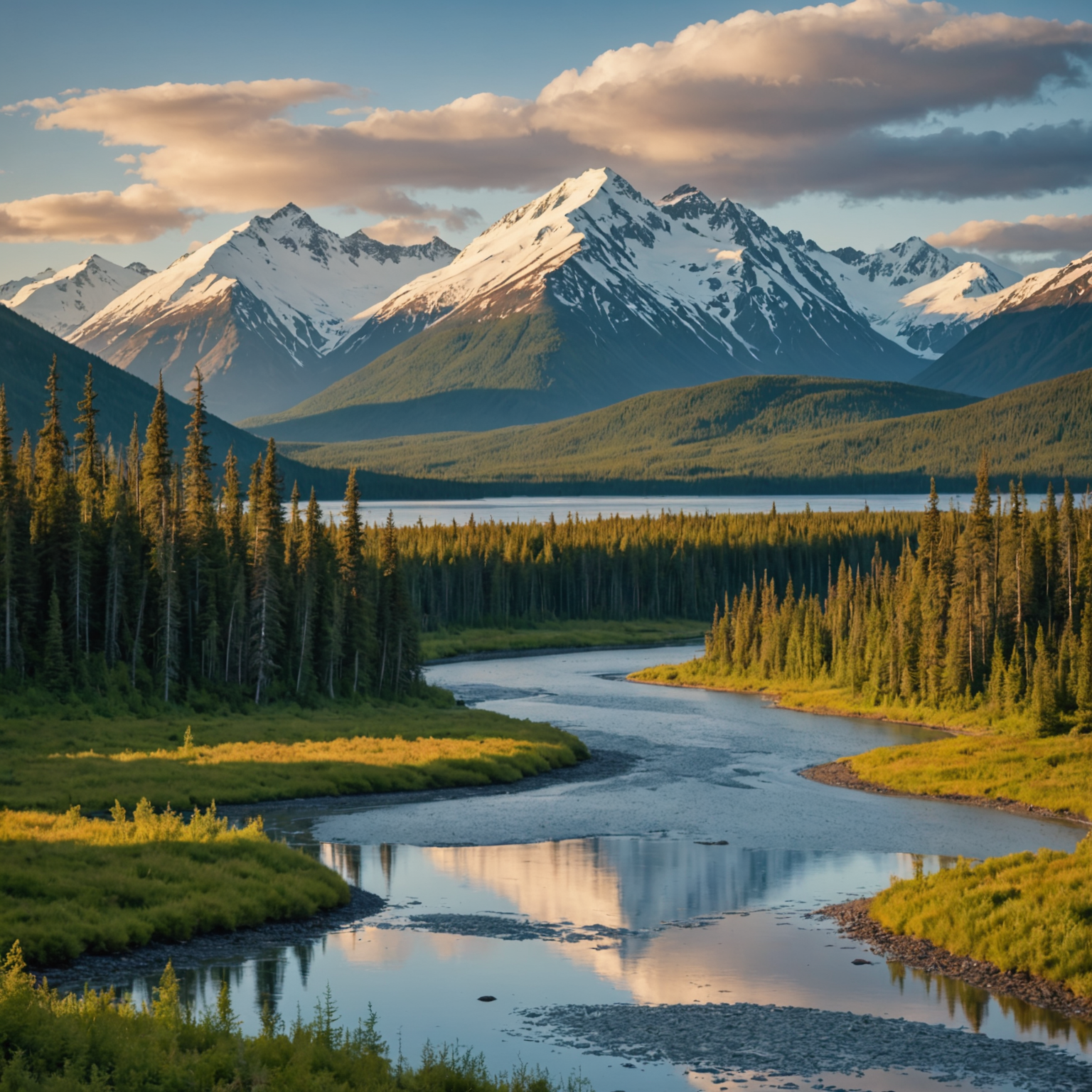
For those who wish to extend their stay, the Kenai Peninsula is a gateway to exploring other renowned Alaskan attractions. Whether it’s visiting nearby national parks or experiencing the vibrant culture of Anchorage, this region is rich with opportunities for adventure.
Conclusion
Fishing on the Anchor River in Alaska offers an unparalleled experience for nature lovers and anglers alike. The river’s rich fish population, combined with the breathtaking beauty of the Kenai Peninsula, makes it a must-visit destination. With proper planning, respect for local regulations, and an appreciation for the natural surroundings, a fishing trip to the Anchor River can be both rewarding and memorable.
FAQ
What is the best time of year to fish the Anchor River?
The best time to fish the Anchor River depends on the species you are targeting. King salmon are best caught from late May to early July, while silver salmon and steelhead are more prevalent in late summer and fall.
Do I need a fishing license to fish in the Anchor River?
Yes, a fishing license is required to fish in the Anchor River. Licenses can be purchased through the Alaska Department of Fish and Game.
Are there guided fishing tours available?
Yes, there are several local outfitters that offer guided fishing tours on the Anchor River. These tours can provide valuable insight into the best fishing spots and techniques.
What should I pack for a fishing trip to the Anchor River?
Packing essentials include layered clothing, waterproof gear, mosquito repellent, and appropriate fishing tackle. It’s also wise to bring a map and familiarize yourself with the local area.
Can I see other wildlife while fishing on the Anchor River?
Absolutely! The Kenai Peninsula is rich in wildlife, including bears, moose, and a variety of bird species. Always practice safe wildlife viewing and maintain a respectful distance.
Is camping allowed near the Anchor River?
Yes, there are campgrounds available near the Anchor River, offering a range of amenities for those who wish to stay close to nature.
What other activities can I do in the Kenai Peninsula?
Aside from fishing, you can explore stunning Alaskan scenery, partake in snowmobile tours, or enjoy cultural experiences in nearby towns such as Homer and Soldotna.
Are there any local regulations I should be aware of?
Yes, it is important to familiarize yourself with fishing regulations and bear safety guidelines. These can be accessed on the Alaska Department of Fish and Game website.