Introduction
Lake Clark National Park and Preserve, located in the breathtaking wilderness of Alaska, offers one of the most spectacular bear-viewing experiences in the world. The park, accessible mainly by small plane from Anchorage or Homer, is a true haven for nature enthusiasts and wildlife photographers. With its diverse ecosystems, ranging from rugged mountains to pristine lakeshores, Lake Clark is home to a significant population of brown bears, making it a prime destination for bear viewing. This blog post will guide you through the essential aspects of planning a Lake Clark National Park bear viewing tour, ensuring an unforgettable adventure in the heart of Alaska’s wilderness.
Discovering Lake Clark: A Bear Watcher’s Paradise
The Unique Ecosystem of Lake Clark
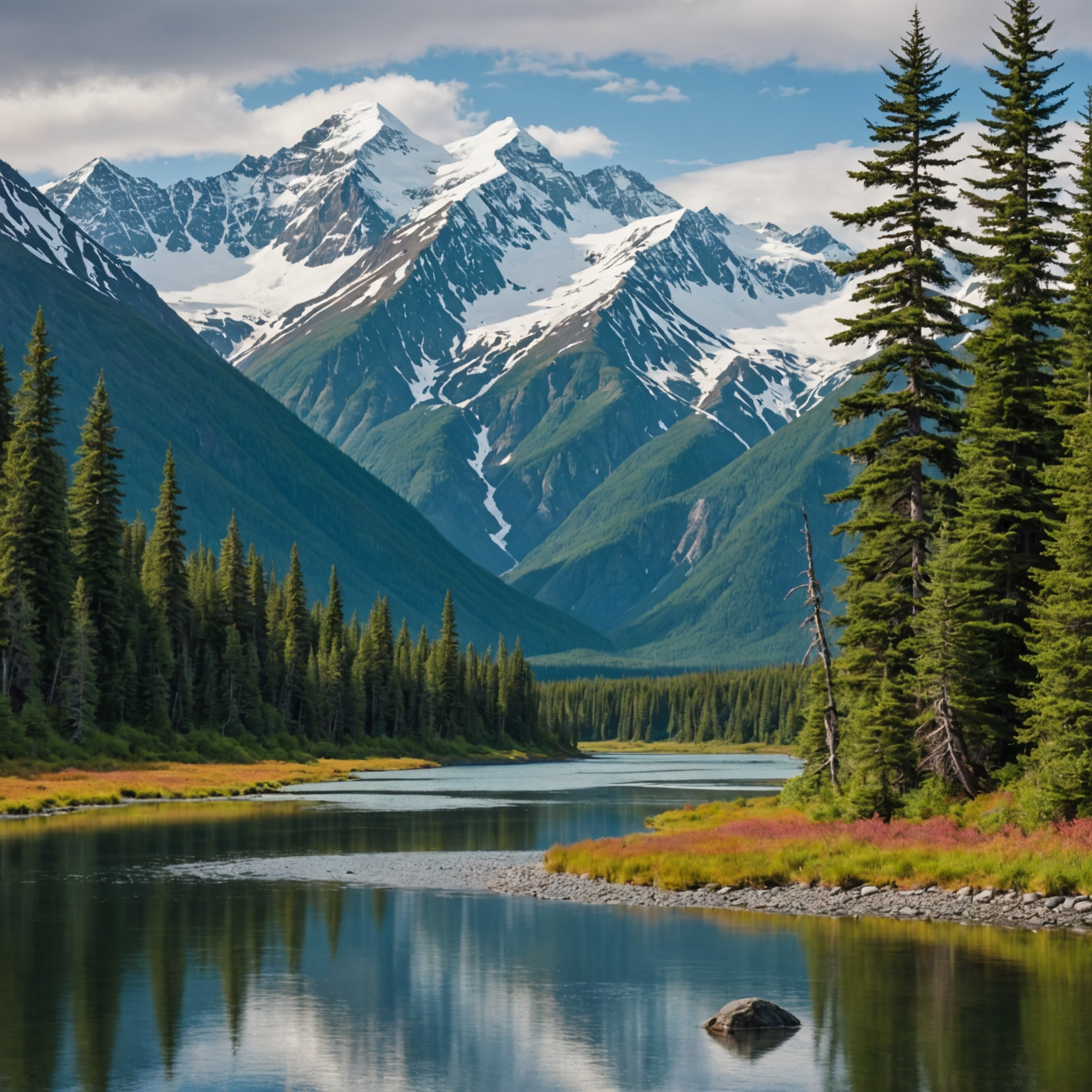
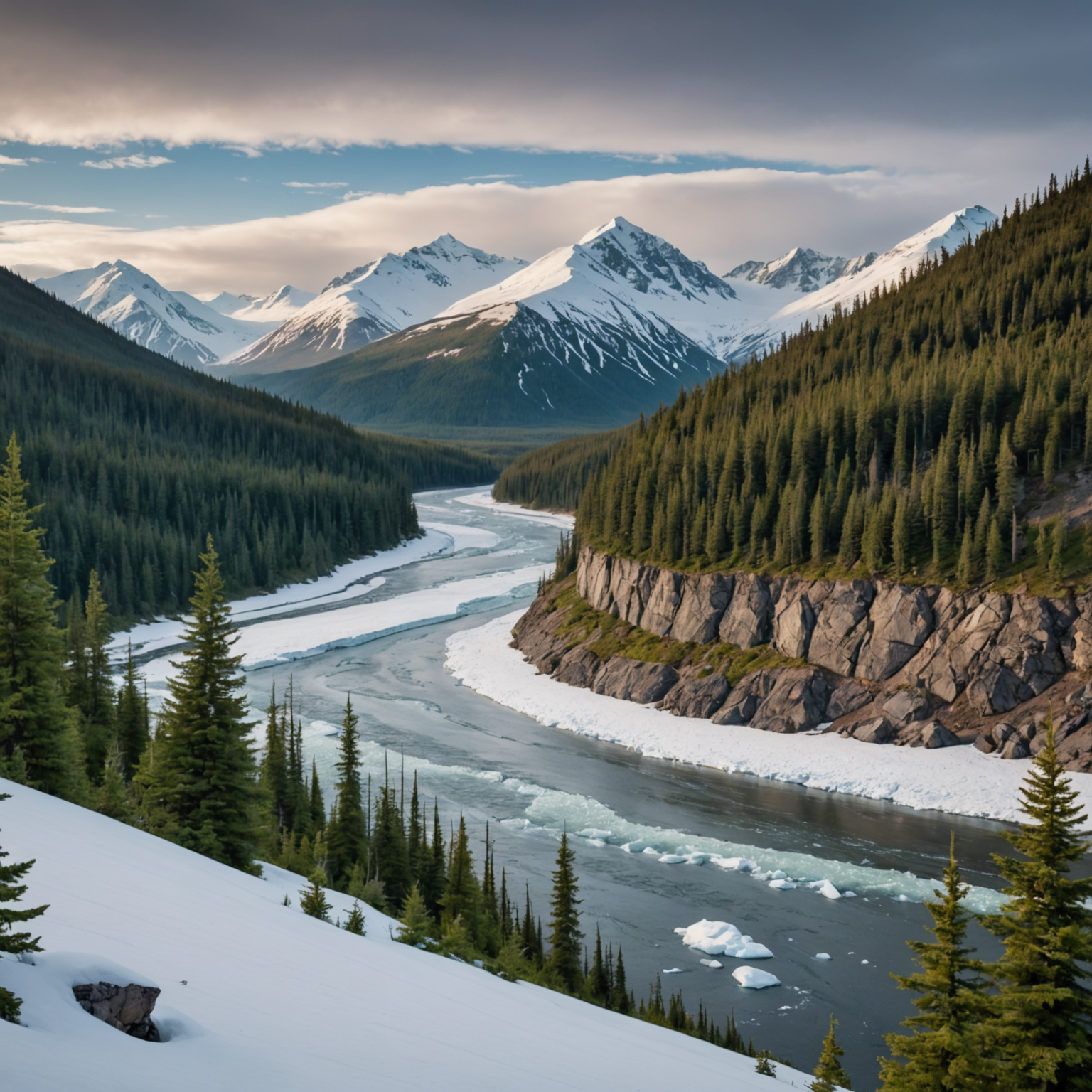
Lake Clark National Park encompasses over 4 million acres of untamed wilderness. Its unique geography includes active volcanoes, glaciers, and diverse wildlife habitats that support a rich variety of species, including the iconic brown bear. This thriving ecosystem provides an ideal environment for bears to forage for food, particularly during the salmon run when bears gather along the rivers to feast on migrating fish.
Planning Your Bear Viewing Adventure
To embark on a bear viewing tour in Lake Clark, planning is crucial. Most tours are conducted from Anchorage or Homer, where small charter planes provide access to the park’s remote locations. These tours typically run from late spring through early fall, with peak bear activity observed between July and September.
Choosing the Right Tour Operator
Selecting a reputable tour operator is essential for a safe and informative experience. Look for operators with experienced guides who are well-versed in bear behavior and the park’s ecosystem. Many operators offer day trips, while others provide multi-day excursions, allowing for more thorough exploration of the park.
What to Expect on a Tour
A typical bear viewing tour involves flying into the park and landing on a remote beach or airstrip. From there, guides lead small groups to prime bear-watching areas. Visitors can expect to observe bears in their natural habitat, often at close range, while maintaining a respectful distance to ensure the safety of both humans and wildlife. Guides provide valuable insights into bear behavior and the park’s ecology, enhancing the overall experience.
Preparing for Your Trip
Essential Gear and Safety Tips
When embarking on a bear viewing tour, preparation is key. Dress in layers to accommodate Alaska’s unpredictable weather, and bring waterproof gear to stay dry during potential rain showers. Binoculars and a camera with a telephoto lens are recommended for capturing stunning wildlife moments. It’s also crucial to follow safety guidelines provided by your guide, including maintaining a safe distance from bears and remaining calm during encounters.
Understanding Bear Behavior
Learning about bear behavior enhances your understanding and enjoyment of the experience. Bears are generally non-aggressive but can be unpredictable. Familiarize yourself with their body language and vocalizations, and always follow your guide’s instructions to ensure a safe and enjoyable viewing experience.

Conclusion
Lake Clark National Park offers an unparalleled opportunity to witness the majestic brown bears of Alaska in their natural habitat. By choosing a reputable tour operator, preparing adequately, and respecting the wildlife, visitors can enjoy a safe and memorable bear viewing experience. This adventure is a must-do for nature enthusiasts and wildlife photographers seeking to immerse themselves in the stunning landscapes and rich biodiversity of Alaska.
For those interested in extending their Alaskan adventure, consider exploring other exciting activities, such as the Hatcher Pass Helicopter Tour or discovering the best day trips from Anchorage.
FAQ
1. What is the best time of year for bear viewing in Lake Clark National Park?
The best time for bear viewing is during the salmon run, typically from July to September, when bears are most active along the rivers.
2. How can I get to Lake Clark National Park?
Lake Clark is primarily accessible by small plane from Anchorage or Homer. Tours often include flights to the park’s remote locations.
3. What should I wear on a bear viewing tour?
Dress in layers to accommodate changing weather conditions and bring waterproof clothing. Comfortable, sturdy shoes are also recommended.
4. Are the tours safe for families with children?
Yes, many tours are family-friendly, but it’s essential to choose a tour operator that caters to families and follows strict safety protocols.
5. What type of camera equipment is recommended for bear photography?
A camera with a telephoto lens is ideal for capturing close-up shots of bears from a safe distance. Binoculars are also useful for observing wildlife.
6. Can I extend my stay in Lake Clark National Park?
Some tour operators offer multi-day excursions that allow for a more in-depth exploration of the park. Check with your operator for available options.
7. What other wildlife can I expect to see in the park?
In addition to brown bears, Lake Clark is home to a variety of wildlife, including moose, wolves, eagles, and a diverse range of bird species.
8. Are there any accommodations within the park?
Accommodations are limited within the park, so most visitors stay in nearby towns like Anchorage or Homer and take day trips into the park.