Introduction
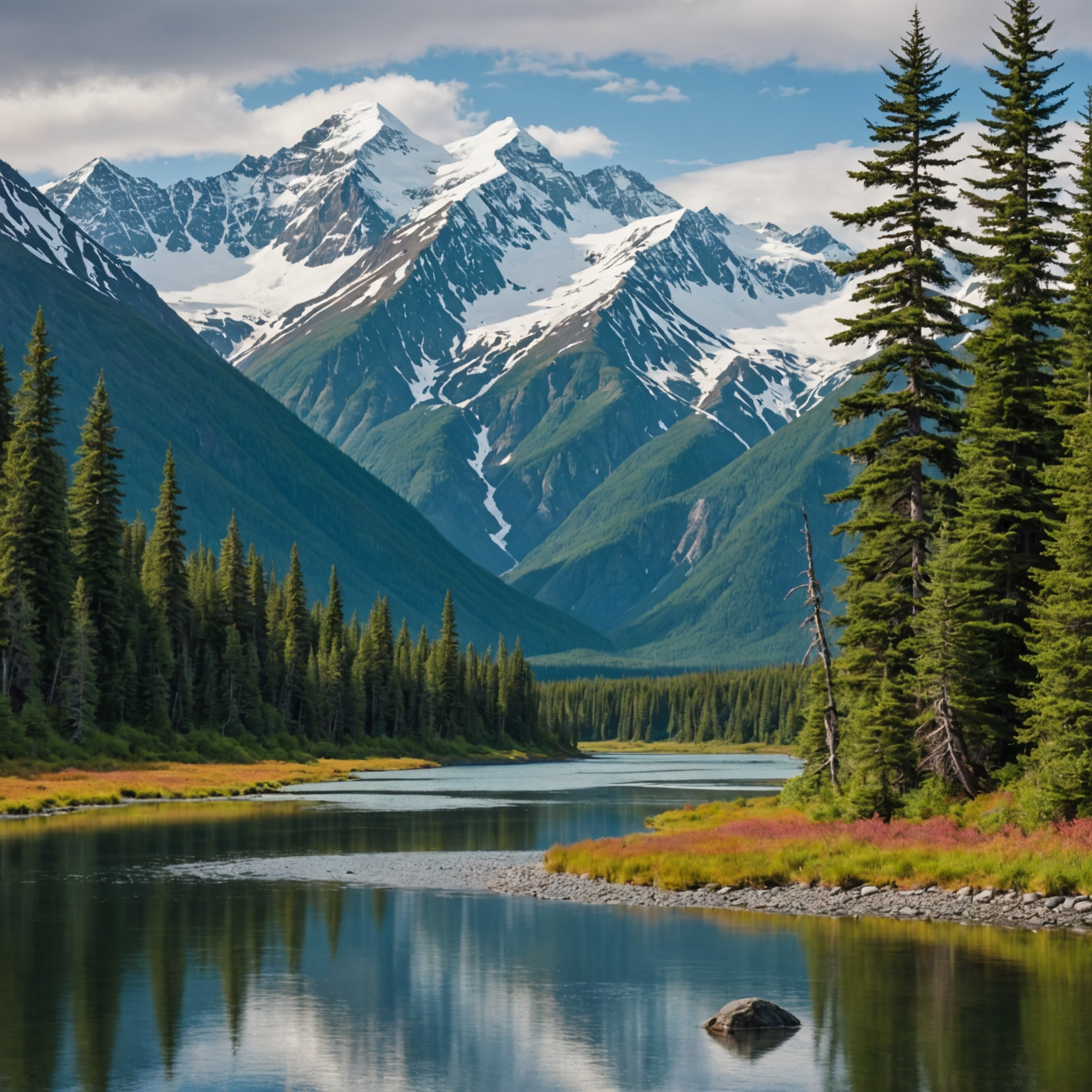
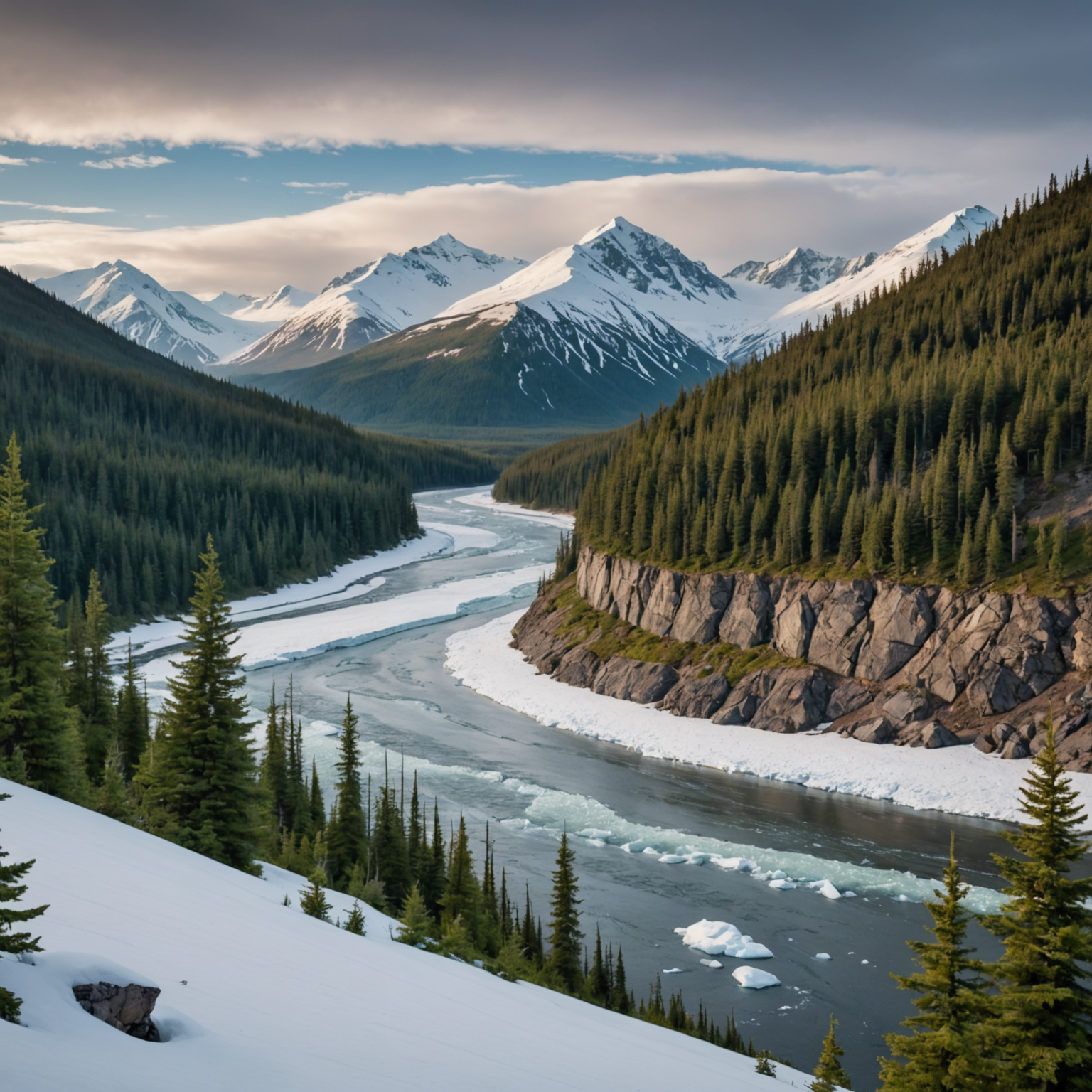
Alaska is a land of breathtaking beauty and diverse wildlife, drawing nature enthusiasts from around the world. From majestic brown bears and elusive wolves to soaring bald eagles and playful sea otters, Alaska’s wildlife offers an unforgettable experience. However, to maximize your chances of witnessing these incredible creatures, it’s essential to plan your visit during the optimal times. This guide will help you determine the best time to visit Alaska for wildlife, ensuring you experience the state’s stunning natural wonders to their fullest.
The Perfect Seasons for Alaska Wildlife Viewing
Spring: A Time of Renewal
As the snow melts and the days lengthen, spring in Alaska (April to May) heralds a time of renewal. This is when you can witness the awe-inspiring spectacle of gray whale migration. These magnificent creatures travel from their breeding grounds in Mexico to feeding grounds in the Bering Sea. The coastal areas, such as Kenai Fjords National Park, offer excellent vantage points for whale watching. Additionally, spring is the perfect time to spot migratory birds returning to Alaska. The shores and wetlands teem with vibrant birdlife, making it a paradise for birdwatchers.
For those interested in exploring more of Alaska during this season, consider planning your winter Anchorage tour for the perfect blend of wildlife and winter activities.
Summer: The Height of Activity
Summer (June to August) is arguably the best time to visit Alaska for wildlife. The state bursts with life as animals take advantage of the long, warm days. Denali National Park is a must-visit destination during this time. Here, you can see grizzly bears feasting on berries, caribou grazing in the meadows, and wolves on the hunt. The rivers brim with salmon, attracting bears and eagles in search of a meal. For marine enthusiasts, the calm waters of Glacier Bay National Park provide opportunities to see humpback whales, orcas, and sea lions.
If you’re looking for a unique adventure, check out the Hatcher Pass ATV tours to explore the rugged Alaskan terrain while keeping an eye out for wildlife.
Fall: The Season of Change
Fall (September to October) is marked by vibrant foliage and the beginning of the rutting season for moose and caribou. The cooler temperatures make wildlife more active, providing excellent opportunities for sightings. Moose can be seen in the Anchorage area, and the tundra turns a stunning array of colors, offering a picturesque backdrop for wildlife photography.
For those interested in cultural experiences alongside wildlife viewing, exploring the local life in Alaska can provide deeper insights into the region’s heritage and natural wonders.
Winter: A Different Kind of Wild
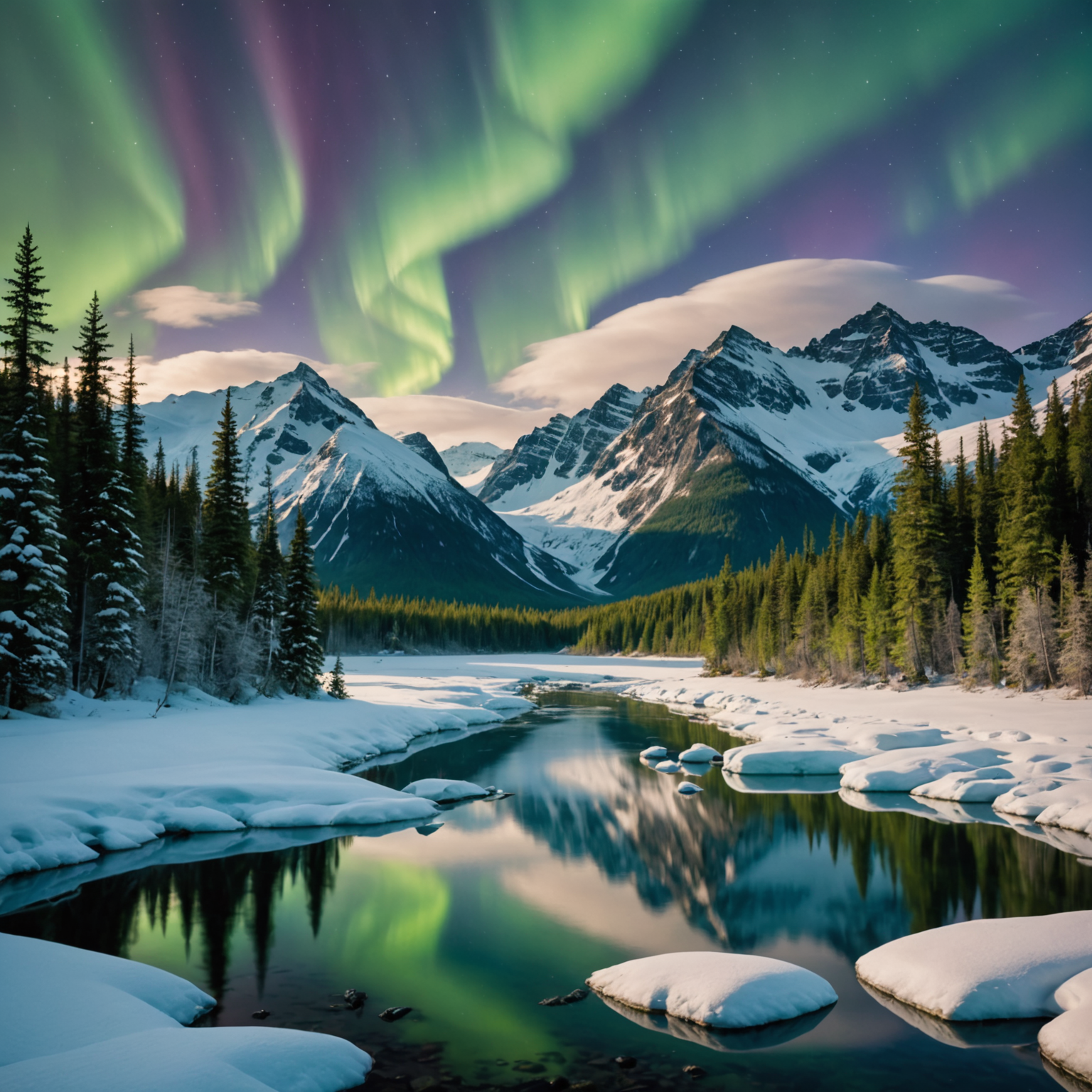
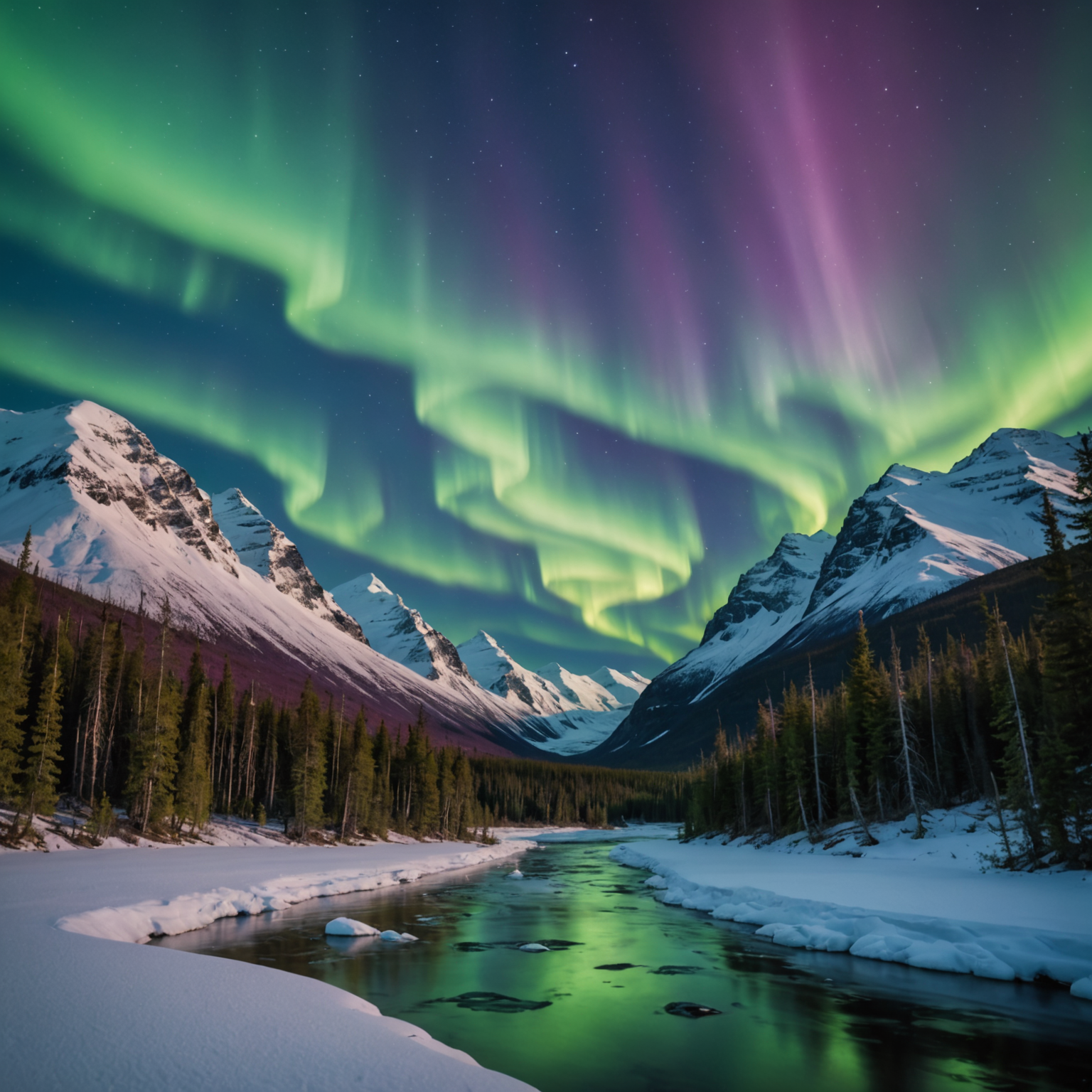
Winter (November to March) in Alaska offers a unique perspective on wildlife. While some animals hibernate, others remain active, adapting to the harsh conditions. This is a great time to see the aurora borealis, and while not strictly wildlife, the northern lights are a spectacular natural phenomenon. Additionally, the lack of foliage makes it easier to spot animals like lynx and foxes. For those interested in experiencing Alaska’s winter wildlife, consider a moonlit dog sled tour for an unforgettable adventure.
Conclusion
The best time to visit Alaska for wildlife depends on the specific animals you wish to see and the experiences you desire. Whether it’s the bustling activity of summer or the serene beauty of winter, Alaska offers unique wildlife viewing opportunities year-round. By understanding the seasonal behaviors of the state’s diverse fauna, you can plan a trip that fulfills your wildlife expectations while immersing yourself in the stunning landscapes of the Last Frontier.
FAQ
Q1: What is the best time to see bears in Alaska?
A1: The best time to see bears in Alaska is during the summer months, particularly from June to August, when they are actively feeding on salmon in rivers.
Q2: Can I see whales in Alaska year-round?
A2: While gray whales migrate in spring, humpback whales can be seen in the summer months, especially in areas like Glacier Bay.
Q3: When is the best time for birdwatching in Alaska?
A3: Spring is ideal for birdwatching as migratory birds return to Alaska. Coastal areas and wetlands are particularly vibrant with birdlife during this season.
Q4: Are there any wildlife viewing tours available in winter?
A4: Yes, winter offers unique wildlife tours, such as dog sledding and northern lights viewing, which can include sightings of active winter animals like foxes and lynx.
Q5: What should I pack for a wildlife trip to Alaska?
A5: Pack according to the season, with layers, waterproof clothing, and sturdy footwear. Binoculars and a camera are essential for wildlife viewing.
Q6: How can I ensure a safe wildlife viewing experience?
A6: Follow guidelines provided by the Alaska Department of Fish and Game and maintain a safe distance from wildlife. Always respect their natural habitat.
Q7: Is it possible to see the northern lights during a wildlife trip?
A7: Yes, winter offers a great opportunity to see the northern lights, especially from late September to March, when the nights are longest and skies are clear.