Introduction
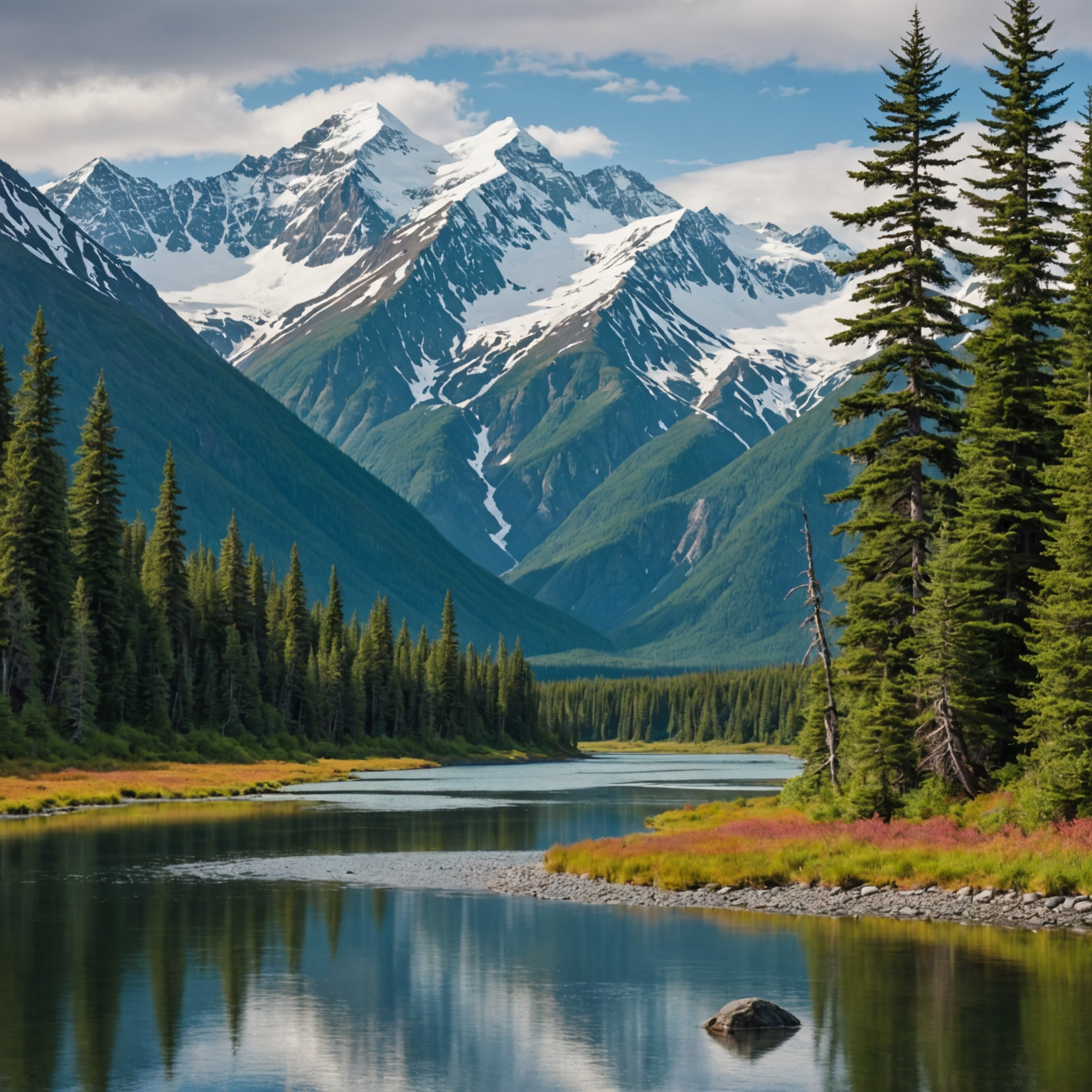
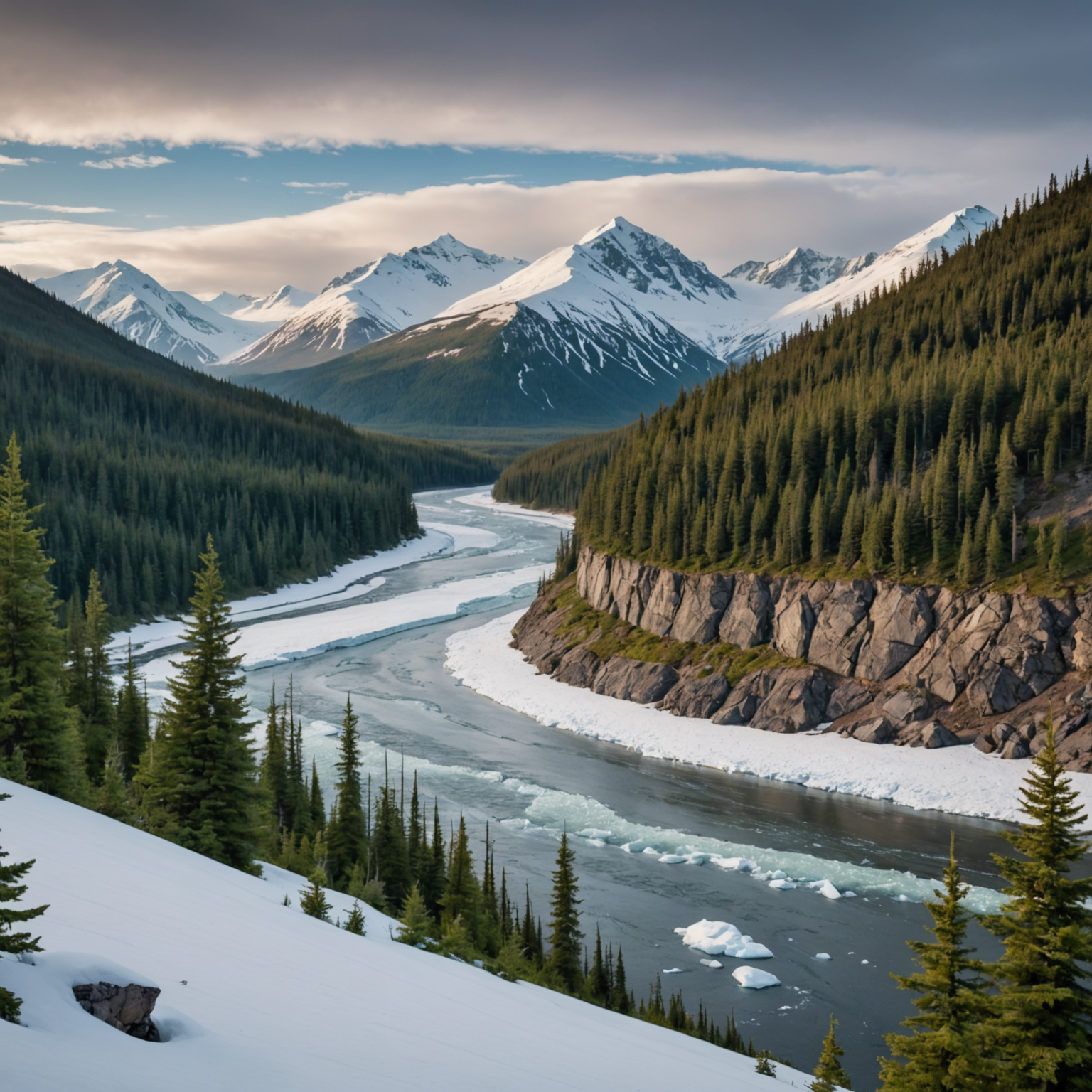
Nestled in the expansive wilderness of Alaska, a backcountry base camp offers the ultimate escape into untouched nature. This adventure hub is your gateway to exploring the state’s majestic glaciers, roaring rivers, and challenging trails. Whether you’re an avid hiker, a thrill-seeking kayaker, or simply someone in search of solitude, setting up camp in the Alaskan backcountry promises an unforgettable experience. In this guide, we delve into what makes a backcountry base camp in Alaska the perfect starting point for your next adventure.
Setting Up Your Backcountry Base Camp
Choosing the Ideal Location
Selecting the right location for your backcountry base camp is crucial. Alaska’s vast landscapes offer numerous options, each with unique features and challenges. Consider factors like proximity to water sources, terrain type, and accessibility to trails or points of interest. For those keen on glacier exploration, areas around Denali National Park or Kenai Fjords National Park provide stunning views and access to some of the most awe-inspiring glaciers.
For a comprehensive understanding of these regions, consult resources like Travel Alaska or Alaska.org, which offer invaluable insights into the best camping areas and logistical advice.
Gear and Preparation
Equipping yourself with the right gear is vital for a successful backcountry adventure. Key items include a durable tent, weather-appropriate clothing, and reliable navigation tools. Alaska’s weather can be unpredictable, so check the National Weather Service before heading out.
Safety is paramount, especially in bear country. Familiarize yourself with bear safety protocols through resources like the Alaska Department of Fish and Game to ensure a safe and enjoyable trip.
Exploring the Wilderness
Hiking Trails and Glacier Tours
The trails around your backcountry base camp can lead to stunning vistas and hidden gems. For instance, the Harding Icefield Trail offers breathtaking views and a challenging hike for seasoned adventurers. For a guided experience, consider an Alaska glacier trip to gain more insights into the region’s unique geology and ecology.
Water Adventures
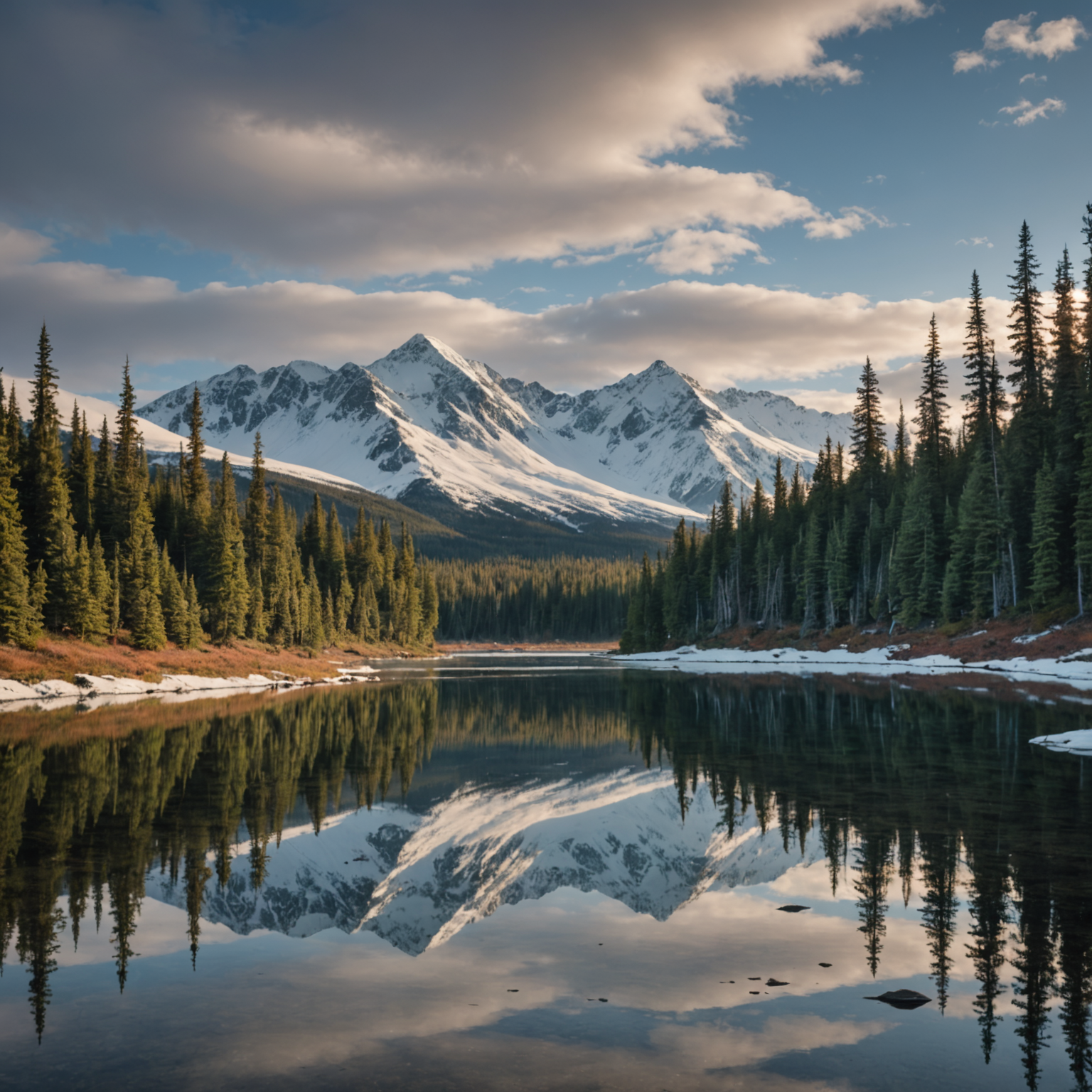
Alaska’s rivers and lakes provide thrilling opportunities for kayaking and fishing. The clear, cold waters teem with salmon and trout, offering both a challenge and a reward for anglers. Before embarking on a fishing trip, ensure you have the necessary permits, which can be obtained through the Alaska Department of Fish and Game.
For those interested in combining water adventures with other activities, consider exploring dog sledding and helicopter tours, which offer a unique perspective of Alaska’s vast landscapes.
Wildlife and Nature Photography
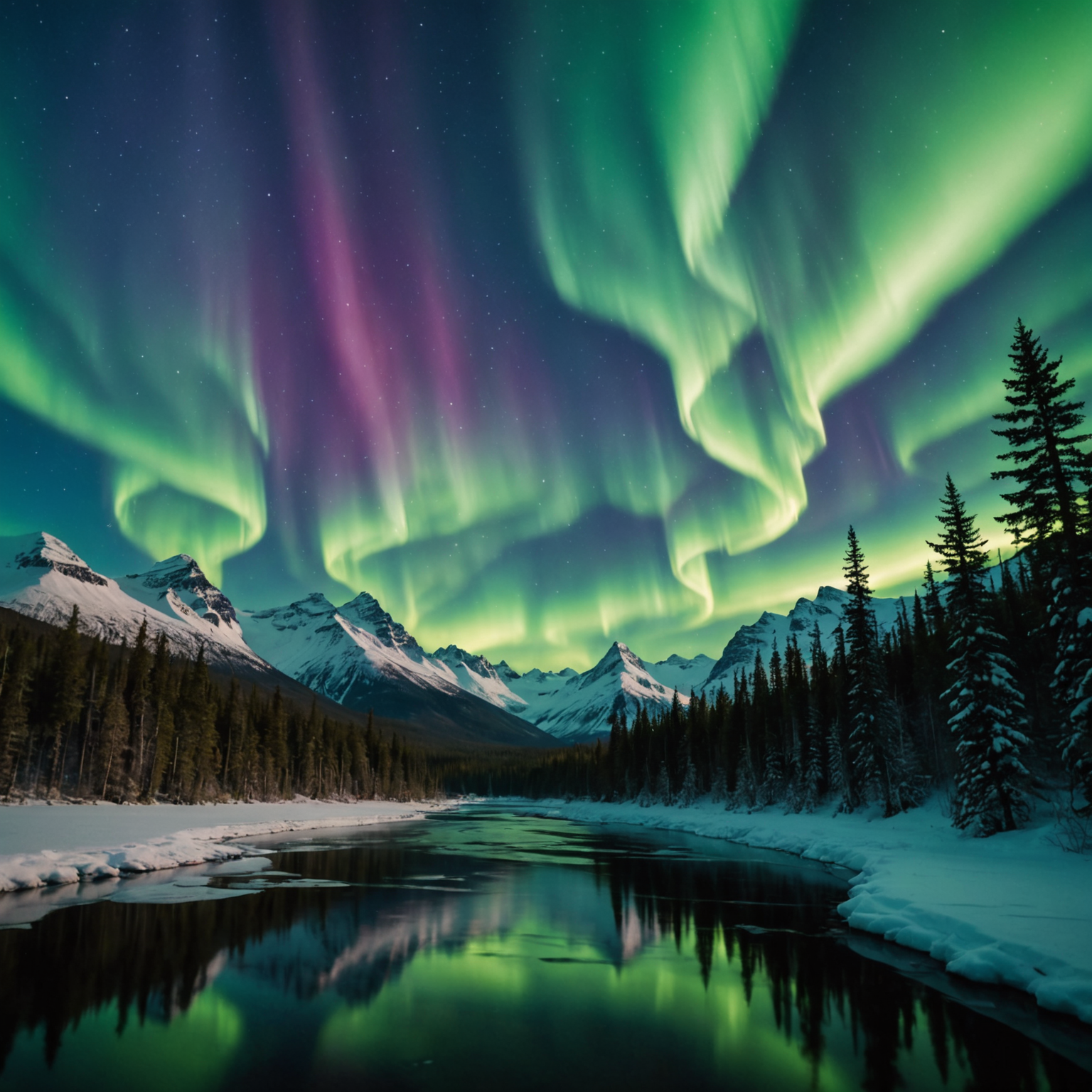
Capturing the beauty of Alaska’s wilderness is a rewarding endeavor. Whether it’s the majestic caribou, the elusive lynx, or the vibrant Northern Lights, photography allows you to bring a piece of Alaska home. For tips on capturing the perfect shot, check out these photography tips for sled dog tours.
Planning Your Visit
Best Time to Go
Timing your trip is crucial to maximize your experience. The best time to travel to Alaska varies based on the activities you wish to pursue. Summer months offer longer days and milder weather, perfect for hiking and fishing. Winter, however, unveils the enchanting Northern Lights, a spectacle best viewed from a remote base camp.
Travel Logistics
Before setting out, ensure you have all necessary permits and reservations. Services like Recreation.gov can help with bookings and permits for national park areas. Always inform someone of your travel plans and expected return, and check the latest weather forecasts to avoid unforeseen weather conditions.
Conclusion
Alaska’s backcountry offers unparalleled opportunities for adventure and exploration. Whether you’re drawn by the call of the wild or the tranquility of untouched landscapes, a backcountry base camp in Alaska is your perfect launchpad. With careful planning and respect for the environment, your Alaskan adventure will be both safe and memorable.
FAQ
What is the best time to visit Alaska for backcountry camping?
The best time to visit depends on your activity preferences. Summer (June to August) is ideal for hiking and fishing, while winter (December to March) offers the best chance to see the Northern Lights.
What gear is essential for a backcountry base camp in Alaska?
Essential gear includes a sturdy tent, weather-appropriate clothing, navigation tools, and bear safety equipment. Always check the Alaska weather forecasts before your trip.
Are there guided tours available for glacier exploration?
Yes, numerous guided tours are available. Consider booking an Alaska glacier trip for a comprehensive experience.
How can I ensure my safety from wildlife?
Familiarize yourself with bear safety practices and carry bear spray. The Alaska Department of Fish and Game offers valuable resources on wildlife safety.
Can I fish in Alaska’s backcountry rivers?
Yes, fishing is a popular activity, but you will need a valid fishing license. Obtain permits from the Alaska Department of Fish and Game.
What are some must-see natural features near a backcountry base camp?
Key features include glaciers, rivers, and trails. National parks like Denali and Kenai Fjords offer stunning landscapes and abundant wildlife.
Are there any restrictions on where I can set up a base camp?
Yes, some areas may have restrictions to protect wildlife or ecosystems. Always check with local authorities or Recreation.gov for guidelines and permits.