Introduction
Newborn brown bears, often referred to as cubs, are among the most adorable yet fascinating creatures in the Alaskan wilderness. These tiny mammals are born during the harsh winter months, relying on their mother’s warmth and milk to grow strong enough for the outside world. As they mature, these cubs face numerous challenges and adventures, making their lives a topic of interest for wildlife enthusiasts and researchers alike. In this blog post, we will delve into the intriguing world of newborn brown bears, exploring their early life, habitat, and the unique behaviors that help them thrive in the wild.
The Birth of a Newborn Brown Bear
Brown bears, including the famous grizzly bears of Alaska, typically give birth during hibernation in winter dens. Cubs are born from January to March, weighing less than a pound at birth. Despite their small size, they grow rapidly, thanks to the rich milk provided by their mothers. During this period, the mother bear remains in a state of semi-hibernation, conserving energy while still tending to her cubs. This time in the den is crucial for the cubs’ development, as they gain weight and strength in preparation for their first spring.
Early Development and Growth
The first few months of a newborn brown bear’s life are critical. Cubs are initially blind, toothless, and covered in a fine layer of fur. As they grow, they develop sharper senses and teeth necessary for their survival. By the time spring arrives, the cubs are ready to venture outside the den for the first time. This transition marks the beginning of a challenging journey, where they learn essential survival skills from their mother, such as foraging for food, recognizing danger, and social interactions with other bears.
Habitat and Environment
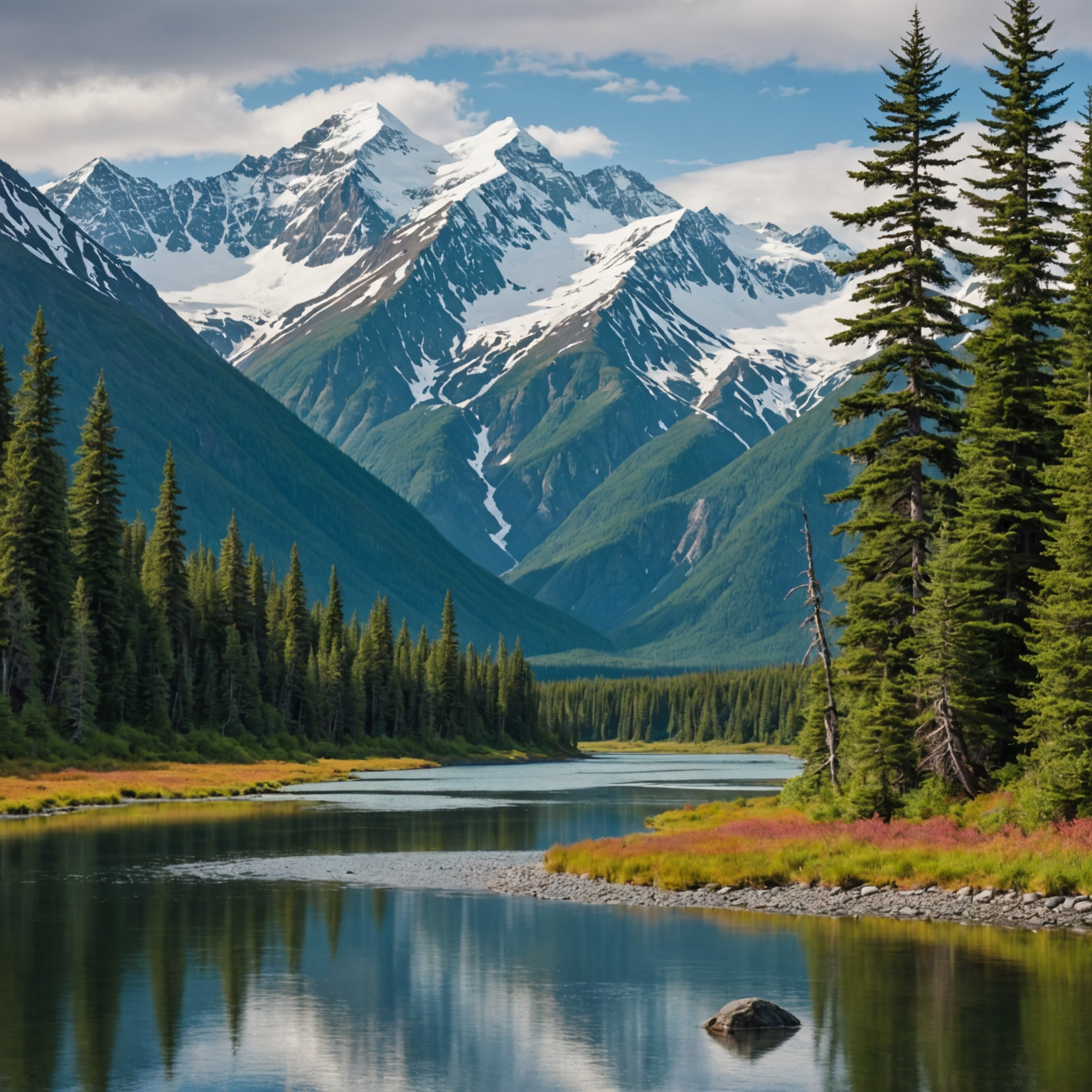
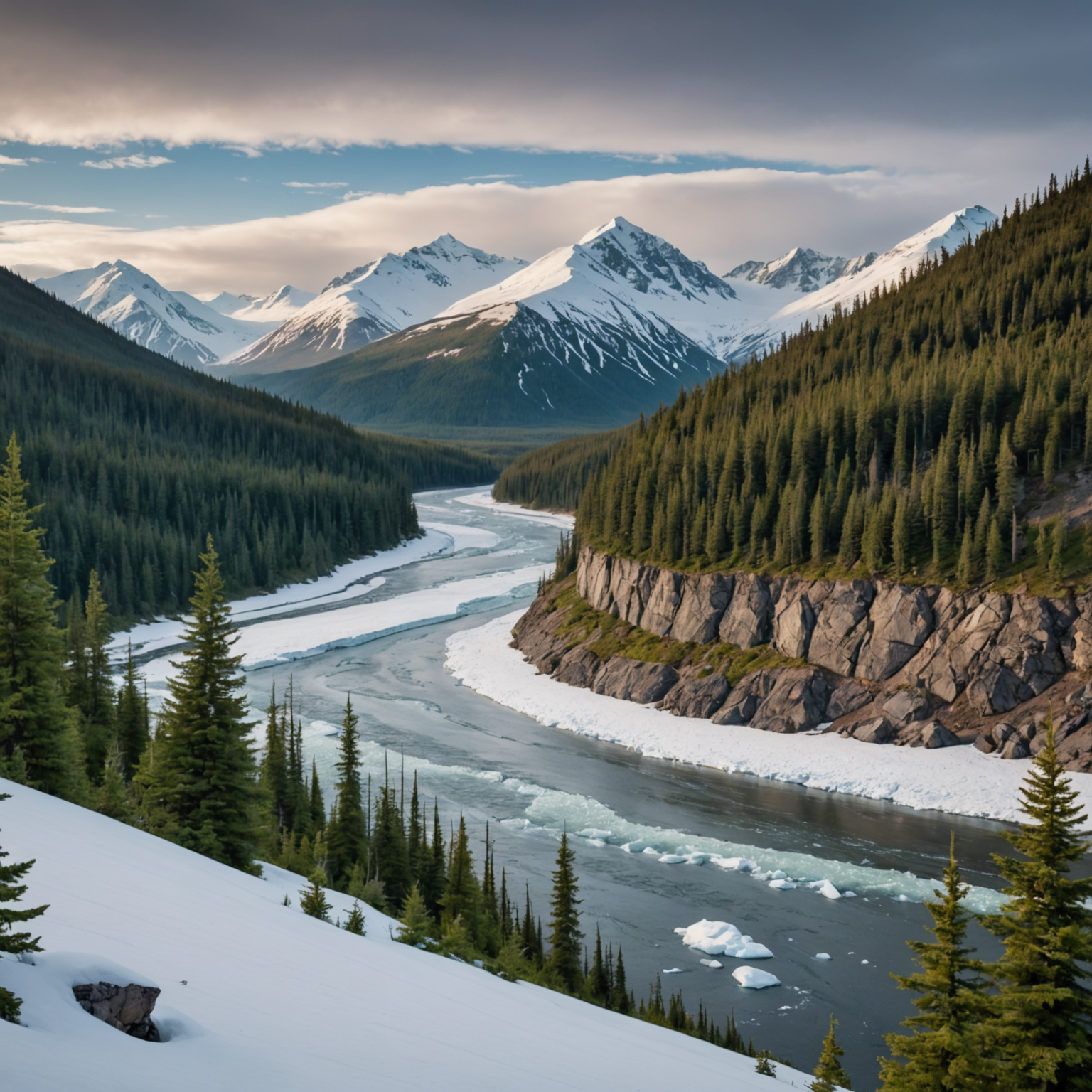
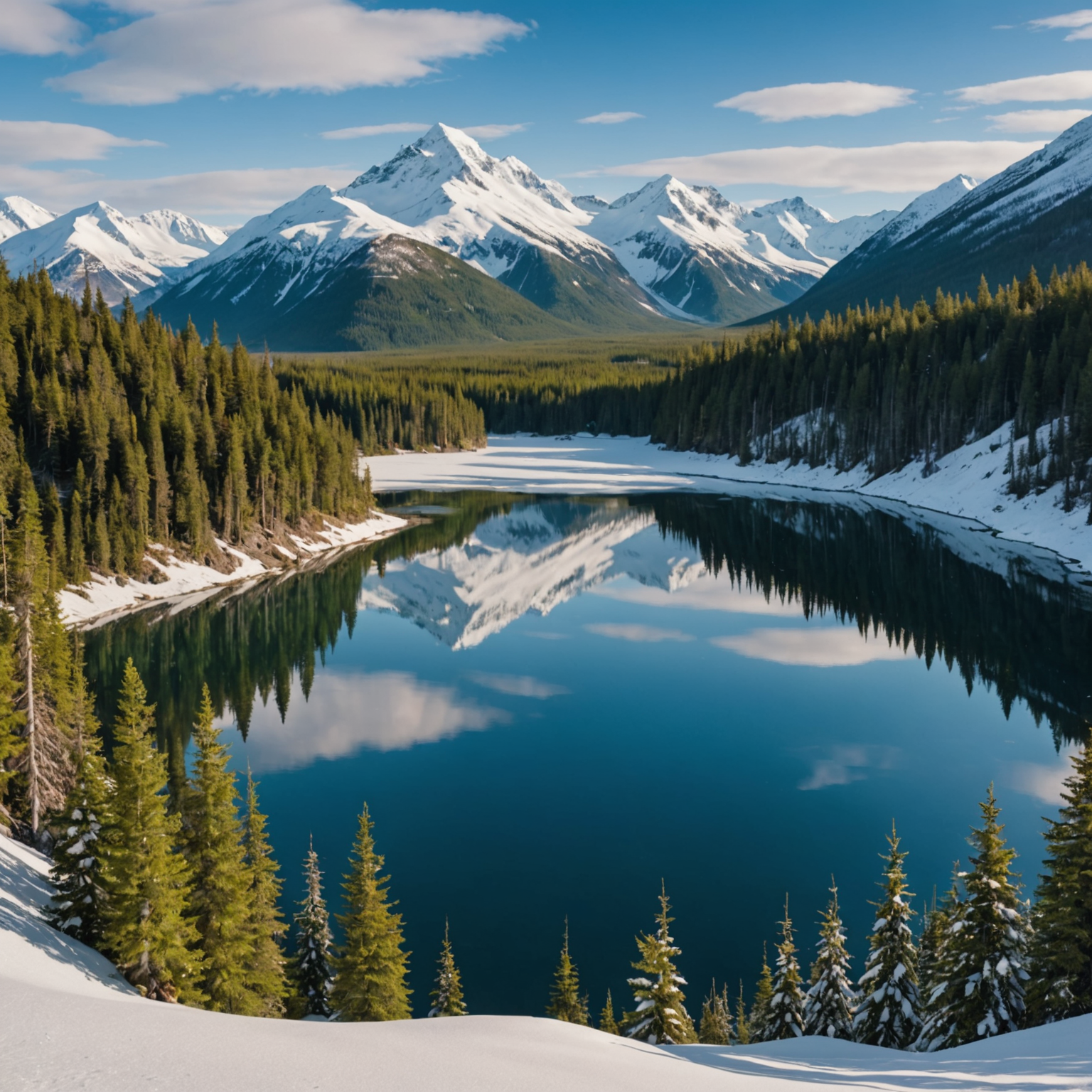
Brown bears are found across various regions in Alaska, from coastal areas to mountainous terrain. The diverse landscape provides ample food sources and shelter, essential for the survival of newborn cubs. Coastal regions, in particular, offer abundant salmon runs, which are a critical food source for bears as they prepare for the next winter. The protection offered by Alaska’s national parks, such as Katmai National Park and Preserve, provides a haven for these animals to thrive without the threat of human interference.
For those interested in witnessing these magnificent creatures in their natural habitat, Alaska offers a range of opportunities. For example, you can explore Alaska’s best glacier tour packages, which often include wildlife viewing experiences. For those planning a trip, the National Park Service provides detailed information on visiting brown bear habitats, ensuring a safe and educational experience for all.
Behavior and Social Structure
Newborn brown bears are highly dependent on their mothers for the first two to three years of their lives. During this period, cubs learn vital skills that will help them survive on their own. Bears are generally solitary animals, but mothers with cubs tend to be more social, forming temporary groups often seen at prime feeding areas. These interactions are crucial for cubs, as they learn how to communicate and establish their place within the bear hierarchy.
One unique aspect of bear behavior is their ability to recognize kin and form associations with related individuals. This social structure helps cubs learn from older, more experienced bears, which is essential for their development. Additionally, the presence of other bears can offer protection from predators and rival males, which are known to pose a threat to young cubs.
Challenges and Threats
Despite their rapid growth, newborn brown bears face numerous challenges in the wild. Predation, food scarcity, and human activities are some of the primary threats to their survival. Human encroachment on bear habitats can lead to habitat loss and increased human-bear conflicts. To mitigate these issues, it’s crucial to follow safety guidelines, such as those provided by the Alaska Department of Fish and Game, when visiting bear habitats.
Climate change also poses a significant threat to brown bears, affecting the availability of food sources and altering their natural habitats. Conservation efforts are vital to ensure the survival of these majestic creatures. Organizations and government agencies, such as the National Park Service, play a critical role in monitoring bear populations and implementing strategies to protect their habitats.
Conclusion
The life of a newborn brown bear is a testament to nature’s resilience and adaptability. From their fragile beginnings in a den to their adventurous journeys across the Alaskan wilderness, these cubs endure countless challenges to grow into the powerful and majestic creatures we admire today. Understanding their early life stages and the threats they face is crucial for ensuring their continued survival in the wild.
For those eager to observe these bears in their natural environment, there are numerous opportunities to explore the Alaskan wilderness. Whether it’s through guided tours or independent adventures, witnessing the life of a brown bear is an unforgettable experience. Plan your visit carefully and respect the natural habitats of these incredible animals to contribute to their conservation.
FAQ
1. When are newborn brown bears typically born?
Newborn brown bears are usually born between January and March during the mother’s hibernation period in winter dens.
2. How much does a newborn brown bear weigh at birth?
At birth, a newborn brown bear typically weighs less than a pound but grows rapidly due to the nutrient-rich milk from the mother.
3. How long do brown bear cubs stay with their mother?
Brown bear cubs typically stay with their mother for two to three years, learning essential survival skills during this time.
4. Where can I see brown bears in Alaska?
Alaska offers numerous opportunities to see brown bears in the wild, especially in national parks like Katmai. For more information, visit Travel Alaska.
5. What are the main threats to newborn brown bears?
The main threats include predation, food scarcity, human activities, and climate change, all of which can affect their survival and habitat.
6. How can I safely observe brown bears in the wild?
To safely observe brown bears, follow guidelines provided by organizations such as the National Park Service and the Alaska Department of Fish and Game, and consider joining guided tours for a safe experience.
7. What is the significance of brown bears in Alaskan culture?
Brown bears are an integral part of Alaska’s ecosystem and cultural heritage, symbolizing the wild and untamed nature of the region.
8. How can I contribute to the conservation of brown bears?
Supporting conservation organizations, volunteering for wildlife programs, and practicing responsible tourism are ways to contribute to brown bear conservation.