Introduction
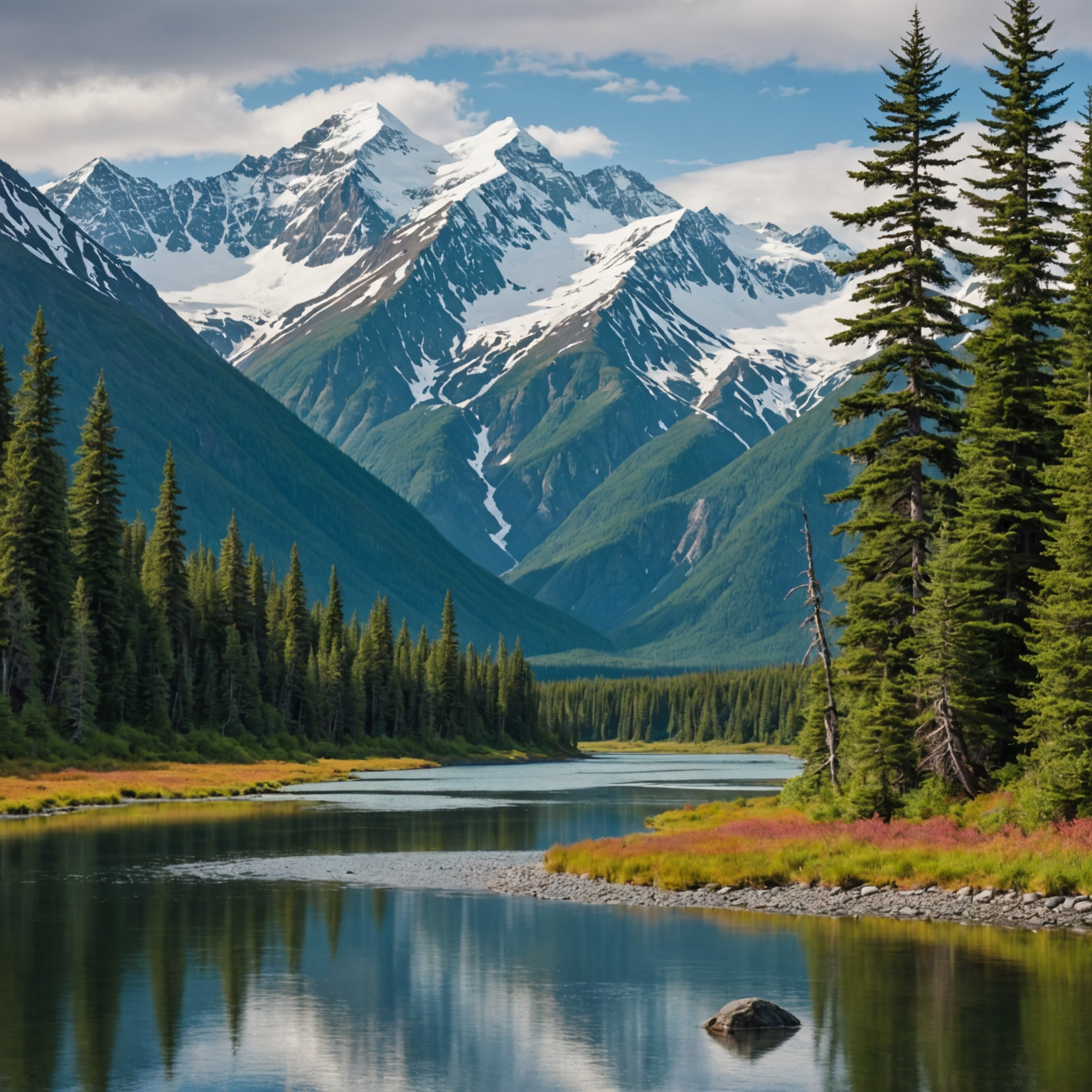
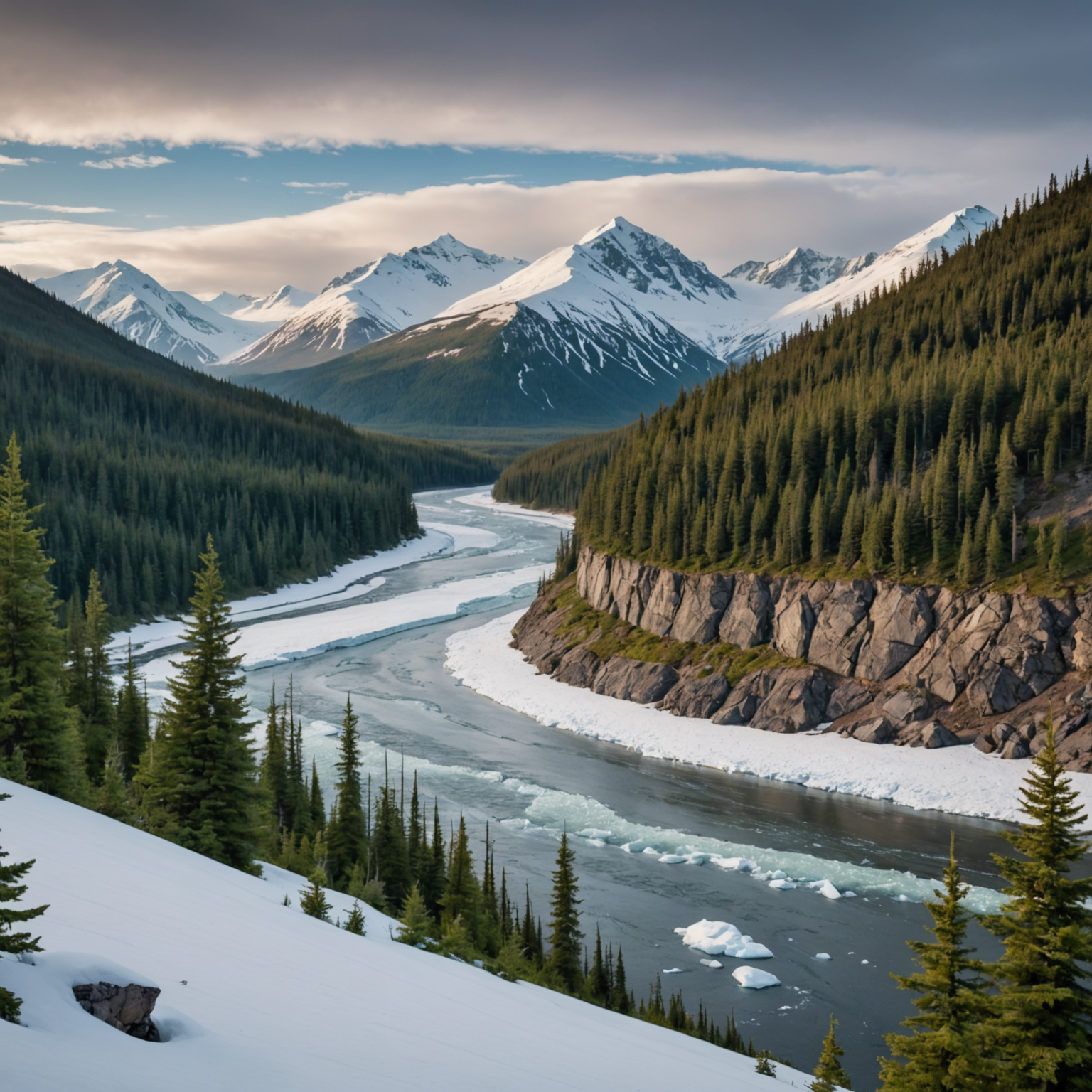
The United States is home to some of the most magnificent and towering peaks in the world. These natural wonders not only provide breathtaking views but also pose challenges for mountaineers and adventurers. From the rugged terrains of Alaska to the serene landscapes of the Rocky Mountains, the highest peaks in the United States are a testament to the country’s diverse geographies and climatic zones. This blog post delves into the details of these towering giants, highlighting their unique features and the allure they hold for travelers and explorers alike.
Denali: The Roof of North America
Denali, formerly known as Mount McKinley, stands proudly in Alaska as the highest peak in the United States and North America. With an elevation of 20,310 feet, Denali’s massive stature is a focal point of Denali National Park. The mountain’s sheer size and snow-capped peaks attract climbers and tourists from all over the globe. The park itself offers a range of activities including wildlife viewing and glacier adventures.
The weather conditions on Denali can be extremely harsh, with temperatures plunging well below zero even in summer. For those planning an expedition, it’s crucial to be well-prepared and informed about the best snowmobile boots for Alaska and other gear essentials.

Mount Whitney: The Tallest in the Contiguous U.S.
Mount Whitney, located in California’s Sierra Nevada range, is the highest point in the contiguous United States, rising to an elevation of 14,505 feet. Part of the Sequoia National Park, this peak is a popular destination for hikers, offering breathtaking views and a challenging climb. The Whitney Trail is the most frequented route, attracting thousands of visitors annually.
The ascent to Mount Whitney is not just physically demanding but also requires careful planning due to the altitude and weather conditions. For those interested in a more leisurely experience, the surrounding areas provide beautiful landscapes and opportunities for camping and wildlife observation.
Mount Elbert: The Giant of the Rockies
Mount Elbert in Colorado is the highest peak in the Rocky Mountains, standing at 14,440 feet. Located in the San Isabel National Forest, it is a favorite among hikers because of its accessibility and relatively gentle slopes. Despite its height, Mount Elbert is considered a non-technical climb, making it an ideal choice for beginners and seasoned hikers alike.
The trail offers stunning views of the surrounding peaks and valleys, creating a picturesque setting for outdoor enthusiasts. Hiking Mount Elbert is best done in late spring to early fall when the snow has melted, and the weather is more predictable.
Mount Rainier: Washington’s Iconic Volcano
Mount Rainier is not only the highest peak in Washington but also an active stratovolcano. Rising to an elevation of 14,411 feet, it dominates the skyline of the Pacific Northwest. The mountain is part of Mount Rainier National Park, which offers a plethora of recreational activities including hiking, climbing, and camping.
The park is renowned for its diverse ecosystems, from lush forests to alpine meadows. However, Mount Rainier is infamous for its unpredictable weather, with climbers often facing sudden storms and whiteouts. Detailed weather forecasts from NOAA are essential for anyone planning to tackle this formidable peak.
Mount Fairweather: A Remote Beauty
Mount Fairweather straddles the border between Alaska and British Columbia, Canada, reaching 15,325 feet. Despite its name, the mountain is notorious for its harsh weather conditions and remote location. It lies within the Glacier Bay National Park, a UNESCO World Heritage site known for its stunning glaciers and pristine wilderness.
Due to its isolation, Mount Fairweather receives fewer visitors, making it a perfect destination for those seeking solitude and adventure in a truly wild setting. The park offers a unique opportunity to experience the raw beauty of Alaska’s landscapes and its rich wildlife.
Conclusion
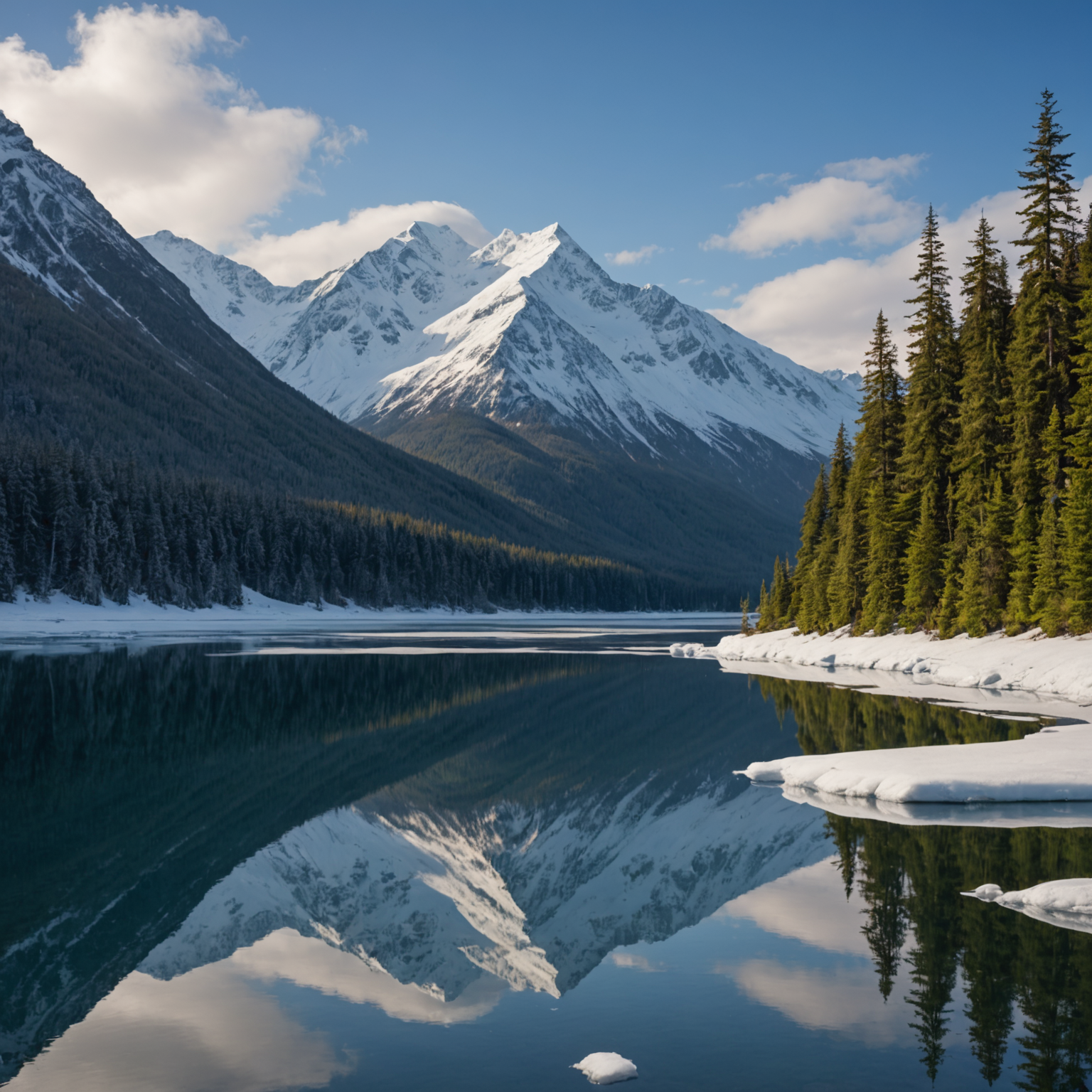
The highest peaks in the United States each offer a unique blend of beauty, challenge, and adventure. Whether you’re an experienced mountaineer or a nature enthusiast, these towering giants provide an opportunity to connect with the awe-inspiring power of nature. From Denali’s commanding presence in Alaska to the serene vistas of Mount Whitney, the United States’ peaks are a testament to the country’s geographical diversity.
As you plan your expeditions, consider the necessary preparations and gear, such as dog sledding options in Alaska or understanding the Aurora Borealis that dance over these majestic landscapes. These mountains are not just physical structures but also gateways to understanding the natural world and our place within it.
FAQ
What is the highest peak in the United States?
Denali, located in Alaska, is the highest peak in the United States, standing at 20,310 feet.
How does Mount Whitney compare to Denali?
Mount Whitney is the highest peak in the contiguous United States at 14,505 feet, while Denali is significantly taller at 20,310 feet and is located in Alaska.
What are the climbing conditions on Mount Rainier?
Mount Rainier has unpredictable weather, with potential for sudden storms. Climbers should check NOAA forecasts and be prepared for challenging conditions.
Can you see the Northern Lights from these peaks?
Yes, the Northern Lights can often be seen from peaks in Alaska like Denali and Mount Fairweather, particularly during the winter months.
What gear is essential for climbing these peaks?
Essential gear includes proper clothing for cold weather, navigation tools, and equipment for snow and ice. For Alaskan peaks, consider snowmobile rentals for easier access.
Are permits required to climb these mountains?
Yes, most of these mountains require permits for climbing. Check with the respective national park services for specific details.
What is the best time to climb Mount Elbert?
The best time to climb Mount Elbert is late spring to early fall when the weather is more stable and the trails are clear of snow.
How should I prepare for the altitude on these peaks?
Acclimatization is key. Spend a few days at a moderate altitude to adjust before attempting to summit higher peaks to avoid altitude sickness.