Introduction
When it comes to the majestic bears of North America, two species dominate the wilderness: the grizzly bear and the black bear. While both are awe-inspiring creatures, they differ significantly in size, habitat, and behavior. Understanding these differences is crucial for anyone planning to explore bear country, particularly in Alaska, where these bears are prevalent. This guide will delve into a detailed comparison of grizzly bear vs black bear size, providing insights into their distinct characteristics and tips on how to safely observe them in the wild.
Grizzly Bear Size and Characteristics
Grizzly bears, scientifically known as Ursus arctos horribilis, are a subspecies of the brown bear. They are renowned for their impressive size and strength. Adult male grizzlies can weigh between 400 and 790 pounds, while females typically weigh between 290 and 400 pounds. They stand about 3.5 to 4 feet tall at the shoulder and can reach up to 7 feet in length when measured from nose to tail.
Grizzlies are easily recognizable by the distinctive hump on their shoulders, which is a muscle mass used for digging and striking. Their fur varies in color from dark brown to lighter shades with silver tips, giving them a “grizzled” appearance.
Grizzly bears are mostly found in the remote wilds of Alaska, along with parts of Canada and the northwestern United States. They prefer open spaces like tundra, alpine meadows, and river valleys where they can find their primary diet of roots, berries, and fish.
Black Bear Size and Characteristics
The black bear, or Ursus americanus, is the most common bear species in North America. Despite their name, black bears come in a variety of colors including black, brown, and even blonde. They are generally smaller than grizzlies, with adult males weighing between 130 and 660 pounds, and females weighing between 90 and 175 pounds. Black bears stand about 2 to 3 feet tall at the shoulder and measure 5 to 6 feet in length.
Unlike grizzlies, black bears lack a shoulder hump and have a more convex facial profile. Their ears are larger and more prominent, and their claws are shorter, which is better suited for climbing trees.
Black bears are highly adaptable and can be found in a range of habitats from dense forests to swamps. This adaptability allows them to coexist with human populations more readily than grizzlies.
Observing Bears in Alaska
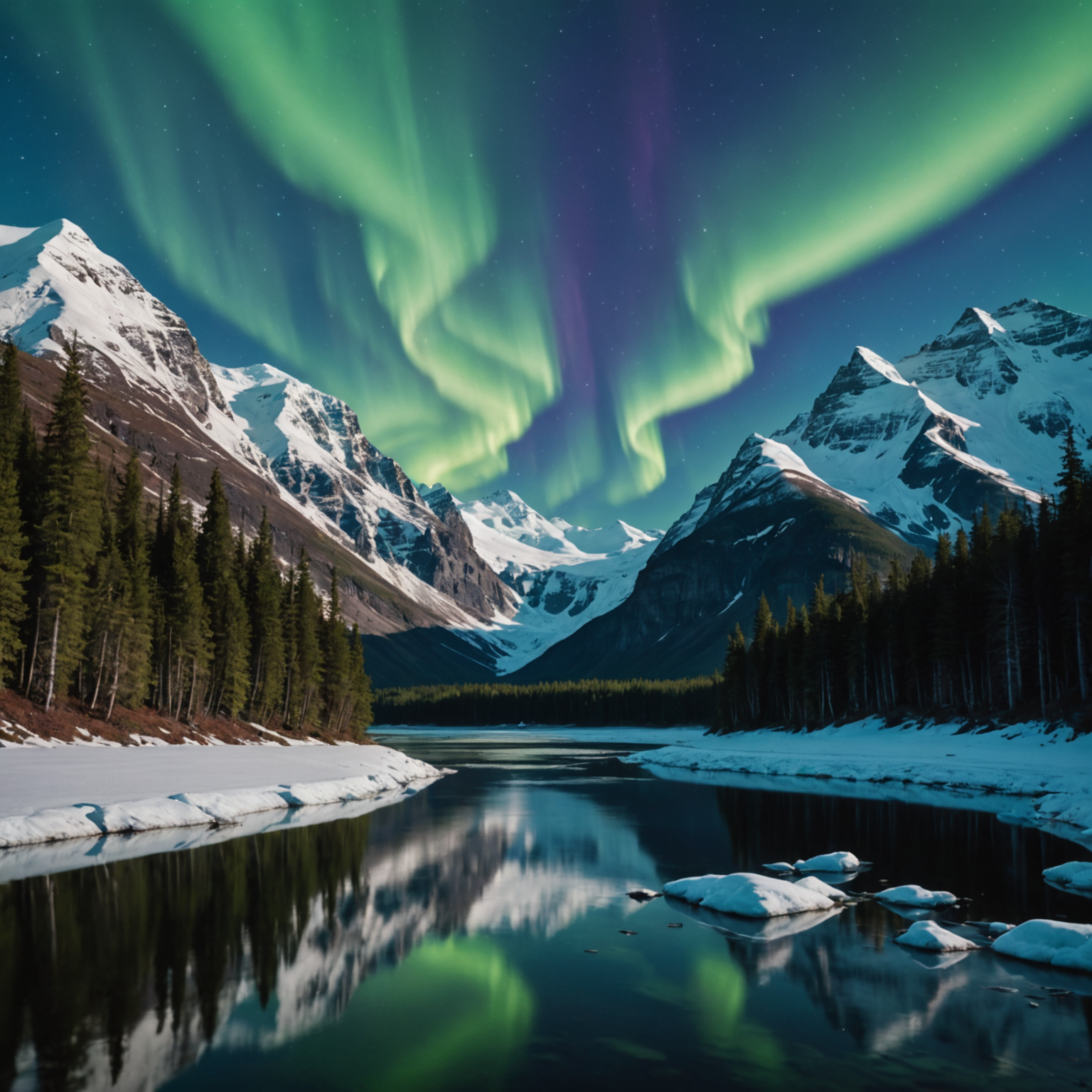
Alaska is home to both grizzly and black bears, making it an excellent destination for bear watching. However, safety should always be a priority. When planning a trip to see these magnificent creatures, consider joining guided tours that offer safe and educational experiences. The Alaska Department of Fish and Game provides valuable resources on how to safely observe wildlife.
One of the best ways to experience the Alaskan wilderness is by combining bear watching with other unique activities. For example, dog sled tours in Anchorage offer a thrilling way to explore the snow-covered landscapes while potentially encountering wildlife.
Grizzly and Black Bear Behavior
Understanding the behavior of grizzlies and black bears can enhance your wildlife viewing experience. Grizzlies are generally more aggressive than black bears, especially when defending their young or food sources. They are solitary creatures, except during mating season or when food is abundant in areas like salmon streams.
Black bears are more timid and are likely to retreat if they sense a threat. They are excellent tree climbers, which they often use as a means of escape. Black bears are also known for their opportunistic feeding habits, often foraging in human-populated areas.
Conclusion
Both grizzly bears and black bears are iconic symbols of North America’s wilderness. Understanding the differences in their size and behavior can enrich your experience when venturing into their habitats. By respecting these creatures and following safety guidelines, you can enjoy the awe-inspiring presence of these bears while ensuring their continued survival in the wild.
For a comprehensive guide on planning an Alaskan adventure, consider visiting Travel Alaska for travel tips and destination information.
FAQ
What is the main difference in size between grizzly bears and black bears?
Grizzly bears are generally larger, with males weighing between 400 and 790 pounds, while black bears range from 130 to 660 pounds.
Where can I see grizzly and black bears in Alaska?
Both species can be observed in various parts of Alaska. Guided tours, such as those offered in Anchorage, provide safe opportunities for bear watching.
What should I do if I encounter a bear in the wild?
Remain calm, avoid direct eye contact, and slowly back away. Do not run. The Alaska Department of Fish and Game offers detailed guidelines on bear safety.
Are grizzly or black bears more dangerous to humans?
While both can be dangerous, grizzlies are typically more aggressive. Black bears are generally more timid and avoid human contact.
What do grizzly bears eat compared to black bears?
Grizzly bears primarily eat roots, berries, and fish, while black bears have a varied diet that includes plants, insects, and small mammals.
Can black bears climb trees?
Yes, black bears are excellent climbers and often use trees as a means of escape from threats.
What time of year is best for bear watching in Alaska?
Spring and summer are ideal for bear watching, as bears are more active and visible during these months.
For more information on planning your Alaskan wildlife adventure, explore custom tours that cater to your interests and ensure a memorable experience.