Introduction
The Northern Lights, or Aurora Borealis, is a celestial phenomenon that has fascinated humans for centuries. Alaska, with its vast open skies and minimal light pollution, is one of the best places in the world to capture stunning northern lights pictures. In this guide, we will explore top locations in Alaska for photographing the Northern Lights, offer tips on how to capture your own mesmerizing aurora photos, and provide essential information on planning your trip.
The Best Locations for Northern Lights Photography in Alaska
Alaska offers numerous vantage points for capturing breathtaking northern lights Alaska pictures. Here are some of the best locations:
Fairbanks
Fairbanks is often considered the gateway to the Arctic and is renowned for its consistent aurora sightings. The city is located under the “aurora oval,” a ring-shaped zone where auroras are most frequently observed. For optimal viewing, consider visiting Chena Lake Recreation Area or the University of Alaska Fairbanks’ Geophysical Institute, which provides real-time aurora forecasts.
Denali National Park
Denali National Park is an exceptional location for photographing the Northern Lights due to its vast wilderness and absence of light pollution. While in the area, you might also explore the park’s other attractions and activities listed on Discover Denali.
Anchorage
Anchorage, while a bustling city, still offers opportunities for aurora photography. You can drive a short distance to spots like Eklutna Lake or Glen Alps for a more serene setting.
Photography Tips for Capturing Northern Lights
Equipment Essentials
To capture the best northern lights Alaska pictures, you will need:
- Camera: A DSLR or mirrorless camera with manual settings is ideal.
- Lens: A wide-angle lens with a fast aperture (f/2.8 or lower) will let in more light.
- Tripod: A sturdy tripod is essential for long exposure shots.
- Remote Shutter Release: This minimizes camera shake during exposure.
Camera Settings
- ISO: Start with ISO 1600 and adjust as needed.
- Aperture: Use the widest aperture available on your lens.
- Shutter Speed: Begin with a 15-second exposure and adjust based on the aurora’s activity.
- Focus: Manually focus your lens to infinity. Use live view to fine-tune focus on distant stars.
Composition Tips
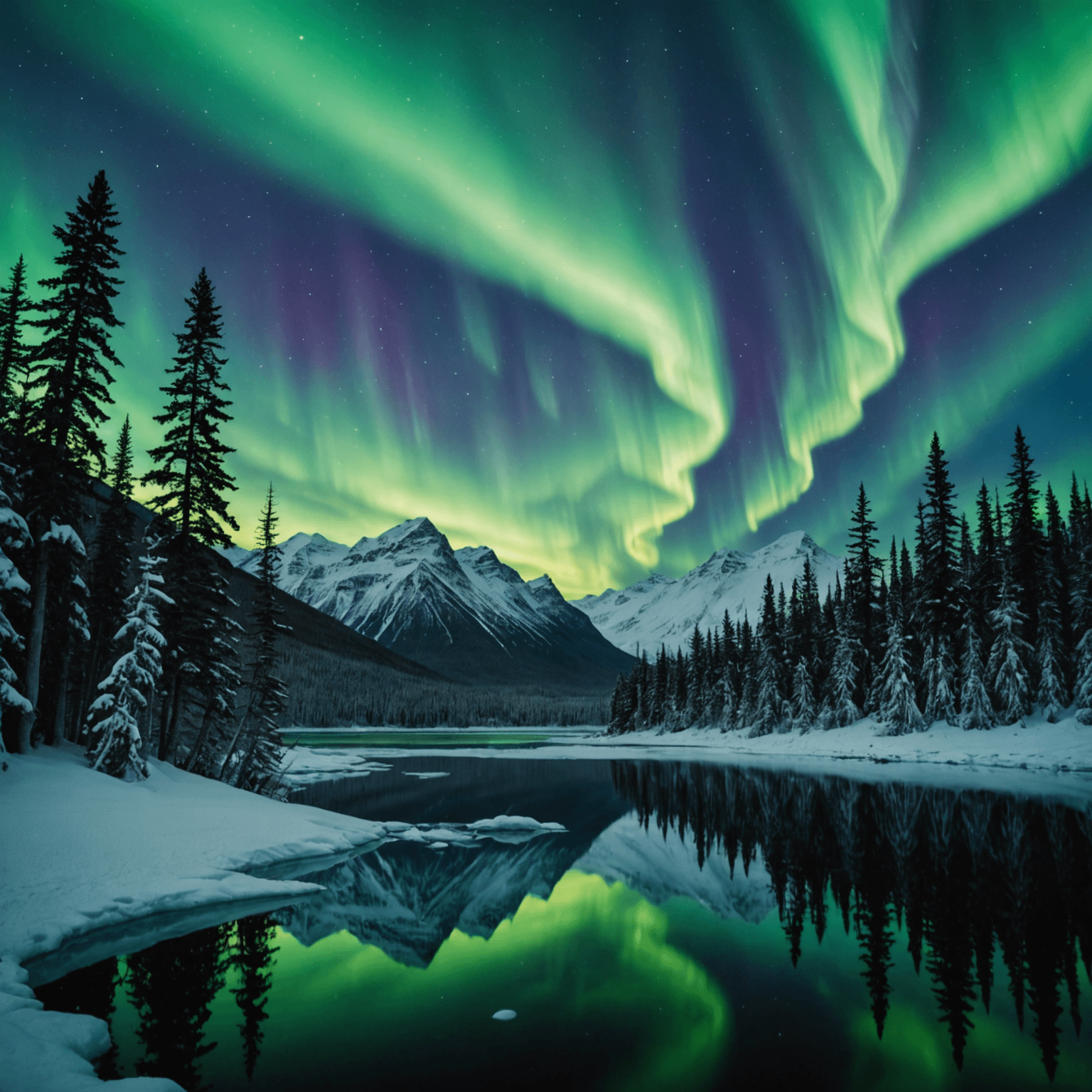
- Foreground Interest: Include elements like trees, mountains, or water to add depth to your photos.
- Rule of Thirds: Position the horizon off-center to create a more balanced image.
- Leading Lines: Use natural lines in the landscape to guide the viewer’s eye towards the aurora.
When to See the Northern Lights in Alaska
The best time to see the Northern Lights in Alaska is between late August and early April, with peak activity during the equinoxes in September and March. Check the NOAA’s Aurora Forecast for the most accurate predictions. Remember, clear skies are crucial, so keep an eye on the National Weather Service for up-to-date weather conditions.
Planning Your Northern Lights Adventure
When planning your trip, consider booking a guided tour to enhance your experience. Companies like Snowhook Adventures offer comprehensive tours that combine aurora viewing with other Alaskan activities like dog sledding and snowmobiling. These tours often include expert guides and transportation to prime viewing spots, ensuring a memorable adventure.
Conclusion
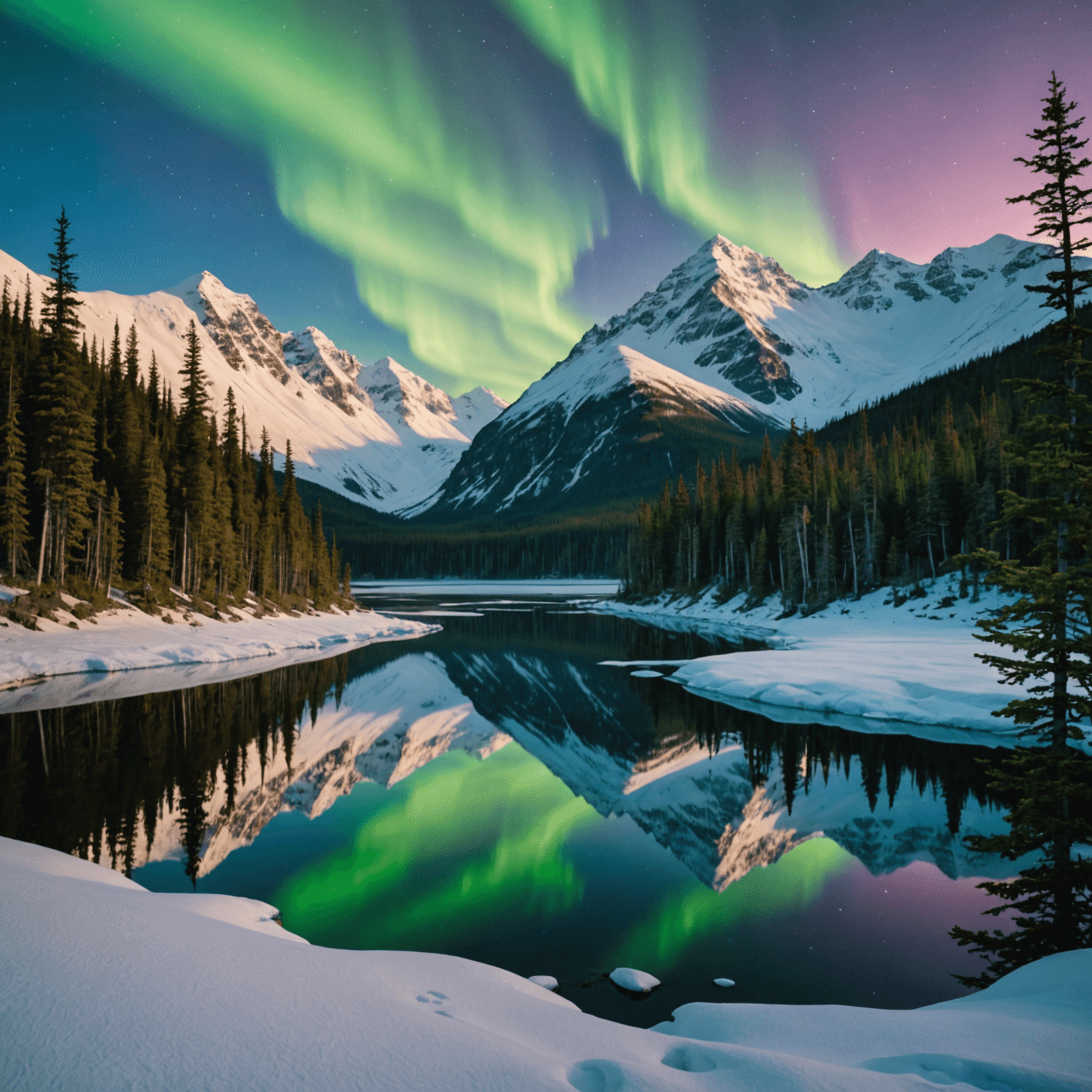
Capturing the Northern Lights in Alaska is an unforgettable experience for any photographer. By choosing the right location, preparing your equipment, and timing your visit, you can create stunning northern lights Alaska pictures that will be cherished for a lifetime. Whether you choose to explore on your own or join a guided tour, Alaska’s winter wonderlands await.
FAQ
1. What is the best time of year to photograph the Northern Lights in Alaska?
The best time to capture the Northern Lights is from late August to early April, with peak viewing during the equinoxes in September and March.
2. Can I see the Northern Lights from Anchorage?
Yes, you can see the Northern Lights from Anchorage, though it may require driving to darker areas nearby, such as Eklutna Lake or Glen Alps.
3. What camera settings should I use for Northern Lights photography?
Start with an ISO of 1600, a wide aperture like f/2.8, and a shutter speed of 15 seconds. Adjust settings based on aurora activity and ambient light.
4. Do I need a special camera to photograph the Northern Lights?
While a DSLR or mirrorless camera with manual settings is ideal, some advanced compact cameras may also work. A tripod and remote shutter release are essential accessories.
5. Are there any guided tours for seeing the Northern Lights in Alaska?
Yes, companies like Snowhook Adventures offer guided tours that include aurora viewing and other Alaskan activities.
6. How do I check the aurora forecast?
You can check the aurora forecast on the NOAA’s Aurora Forecast or the University of Alaska Fairbanks’ Geophysical Institute.
7. What should I wear when photographing the Northern Lights?
Dress in layers to stay warm, including a base layer, insulating layer, and waterproof outer layer. Don’t forget hats, gloves, and warm boots.
8. Is it possible to see the Northern Lights every night in Alaska?
While Alaska offers frequent aurora activity, clear skies and solar activity influence visibility. Checking forecasts and being patient increases your chances of witnessing this natural wonder.