Introduction
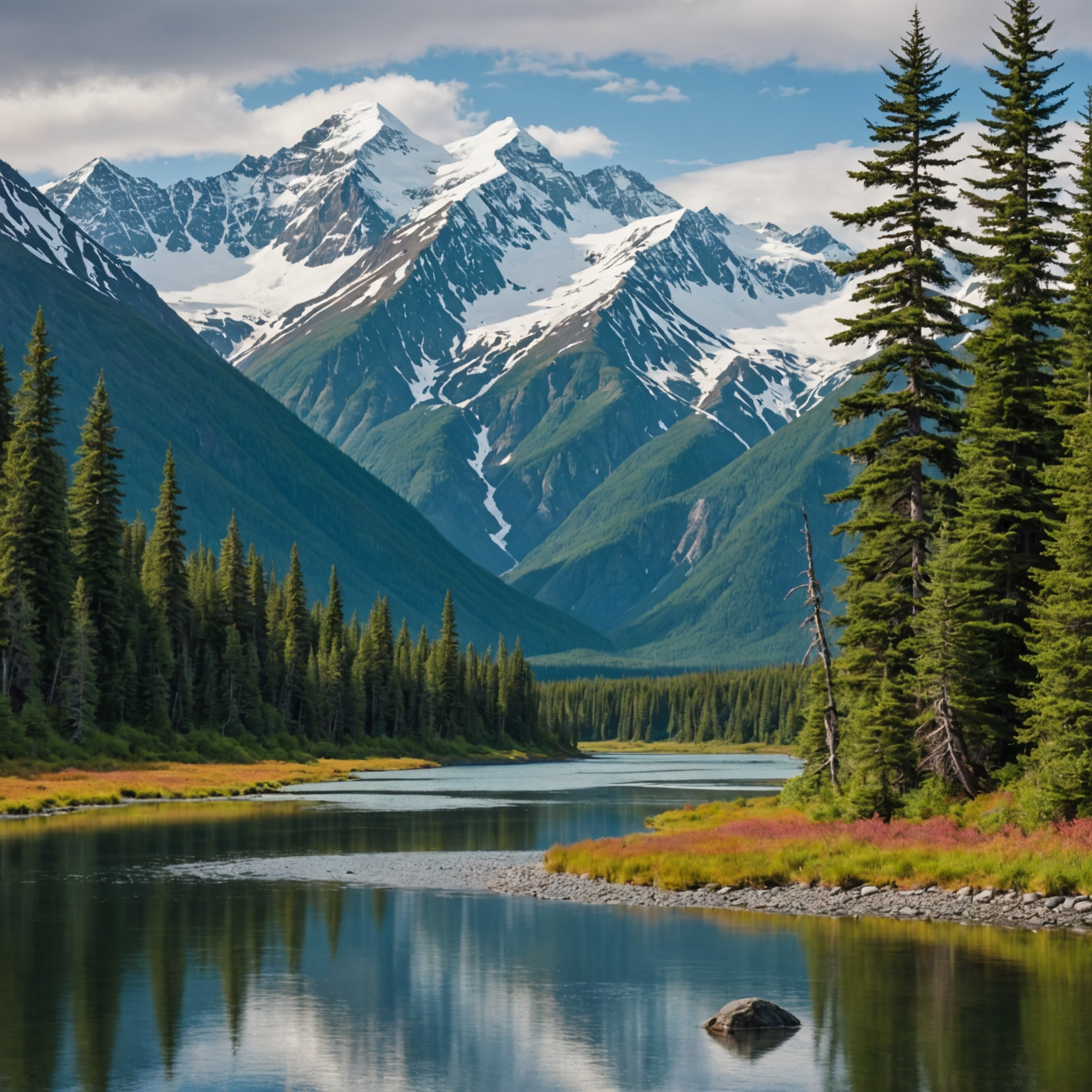
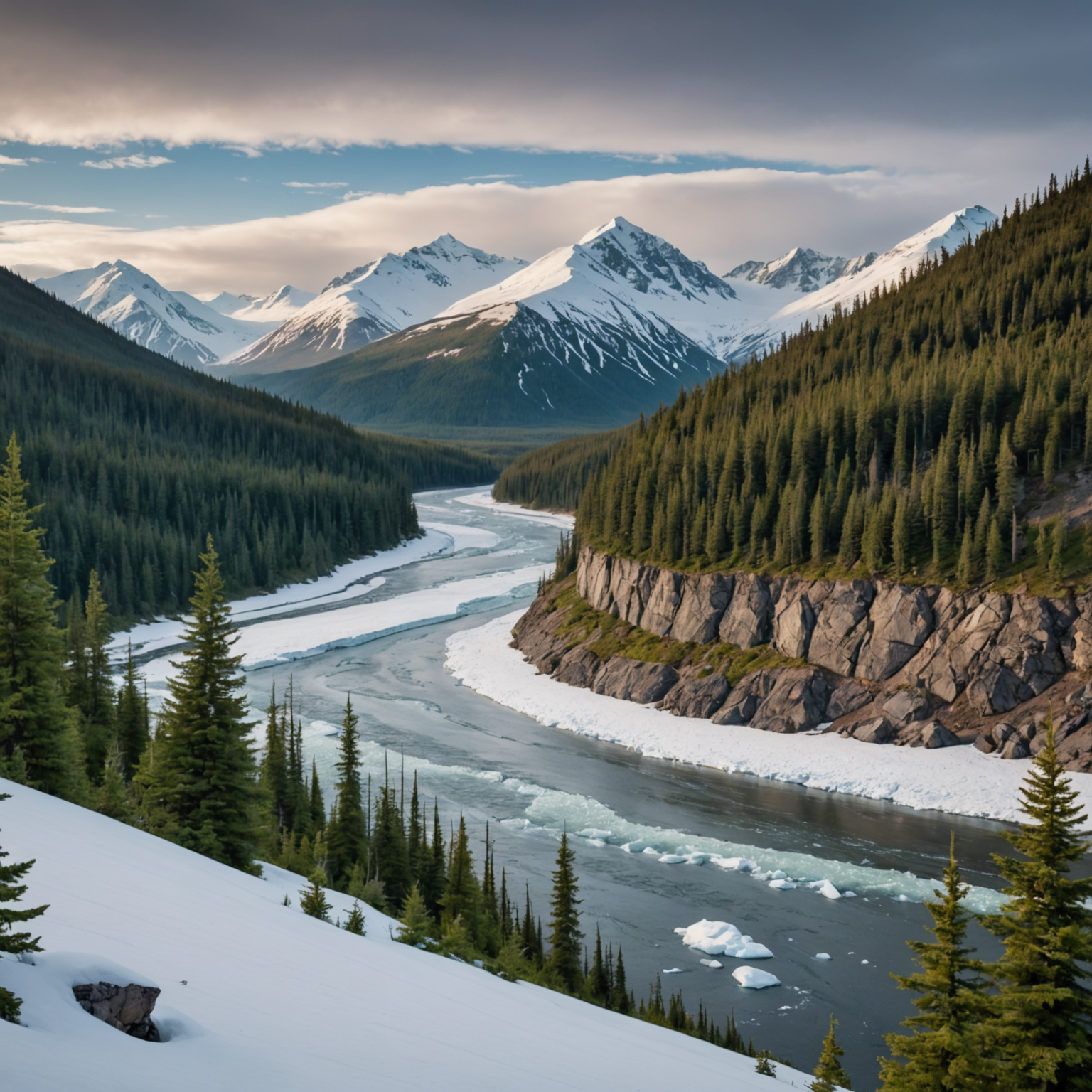
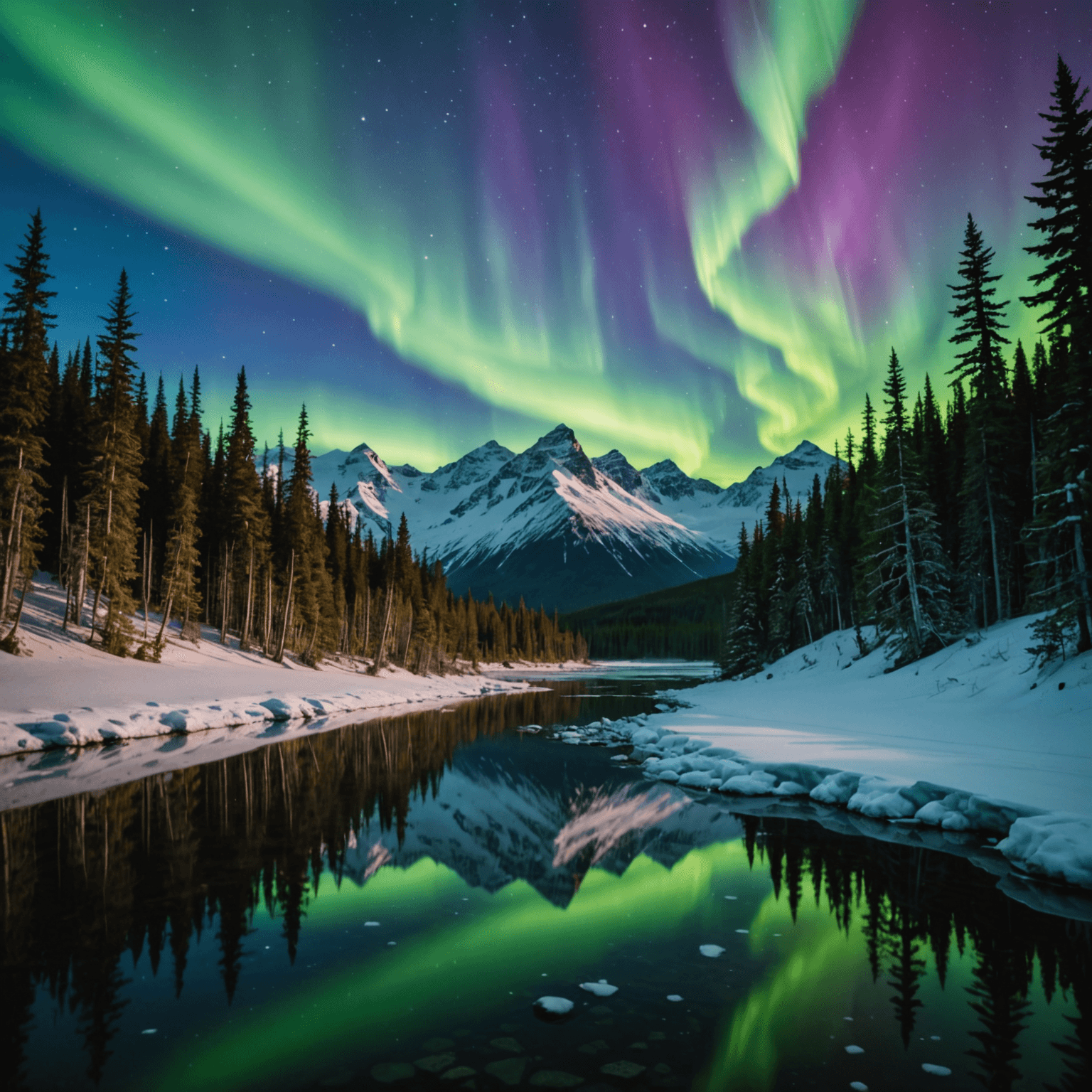
Alaska is one of the most breathtaking places on Earth to witness the Northern Lights, also known as the Aurora Borealis. As we look ahead to 2025, enthusiasts and travelers are keen to plan their trips to experience this natural wonder. This guide will provide you with a comprehensive forecast for the Northern Lights in Alaska in 2025, peak viewing months, and essential planning tips to ensure you have the best chance of witnessing the strongest aurora displays.
Understanding the Northern Lights
The Northern Lights are a natural light display predominantly seen in high-latitude regions, caused by the collision of solar particles with the Earth’s atmosphere. The intensity and frequency of these light shows are influenced by the solar cycle, which peaks approximately every 11 years. As we approach 2025, understanding these cycles will help you plan your trip for the best possible viewing experience.
The Science Behind the Aurora
The auroras occur when charged particles emitted by the sun interact with the Earth’s magnetic field. This interaction causes the sky to light up in vibrant colors of green, pink, purple, and sometimes even red or blue. The University of Alaska Fairbanks’ Geophysical Institute provides regular updates on auroral activity, making it an excellent resource for travelers.
Forecast for Northern Lights in Alaska 2025
In 2025, we will be nearing the peak of Solar Cycle 25, which began in 2019. The auroral activity is expected to be robust, offering excellent opportunities for viewing the Northern Lights. For real-time updates, the Space Weather Prediction Center and Alaska’s Weather Service offer valuable insights into forecasted auroral activity.
Best Time to View
The best time to view the Northern Lights in Alaska is during the darker months from late September to early April. The period between December and March is particularly promising due to the long, dark nights. During these months, the chances of clear skies are higher, increasing the likelihood of witnessing the aurora.
Key Locations in Alaska
Alaska offers several prime locations for aurora viewing. Fairbanks, often called the “Aurora Capital,” is one of the best places to see the Northern Lights due to its position directly under the auroral oval. Additionally, the areas around Denali National Park, located in the heart of Alaska, provide excellent viewing opportunities away from city lights. The Denali Visitor Center offers information and resources for those planning a visit.
Planning Your Trip
When planning your trip to see the Northern Lights in Alaska, consider the following tips to maximize your experience:
Accommodations and Tours
To enhance your aurora viewing experience, consider booking a guided tour. Companies like Snowhook Adventures offer curated Northern Lights adventures, which include transportation to prime viewing locations and expert guidance. Staying in accommodations with a Northern Lights wake-up call service can also be beneficial.
Safety and Preparedness
Safety is paramount when venturing into the Alaskan wilderness. Familiarize yourself with local wildlife, such as bears, and adhere to guidelines provided by the Alaska Department of Fish and Game. Weather conditions can change rapidly, so preparedness is key. You can check Alaska’s road conditions and stay updated on weather alerts.
Clothing and Gear
Alaska’s winter temperatures can be extreme. Dressing in layers, with a focus on thermal and windproof clothing, is essential. Be sure to pack a high-quality camera with a tripod to capture the mesmerizing displays of the Northern Lights.
Conclusion
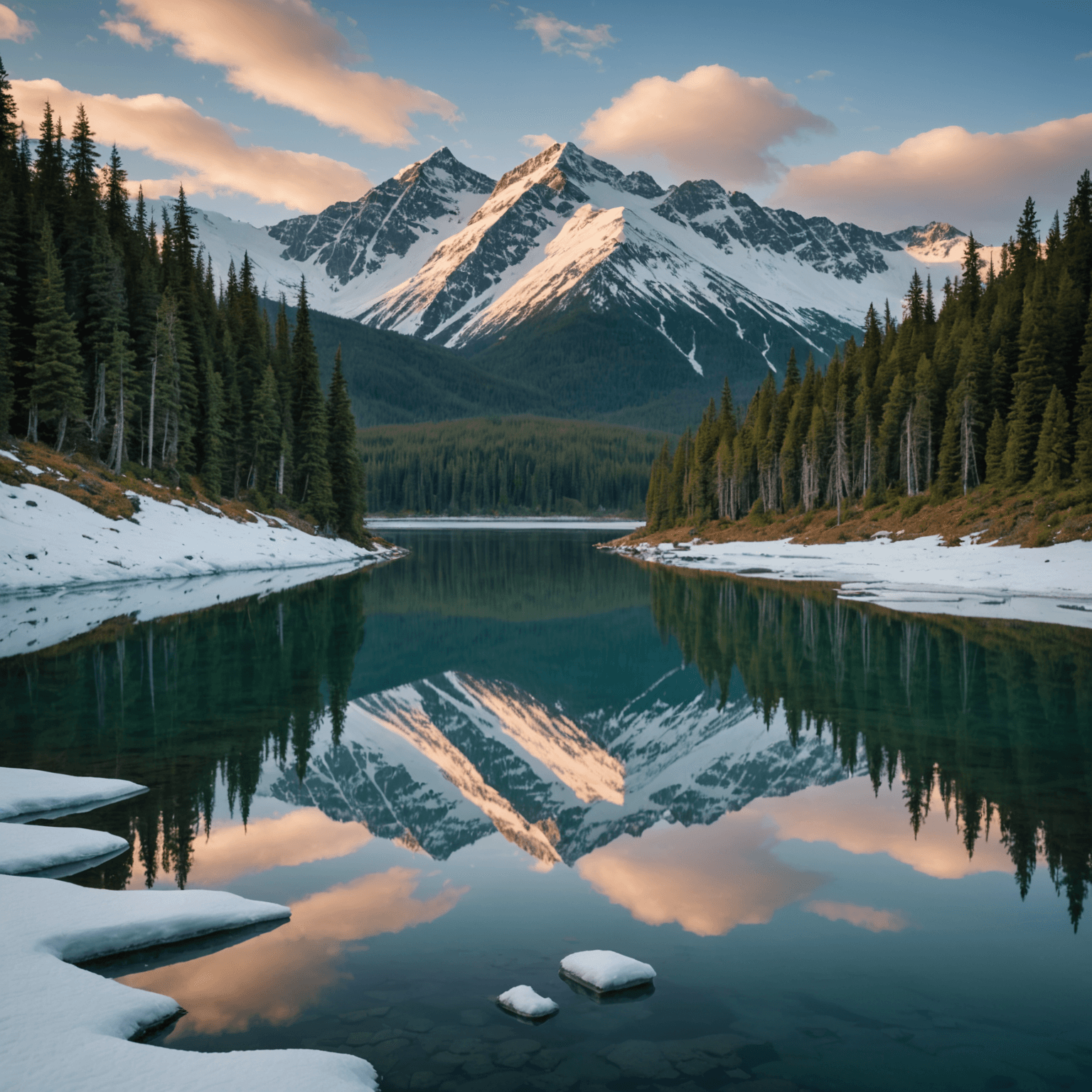
Witnessing the Northern Lights in Alaska in 2025 promises to be an unforgettable experience, with solar activity reaching a peak. By understanding the aurora forecast, choosing the right time and place, and preparing adequately, you can enhance your chances of seeing this spectacular natural phenomenon. Whether you’re a seasoned aurora chaser or a first-time traveler, planning your trip with these insights will ensure a magical Alaskan adventure.
FAQ
1. What is the best time to see the Northern Lights in Alaska in 2025?
The best time is from late September to early April, with December to March offering the darkest nights for optimal viewing.
2. Where in Alaska can I see the Northern Lights?
Fairbanks and areas around Denali National Park are among the top locations for aurora viewing due to their proximity to the auroral oval and minimal light pollution.
3. How can I stay updated on aurora forecasts?
You can follow updates from the Space Weather Prediction Center and the University of Alaska Fairbanks’ Geophysical Institute.
4. Are there tours available for viewing the Northern Lights?
Yes, companies like Snowhook Adventures offer guided tours specifically for Northern Lights viewing.
5. What should I wear when viewing the Northern Lights in Alaska?
Dress in layers with thermal and windproof clothing, and ensure you have a warm hat, gloves, and insulated boots.
6. Can I see the Northern Lights in Anchorage?
While it is possible to see the Northern Lights in Anchorage, the chances are better further north in locations like Fairbanks.
7. What equipment do I need to photograph the Northern Lights?
A high-quality camera capable of long exposure, a sturdy tripod, and wide-angle lenses are ideal for capturing the aurora.
8. How do I prepare for weather changes in Alaska?
Stay informed through resources like Alaska’s Weather Service and 511 Alaska for road conditions and weather alerts.