Introduction
Dog sledding is a thrilling and culturally rich activity with roots deeply embedded in the history of the Arctic and sub-Arctic regions. If you’re gearing up for such an adventure, understanding what makes a good sled for a dog to pull is essential. A well-built sled ensures not only the safety of the dogs but also enhances the overall sledding experience. In this comprehensive guide, we’ll delve into the key elements of constructing an efficient dog sled, from selecting materials to optimizing design for the best sledding adventure. Additionally, we’ll explore where to go dog sledding and what you need to consider before embarking on this exhilarating journey.
Choosing the Right Materials
When building a sled for a dog to pull, the choice of materials is crucial. Traditionally, sleds were constructed from wood, offering a natural flexibility and durability ideal for the cold environment. Today, modern sleds often incorporate materials like aluminum and high-density plastics, which provide a significant reduction in weight and improved maneuverability.
Wooden Sleds
Wooden sleds remain popular for their classic appeal and resilience. Hardwoods like ash or birch are often used, as they provide the necessary strength and flexibility. A wooden sled can absorb shocks from rough terrains, offering a smoother ride for both the musher and the dogs.
Aluminum and Plastic Sleds
For those seeking lightweight options, aluminum frames paired with plastic runners are an excellent choice. These sleds are easier to transport and require less effort for dogs to pull, which is beneficial in competitive or long-distance sledding. However, they may lack the same level of shock absorption as their wooden counterparts.

Sled Design and Construction
The Frame
The sled’s frame is the backbone of the entire structure. A well-designed frame should distribute weight evenly and withstand the stresses of various terrains. Whether using wood or aluminum, ensuring that the frame is rigid yet slightly flexible is key to maintaining control and stability during runs.
Runners
Runners are arguably the most critical component of a sled. They are the contact points with the snow and must be smooth and durable. For optimal performance, runners should be coated with a high-quality plastic or Teflon to reduce friction and increase speed.
Brakes and Steering
Proper braking and steering mechanisms are vital for safety. A reliable brake, often a metal claw or drag mat, allows the musher to control speed effectively. Steering is typically accomplished using a handlebar connected to the runners, permitting subtle adjustments during the ride.
Preparing for the Adventure
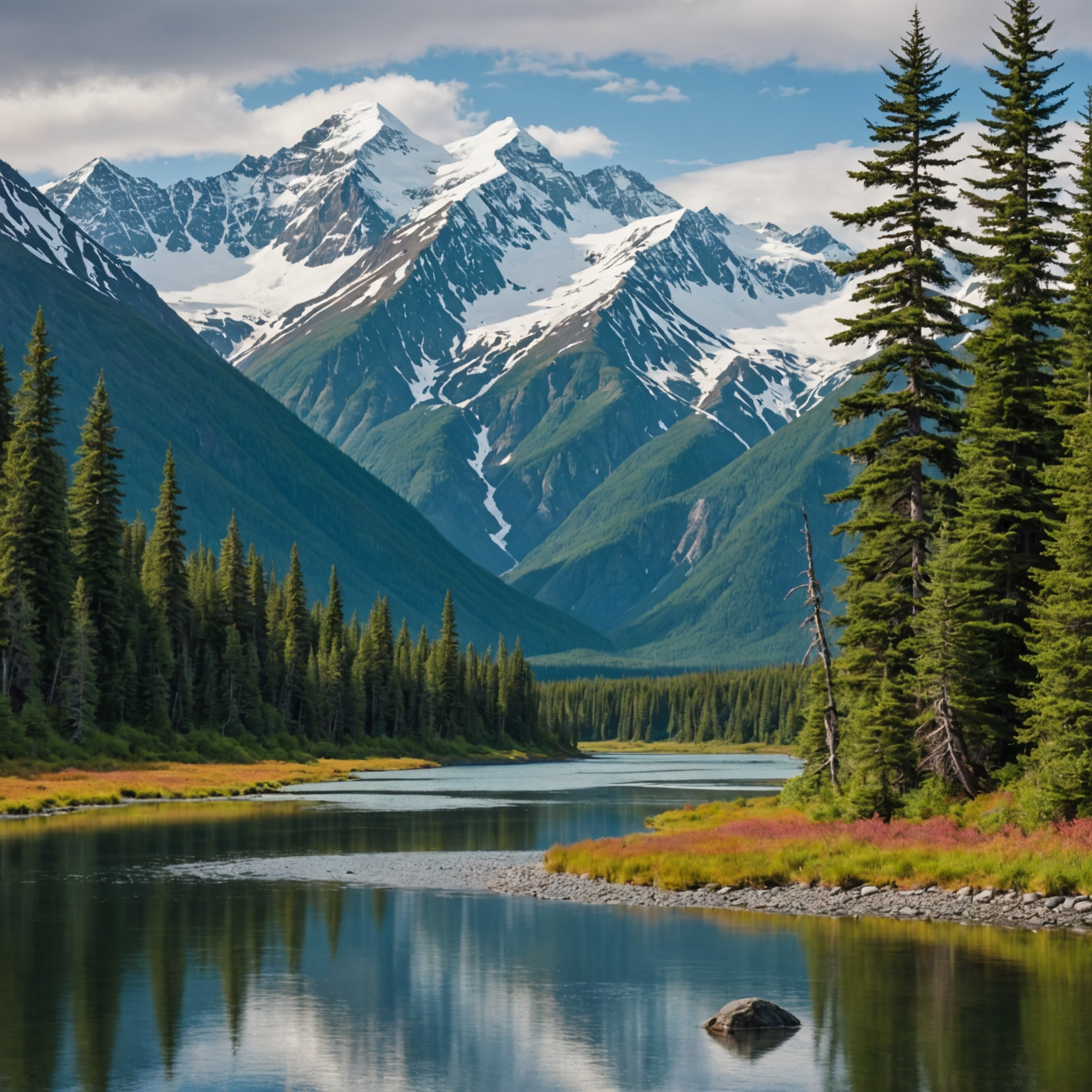
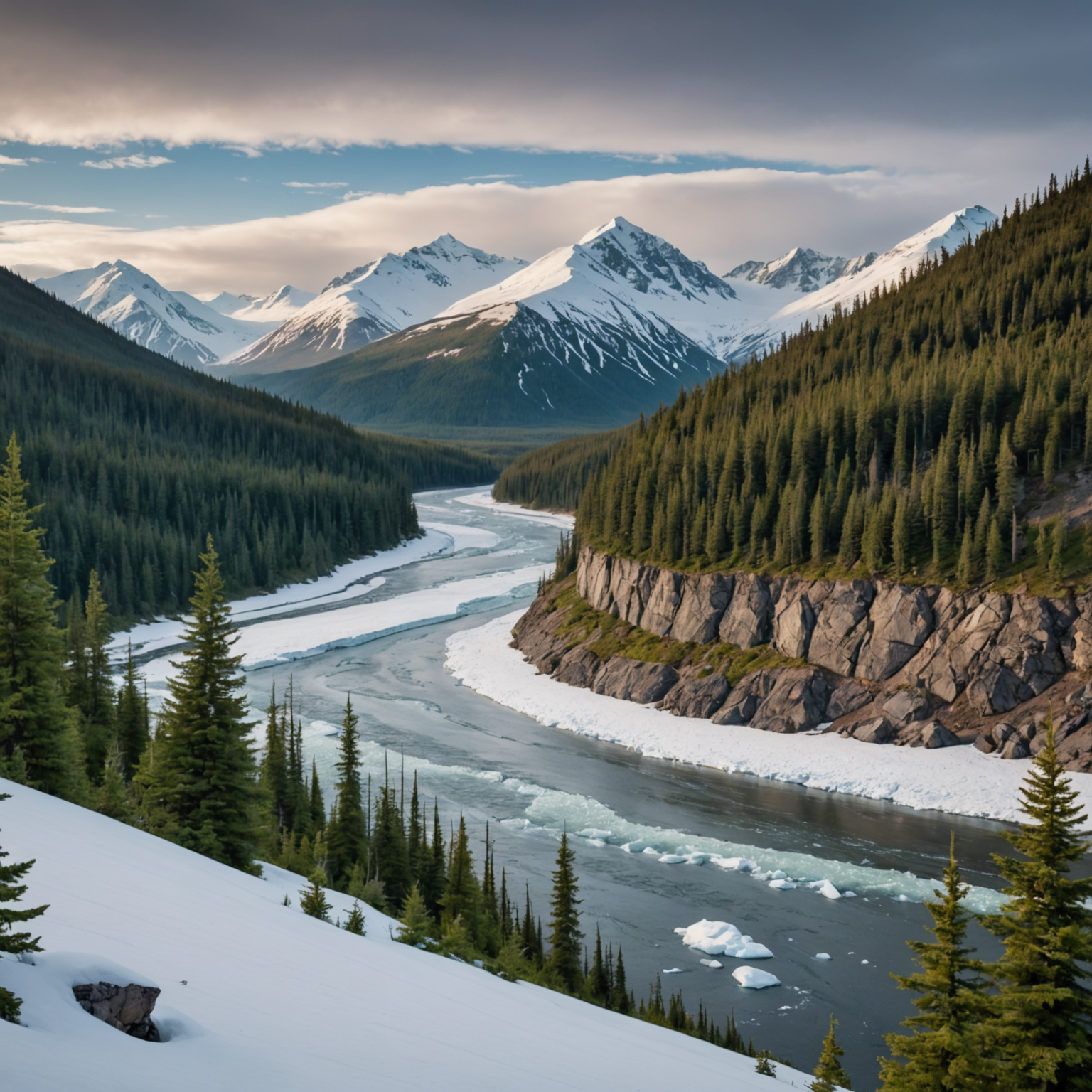
Before setting out on your dog sledding adventure, it’s important to prepare adequately. The right gear, training, and knowledge of the environment are essential. For those eager to explore Alaska’s breathtaking landscapes, numerous resources and tours are available to guide you through the process. Snowhook Adventures offers a range of tours and experiences, perfect for both beginners and seasoned mushers.
Gear and Safety
Equipping yourself with the right gear is fundamental to a successful sledding experience. Waterproof clothing, insulated boots, and protective eyewear are just a few essentials to consider. Additionally, understanding weather conditions is crucial. The National Weather Service provides reliable forecasts that can help you plan your trip.
Training and Conditioning
Training both the dogs and the musher is a critical component of dog sledding. Dogs need to be in peak physical condition and respond well to commands. Mushers should also be physically fit and familiar with the sledding techniques to ensure a safe and enjoyable ride.

Conclusion
Building a sled for a dog to pull is a rewarding endeavor that combines craftsmanship, tradition, and modern innovation. Whether you’re crafting a wooden sled or opting for a modern aluminum design, understanding the components and their functions is fundamental. As you prepare for your dog sledding adventure, remember to prioritize safety, proper training, and environmental awareness. Explore Snowhook Adventures for a variety of tours that can help you experience the thrill of dog sledding in some of the most beautiful locations.
FAQ
What materials are best for building a dog sled?
Wood, aluminum, and high-density plastics are the most common materials. Wood offers traditional durability, while aluminum and plastic provide lightweight options.
How can I ensure my sled is suitable for the dogs to pull?
Focus on lightweight materials, a balanced frame, and smooth runners to minimize effort for the dogs and maximize their comfort and performance.
Where can I go dog sledding in Alaska?
Many places in Alaska offer dog sledding adventures, such as Denali National Park and Talkeetna. Companies like Snowhook Adventures provide guided tours.
What safety measures should I take when dog sledding?
Ensure you have the right gear, understand the weather conditions, and have trained dogs and mushers. Using resources like the National Park Service can provide additional safety guidelines.
How do I train my dogs for sledding?
Training involves building their physical condition, teaching commands, and ensuring they are comfortable pulling a sled. Consistent practice and professional guidance can aid in this process.
What should I wear for a dog sledding trip?
Wear layered, waterproof, and insulated clothing. Accessories like gloves, hats, and goggles are essential for protection against cold and wind.
Can I build a sled on my own, or should I buy one?
Building a sled can be a rewarding project if you have the skills and resources. However, purchasing a professionally made sled ensures reliability and safety, especially for beginners.
How long does it take to build a sled?
The time can vary based on experience and materials used, but typically it can take several weeks to design and construct a sled properly.