Introduction
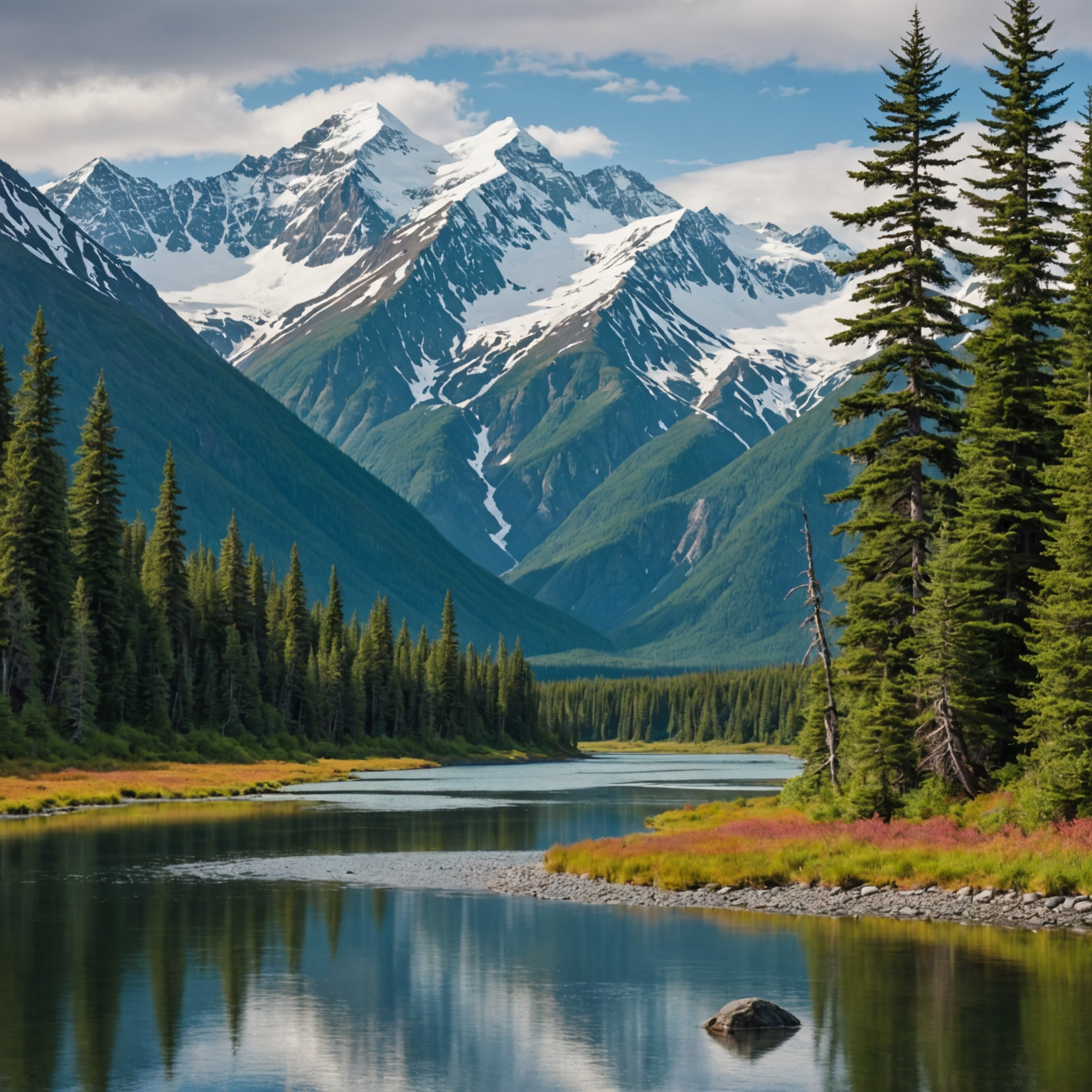
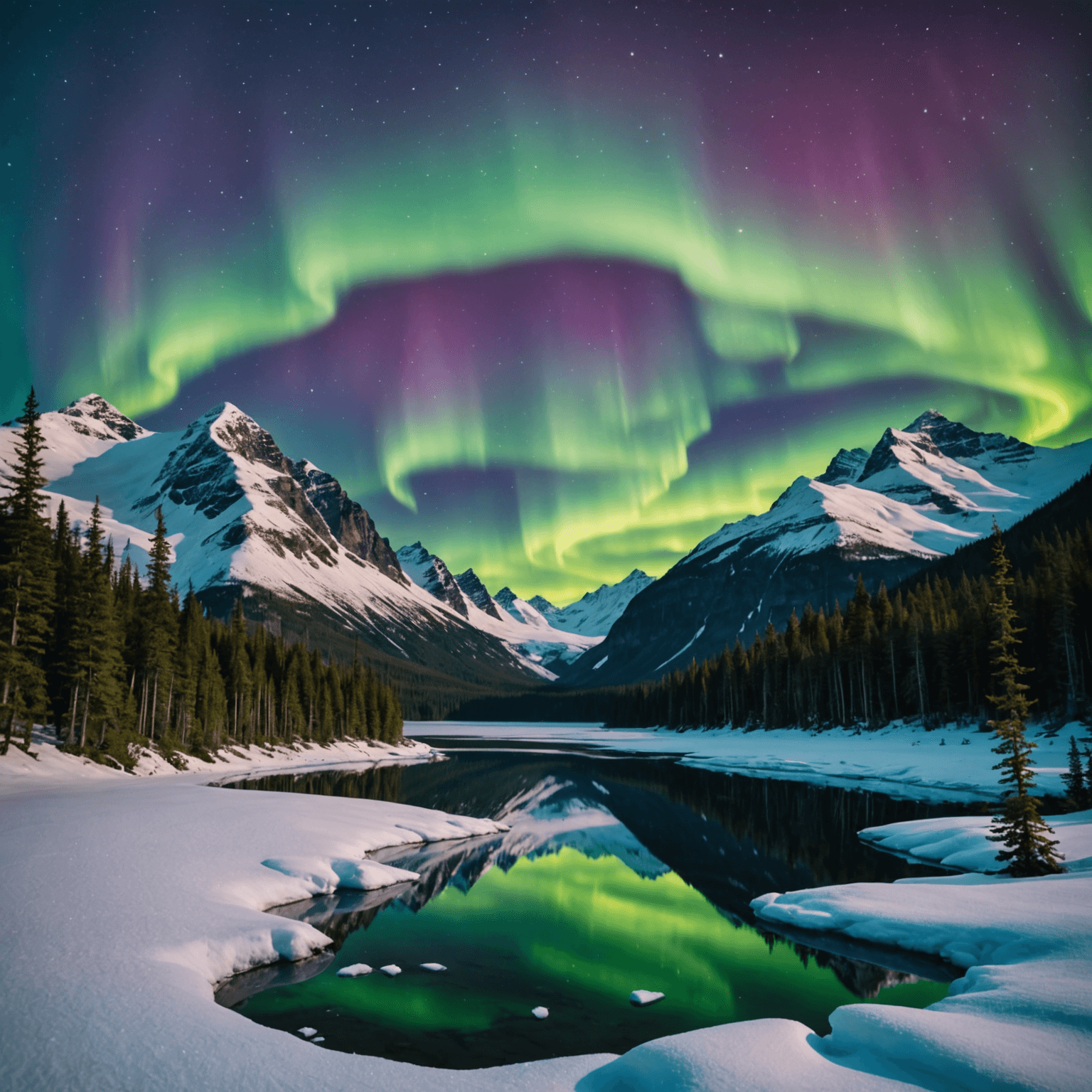
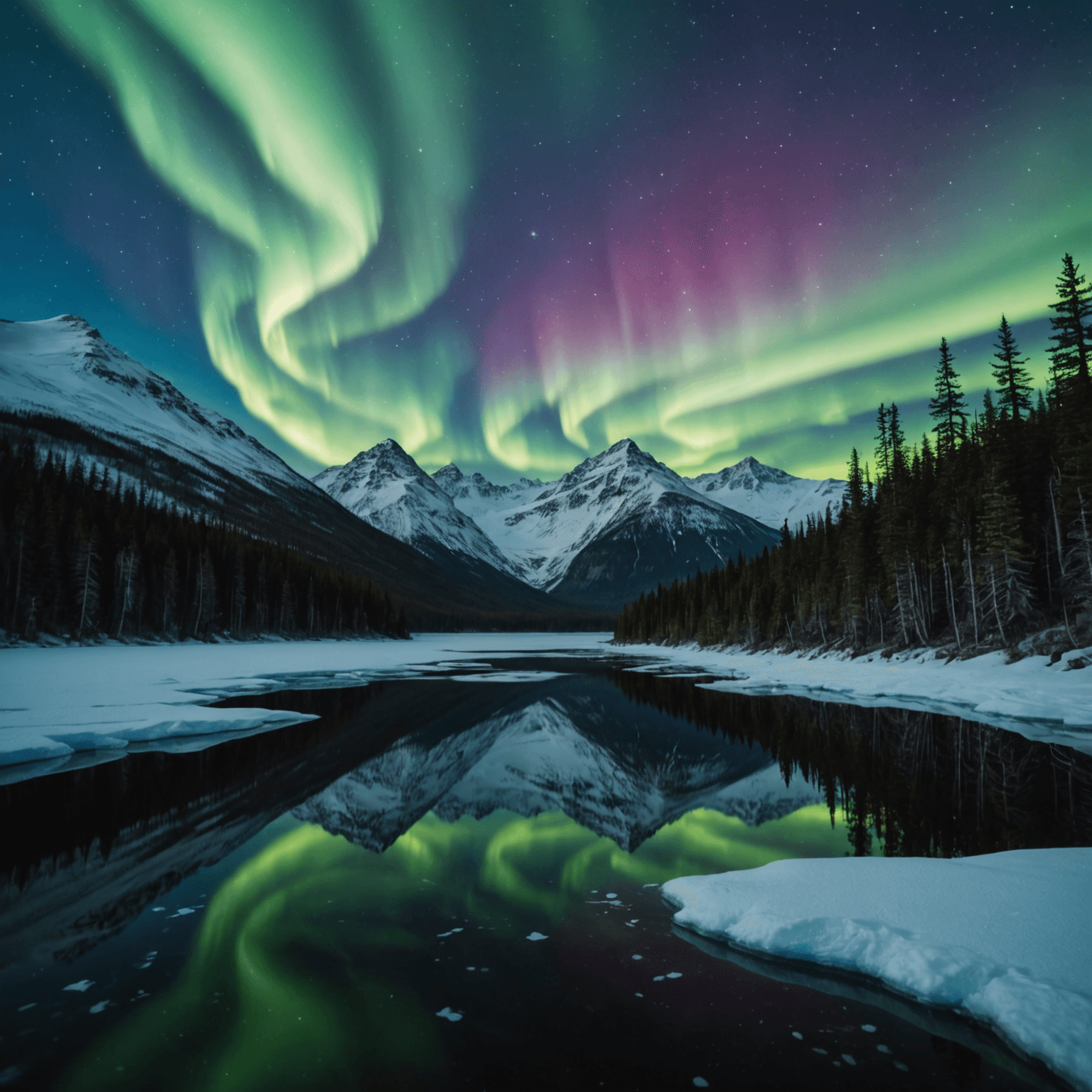
Alaska, with its vast wilderness and breathtaking vistas, is a canvas painted with natural wonders. Among these, two phenomena stand out as quintessentially Alaskan: the northern lights and snow. Imagine standing under a sky ablaze with the aurora borealis, its colors dancing in a symphony of greens, pinks, and purples, while the ground beneath is blanketed in pristine snow. This article delves into the magic of these Alaskan nights, offering insights into the best times and places to experience them.
Understanding the Northern Lights in Alaska
The northern lights, or aurora borealis, are a natural light display predominantly seen in high-latitude regions. They occur when charged particles from the sun collide with atoms in Earth’s atmosphere, causing bursts of light. The phenomenon is most commonly visible in the winter months, when the nights are longest, offering extended periods for viewing.
Best Time to See the Northern Lights
The optimal time to witness the northern lights in Alaska is between late September and early April. During this period, the long nights and clear skies provide excellent conditions for aurora sightings. For real-time forecasts on aurora activity, the Geophysical Institute offers valuable insights.
Prime Locations for Aurora Viewing
While the aurora can be seen throughout Alaska, certain locations offer more consistent views:
- Fairbanks: Known as one of the best places to view the northern lights, Fairbanks offers numerous tours and accommodations specifically geared towards aurora hunters.
- Denali National Park: Away from city lights, Denali provides a dark sky perfect for aurora viewing. Learn more about this park at Discover Denali.
- Talkeetna: This charming town is another excellent spot, offering both beauty and convenience. The Talkeetna Chamber of Commerce is a great resource for planning your visit.
The Snowy Landscape of Alaska
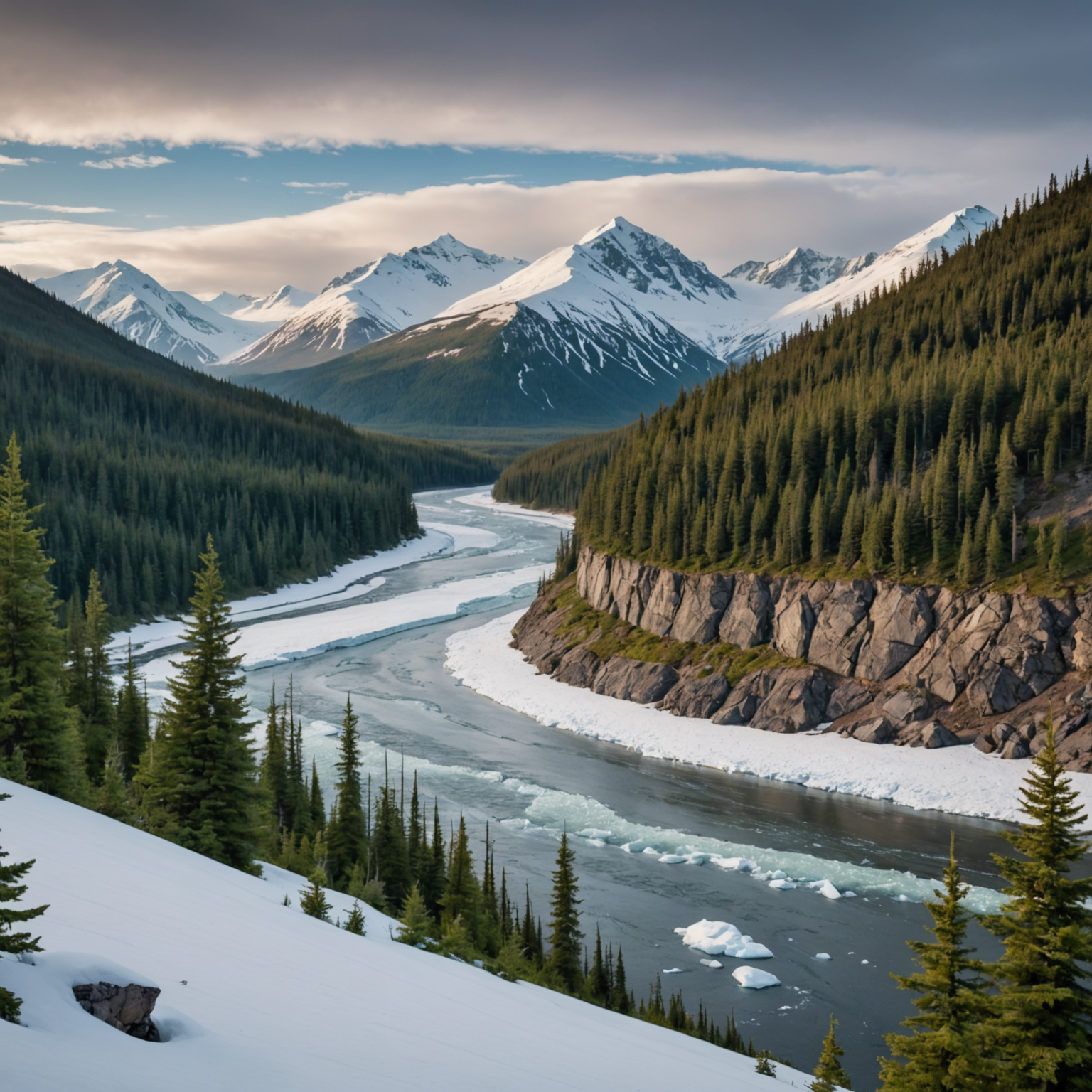
Alaska’s snow adds a magical touch to the aurora experience, turning the landscape into a glittering wonderland. Snowfall in Alaska varies widely depending on the region, with coastal areas receiving heavy, wet snow and interior regions experiencing lighter, powdery snow.
Snow Seasons and Regions
- Coastal Areas: Places like Anchorage and Juneau experience significant snowfall from November to March. The National Weather Service provides up-to-date weather information.
- Interior Regions: Fairbanks and other interior areas see snow from October to April, often with sub-zero temperatures that preserve the snowpack.
Activities in the Snow
Alaska’s snow-covered landscapes offer numerous winter activities:
- Dog Sledding: Experience the thrill of mushing across snowy trails. Check out this summer dog sledding adventure tour for more details.
- Snowmobiling: Explore the backcountry on a snowmobile. Consider taking a Denali Glacier Snowmobile Adventure for an unforgettable experience.
- Custom Tours: For a tailored experience, custom tours can provide personalized excursions into Alaska’s snowy wilderness.
Safety Considerations
Venturing out into Alaska’s winter wilderness requires preparation and caution. Severe weather, wildlife encounters, and treacherous terrain are all potential risks. Here are some safety tips:
- Check Weather Conditions: Always monitor the forecast through reliable sources like the NOAA to avoid severe weather.
- Avalanche Awareness: If you’re exploring mountainous areas, be aware of avalanche risks. The Chugach National Forest Avalanche Information Center is a great resource.
- Wildlife Precautions: Alaska is home to a variety of wildlife. Understanding and respecting their habitat is crucial. The Alaska Department of Fish and Game provides guidelines on living safely with wildlife.
Conclusion
Alaska’s northern lights and snow create a mesmerizing winter spectacle that draws visitors from around the world. By understanding the best times and places to experience these natural wonders, and by preparing adequately for the conditions, you can make the most of your Alaskan adventure. Whether you’re drawn by the allure of the aurora or the pristine beauty of the snow, Alaska offers an unforgettable journey into nature’s splendor.
FAQ
1. When is the best time to see the northern lights in Alaska?
The best time is from late September to early April when the nights are long and dark.
2. Where are the best places to view the northern lights in Alaska?
Fairbanks, Denali National Park, and Talkeetna are among the top locations.
3. What should I wear to stay warm during winter in Alaska?
Layered clothing, including thermal wear, insulated jackets, and waterproof boots, is recommended to stay warm.
4. Are guided tours available for northern lights viewing?
Yes, numerous guided tours are available, such as the Northern Lights Adventures, which offer expert guidance and optimal viewing locations.
5. How can I ensure my safety while exploring snowy areas?
Always check weather forecasts, be aware of avalanche risks, and follow wildlife safety guidelines.
6. Can you see the northern lights during the summer in Alaska?
While theoretically possible during rare geomagnetic events, the midnight sun in summer makes it nearly impossible to see the aurora.
7. Is dog sledding available year-round?
Yes, there are fall dog sledding tours available, offering a unique experience even outside of the traditional winter months.
8. What are other popular winter activities in Alaska?
Besides aurora viewing, snowmobiling, skiing, and visiting ice caves are popular activities. For more on snowmobiling, see Alaska Snowmobile Tours.