Introduction
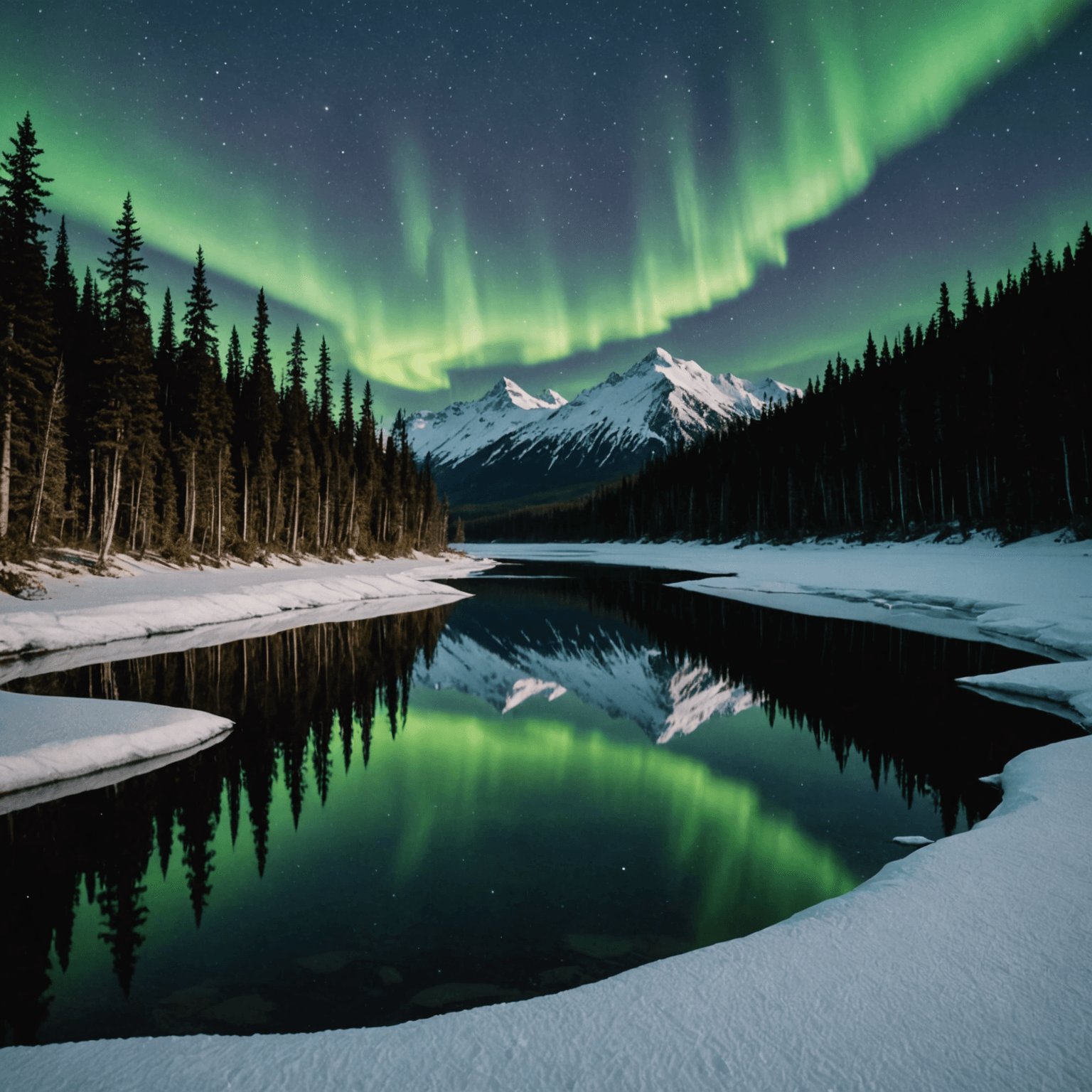
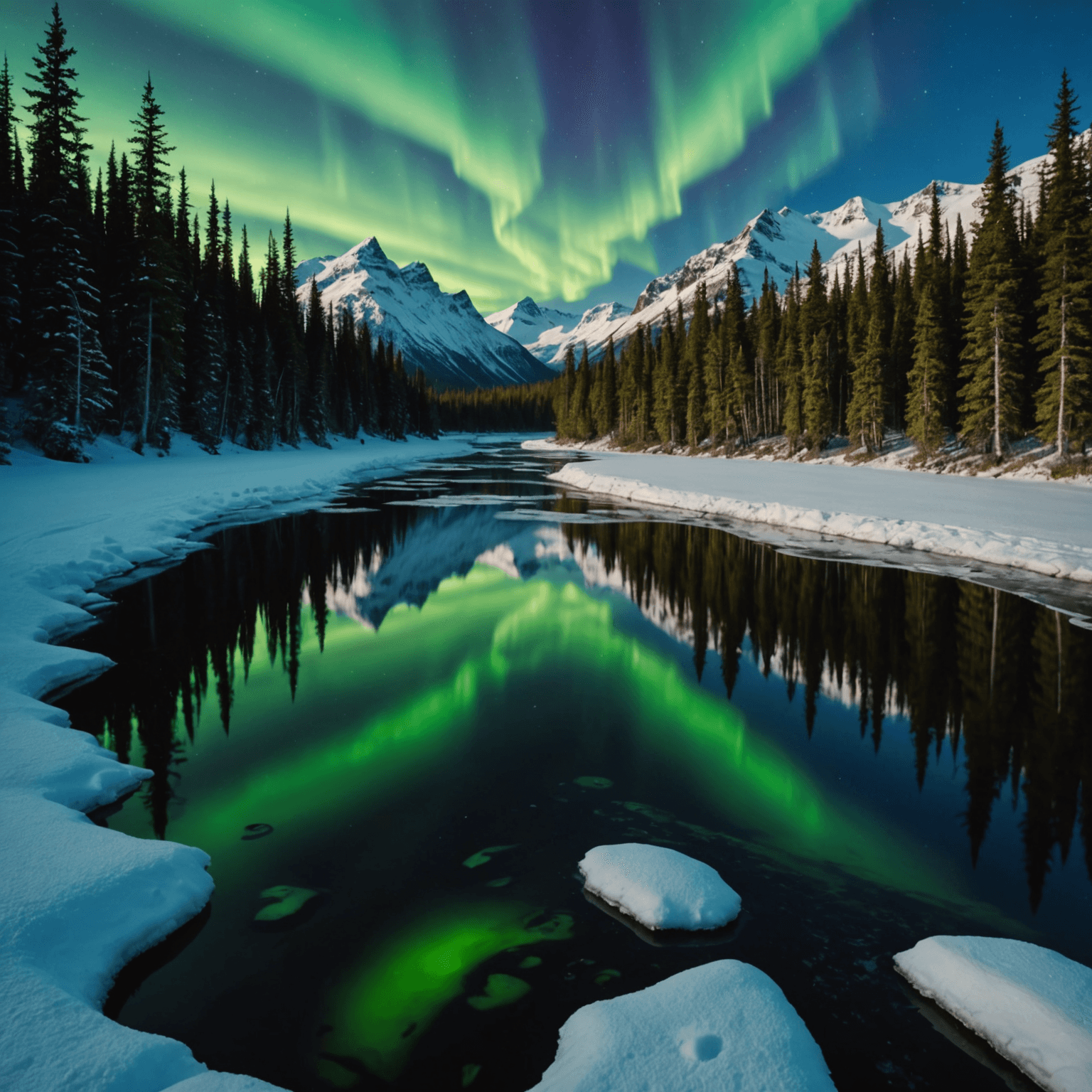
The allure of the aurora borealis, or northern lights, is undeniable, drawing thousands of visitors to Alaska each year. This natural wonder paints the night sky with vibrant hues of green, pink, and even reds and purples. But when is the best time to see the aurora in Alaska? The answer involves understanding the interplay between solar activity, geographical location, and seasonal conditions. In this article, we’ll explore the optimal times for aurora viewing in Alaska, focusing on why the fall and spring equinoxes often provide the most vivid shows.
Understanding the Aurora Borealis
The aurora borealis is a result of charged particles from the sun colliding with gases in Earth’s atmosphere. These spectacular displays are most commonly seen in high-latitude regions around the Arctic and Antarctic. Alaska, with its prime location, offers some of the world’s best aurora viewing opportunities. To maximize your chances of witnessing this breathtaking phenomenon, it’s essential to consider both the time of year and the specific geographical locations within Alaska.
Best Times of Year for Aurora Viewing
Fall Equinox (September)
September marks the beginning of the aurora season in Alaska. As summer’s midnight sun fades, the increased darkness provides ample opportunity for aurora viewing. According to the Geophysical Institute at the University of Alaska Fairbanks, fall equinox is one of the peak times for auroral activity due to the Earth’s axial tilt and solar wind interactions. This period often offers clear skies and milder weather compared to the colder months ahead.
Winter Months (November to February)
The winter months are traditionally popular for aurora viewing due to the long nights and cold, clear skies. However, extreme cold and unpredictable weather can pose challenges. Places like Fairbanks and nearby regions offer clear skies, making them ideal for winter viewing. For those looking to combine adventure with aurora watching, consider a snowmobile adventure tour during this period.
Spring Equinox (March)
Similar to the fall, the spring equinox provides another peak period for aurora activity. Longer days begin to return, but the nights remain long enough for excellent viewing conditions. The milder temperatures compared to deep winter can make this an appealing time for many travelers. This is also a great time to explore multi-day tours that include aurora viewing as part of the itinerary.
Ideal Locations in Alaska for Aurora Viewing
Fairbanks
Fairbanks is one of the top destinations for aurora viewing due to its location under the “auroral oval,” where auroras are most frequently visible. The town offers numerous accommodations and tours dedicated to aurora hunting. Northern Lights Adventures are popular among tourists seeking a guided experience.
Denali National Park
Denali, known for its breathtaking landscapes, also offers fantastic aurora viewing opportunities. The park is less crowded during the aurora season, providing a serene backdrop for the lights. For travel planning, resources like Discover Denali provide valuable information on visiting the park during aurora season.
Chena Hot Springs
Located about 60 miles from Fairbanks, Chena Hot Springs is a unique spot to view the aurora while relaxing in natural hot springs. The remote location reduces light pollution, enhancing the visibility of the lights.
Anchorage
While Anchorage is not as ideal as more northern locations, it still offers occasional aurora sightings. Travelers often combine their aurora hunting with other activities such as dog sledding tours and exploring nearby parks.
Tips for Successful Aurora Viewing
- Check the Forecast: Use resources like the Aurora Forecast to monitor predicted auroral activity and plan your outings accordingly.
- Avoid Light Pollution: Seek out remote areas away from city lights for the best viewing experience.
- Dress Warmly: Temperatures can drop significantly at night, especially in winter months. Layering is key to staying comfortable during long viewing sessions.
- Stay Patient: The aurora can be unpredictable. It’s important to remain flexible with your plans and be willing to wait for the right conditions.
Conclusion
Alaska’s unique geographical position and seasonal conditions make it a prime destination for witnessing the aurora borealis. By understanding when is the best time to see the aurora, travelers can plan their trips to coincide with peak viewing opportunities during the fall and spring equinoxes. Whether you’re venturing to Fairbanks, Denali, or the relaxing Chena Hot Springs, Alaska offers a myriad of unforgettable experiences under the northern lights.
FAQ
What causes the aurora borealis?
The aurora borealis is caused by charged solar particles colliding with Earth’s atmospheric gases, resulting in stunning light displays.
Is it possible to see the aurora in Anchorage?
While less frequent than in more northern areas, the aurora can occasionally be seen in Anchorage, especially during periods of high solar activity.
How long does the aurora season last in Alaska?
Aurora season typically spans from mid-August to mid-April, with peak viewing times during the fall and spring equinoxes.
What should I wear for aurora viewing in Alaska?
Dress in layers to stay warm, as temperatures can drop significantly at night. Insulated boots, gloves, and hats are essential.
Can the aurora be predicted?
The aurora is somewhat unpredictable, but forecasts from sources like the Aurora Forecast provide helpful predictions.
Are there guided tours available for aurora viewing?
Yes, many guided tours are available, such as the Northern Lights Adventures, offering expert guidance and optimal viewing locations.
Is the aurora visible during the summer in Alaska?
The midnight sun in summer makes it nearly impossible to see the aurora due to the lack of darkness.
What are some other activities to do in Alaska during aurora season?
In addition to aurora viewing, visitors can enjoy dog sledding tours, snowmobile adventures, and exploring national parks.