Introduction
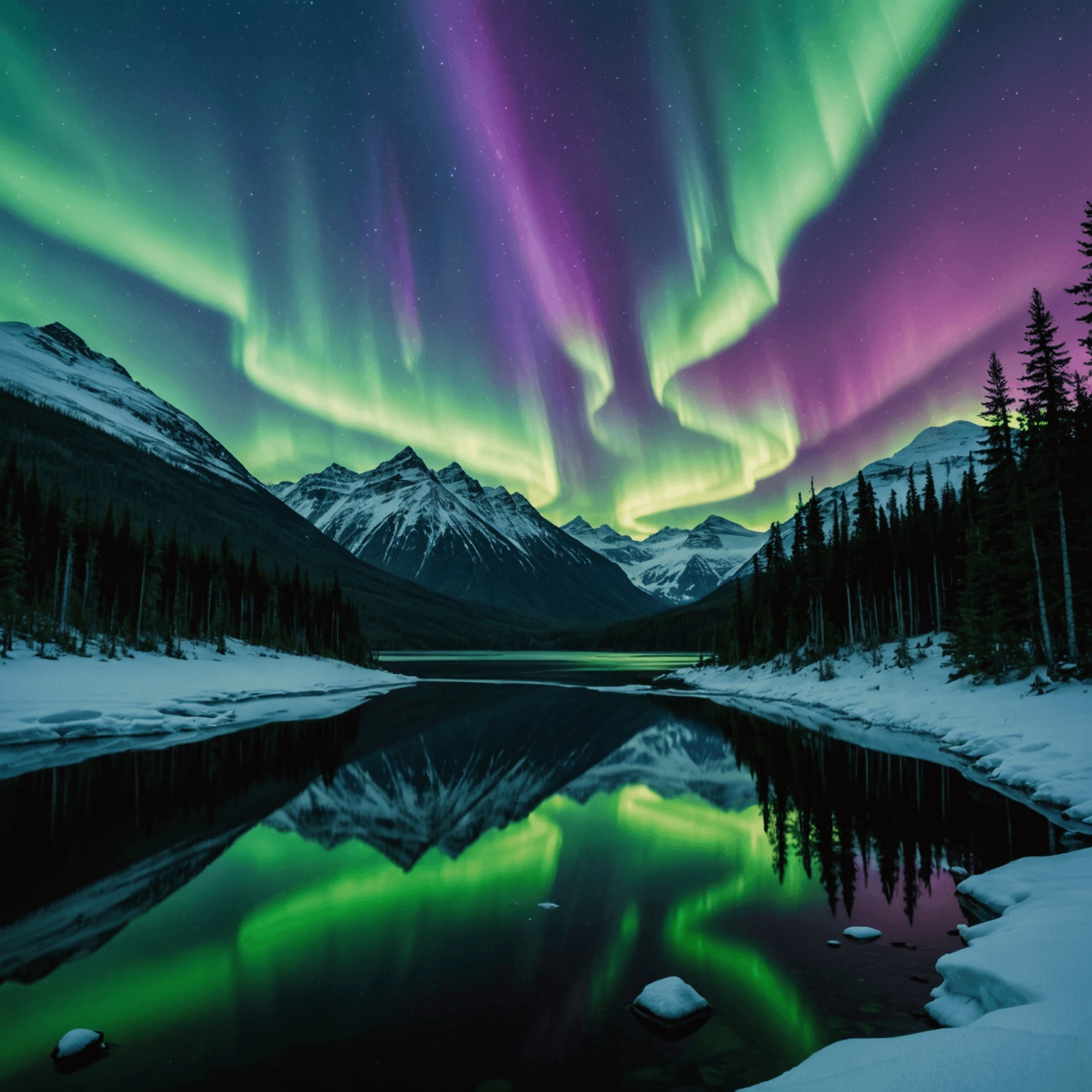
The Northern Lights, or Aurora Borealis, are one of the most mesmerizing natural phenomena visible on Earth. These luminous displays of color and movement across the night sky have captivated humans for centuries. Alaska, with its vast wilderness and minimal light pollution, is one of the prime locations to witness this breathtaking spectacle. However, many wonder: are northern lights year-round in Alaska? In this comprehensive guide, we will explore the best times and conditions for viewing the Northern Lights in Alaska and why dark skies are essential for this celestial experience.
Understanding the Northern Lights
What Are the Northern Lights?
The Northern Lights are caused by particles from the sun colliding with the Earth’s atmosphere. These interactions occur primarily near the polar regions, where the Earth’s magnetic field is strongest. The result is a stunning light display that varies in intensity and color, often appearing green, pink, red, yellow, blue, and violet.
The Role of Dark Skies
Dark skies are crucial for viewing the Northern Lights. Light pollution from urban areas can significantly diminish the visibility and vibrancy of the aurora. This is one reason why Alaska, with its remote locations and lack of significant light pollution, is ideal for aurora viewing.
Best Times to See the Northern Lights in Alaska
Seasonality of the Northern Lights
While technically the Northern Lights can occur at any time, they are not visible year-round in Alaska due to the extended daylight hours during the summer months. The best time to see the Northern Lights in Alaska is during the aurora season, which runs from late August to April. During this period, the long nights and clear skies provide optimal conditions for viewing.
Peak Viewing Months
The peak months for Northern Lights sightings in Alaska are generally from September to March. This is when the nights are longest, and the skies tend to be clearer. September and March, in particular, are known for increased solar activity, which can lead to more frequent and intense auroral displays.
Recommended Locations
Some of the best locations to view the Northern Lights in Alaska include Fairbanks, Anchorage, and the Denali National Park area. These regions offer excellent vantage points and often have tours and accommodations specifically geared toward aurora chasers. For those interested in combining their aurora experience with adventure, Snowhook Adventures offers thrilling excursions like dog sledding and snowmobile tours.
Factors Influencing Aurora Visibility
Weather Conditions
Clear skies are essential for seeing the Northern Lights. Cloud cover can obstruct the view, so it’s important to check local weather forecasts. The National Weather Service provides up-to-date weather information for various regions in Alaska, which can be invaluable when planning an aurora viewing trip.
Solar Activity
The intensity and frequency of the Northern Lights depend on solar activity. Checking aurora forecasts can help determine the likelihood of seeing the lights. Resources such as the Geophysical Institute’s Aurora Forecast provide valuable insights into upcoming aurora activity.
Local Expertise
Guided tours can enhance your Northern Lights experience by providing expert knowledge on the best viewing times and locations. Companies like Snowhook Adventures offer specialized tours that maximize your chances of witnessing this natural wonder.
Conclusion
While the Northern Lights are not visible year-round in Alaska due to the bright summer nights, the state offers some of the best opportunities to see this awe-inspiring phenomenon during the aurora season from late August to April. By choosing the right time, location, and weather conditions, and possibly joining a guided tour, you can significantly increase your chances of experiencing the magic of the Northern Lights.
FAQ
Are the Northern Lights visible in Alaska during the summer?
No, the Northern Lights are typically not visible during the summer months in Alaska due to the long daylight hours.
What time of night is best for viewing the Northern Lights?
The best time to view the Northern Lights is usually between 10 PM and 2 AM. However, this can vary depending on solar activity and local conditions.
Can I see the Northern Lights from Anchorage?
Yes, you can see the Northern Lights from Anchorage, although visibility can be better in more remote areas with less light pollution.
How can I improve my chances of seeing the Northern Lights?
To improve your chances, plan your visit during the peak months of September to March, check aurora forecasts, and consider joining a guided tour for expert insights.
Are there any tours that combine Northern Lights viewing with other activities?
Yes, Snowhook Adventures offers tours that combine Northern Lights viewing with activities like dog sledding and snowmobiling.
What should I wear to stay warm while watching the Northern Lights?
Dress in layers, with a waterproof outer layer, insulated boots, and a warm hat and gloves to stay comfortable in the cold Alaskan night.
Is it possible to photograph the Northern Lights?
Yes, with the right camera settings and equipment, you can capture stunning photographs of the Northern Lights. A tripod and a camera with manual settings are recommended.
Are there any safety concerns when viewing the Northern Lights in Alaska?
When venturing into remote areas for aurora viewing, ensure you have the necessary gear and check local weather and wildlife advisories, such as those provided by Ready Alaska.