Introduction
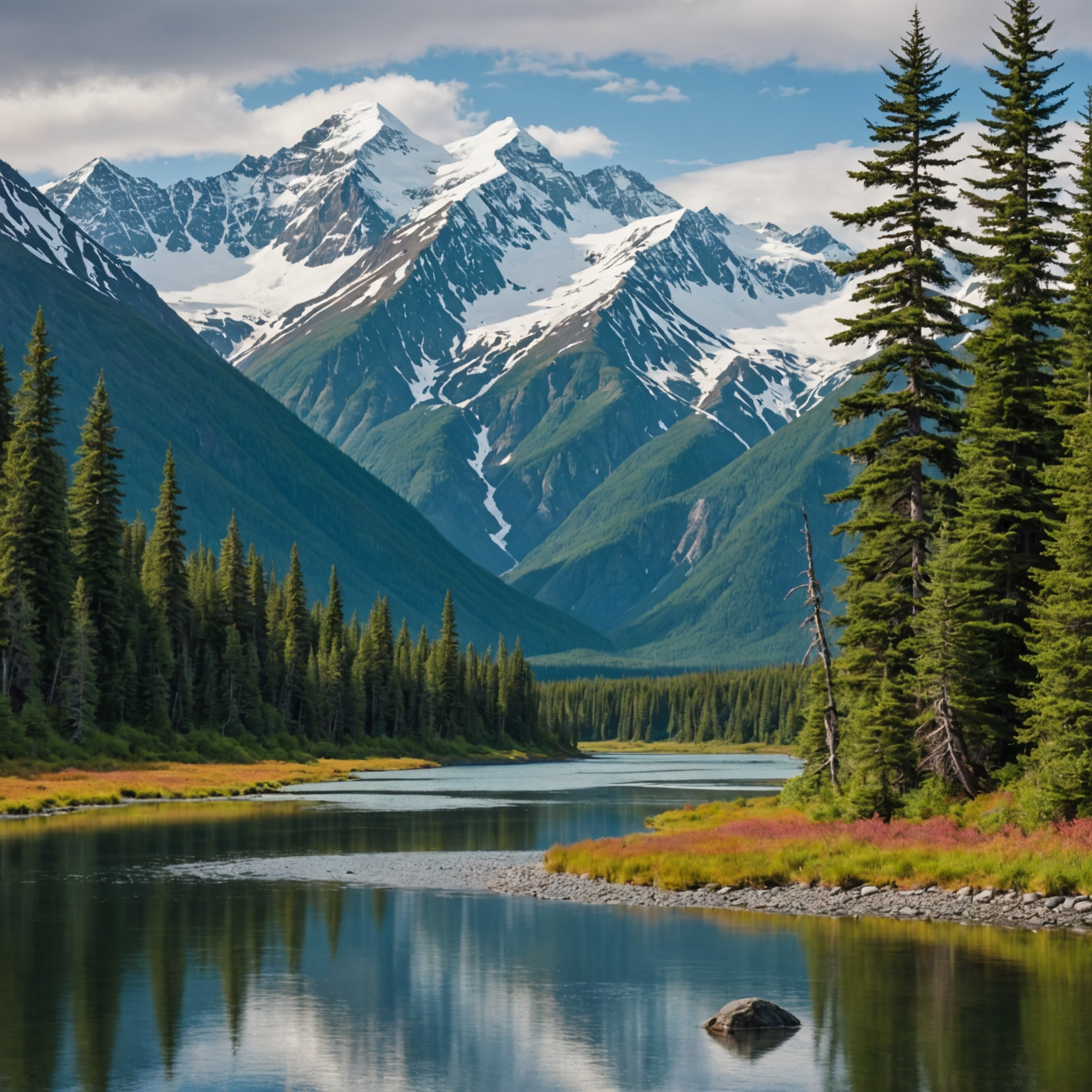
The Aurora Borealis, or the northern lights, is a dazzling natural light display that has captivated humans for centuries. Observing this ethereal phenomenon requires a bit of planning, especially when it comes to timing. If you’re wondering what time to see Aurora Borealis most clearly, you’re in the right place. This guide will provide you with essential tips and insights on the best hours at night to witness the bright and vivid skies of Alaska.
Understanding the Aurora Borealis
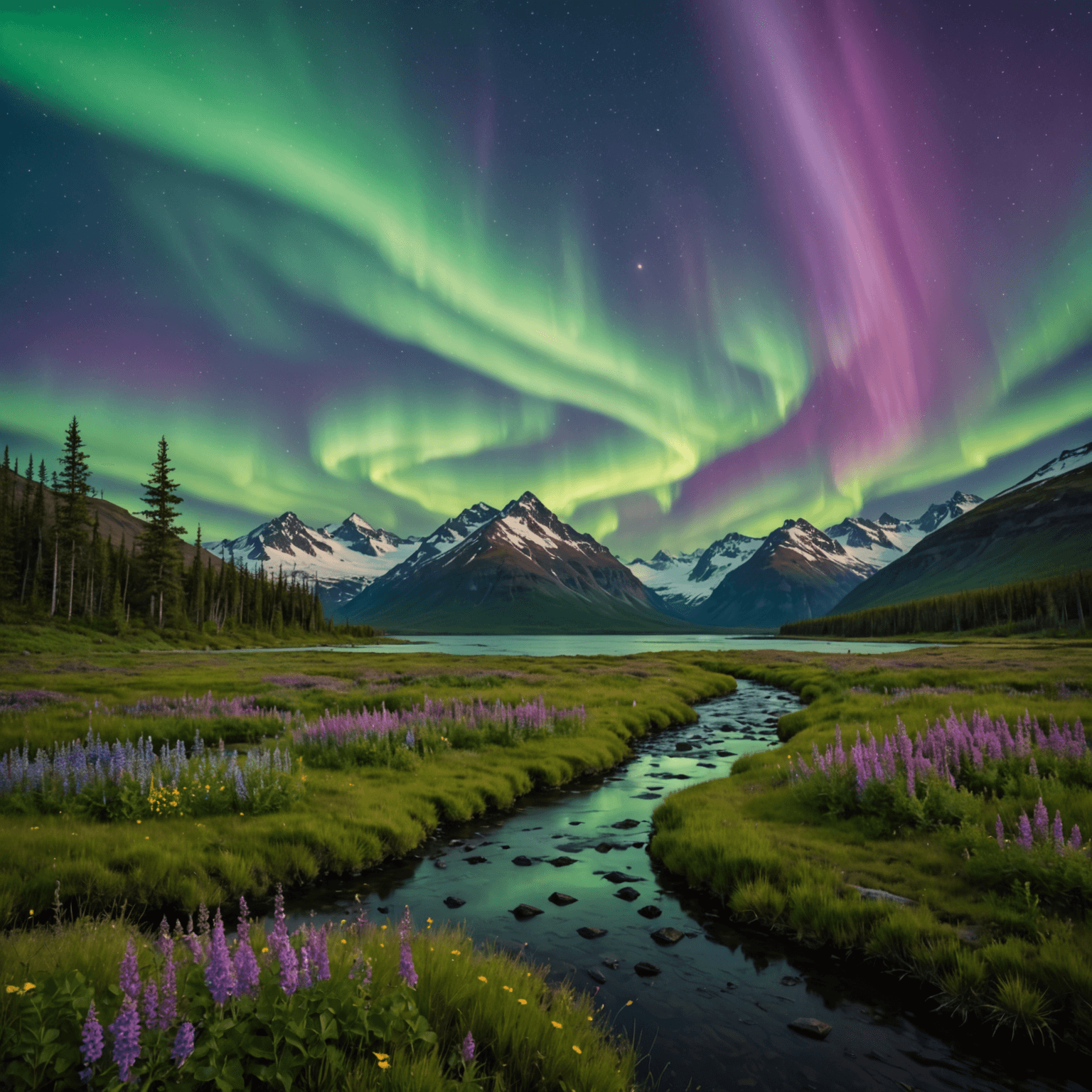
The Aurora Borealis occurs when charged particles from the sun collide with atoms in Earth’s atmosphere. This interaction creates beautiful displays of colored lights in the sky, primarily seen in high-latitude regions like Alaska. Understanding the science behind these lights can help you appreciate their beauty even more.
The intensity of the Aurora Borealis depends on solar activity, which is often measured by the KP index. A higher KP index indicates more intense auroras, which can be seen farther from the poles. For the most accurate aurora forecasts, you can check reliable resources such as the Geophysical Institute’s Aurora Forecast or the NOAA’s Aurora 30-Minute Forecast.
Best Time to See the Aurora Borealis
Optimal Viewing Hours
The best time to see the Aurora Borealis is typically between 10 PM and 2 AM local time. During these hours, the sky is darkest, and the lights are most visible. However, this can vary depending on your specific location and the time of year.
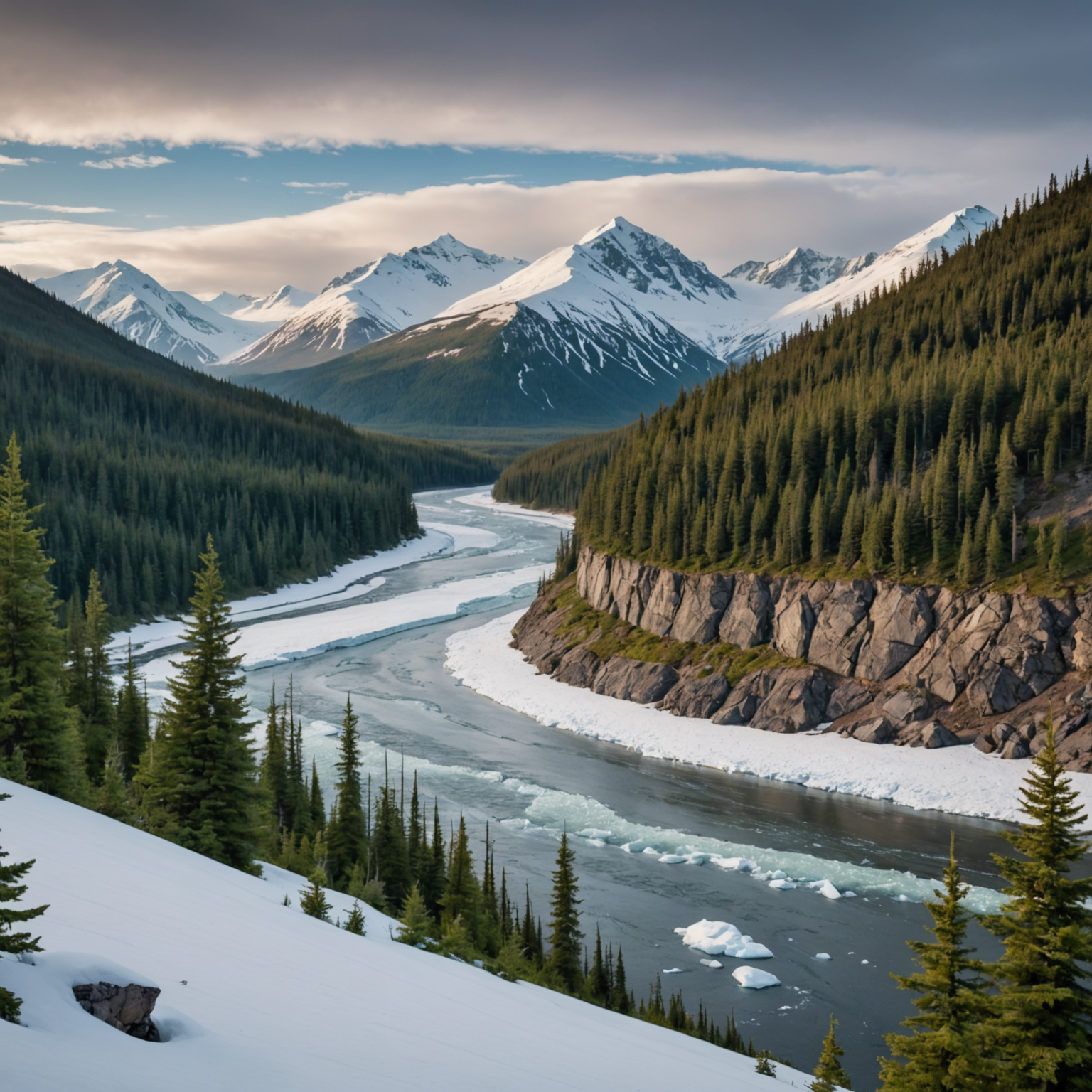
In Alaska, the aurora is most commonly visible from late August to mid-April. During these months, the nights are long, providing ample opportunity to catch a glimpse of the lights.
Seasonal Considerations
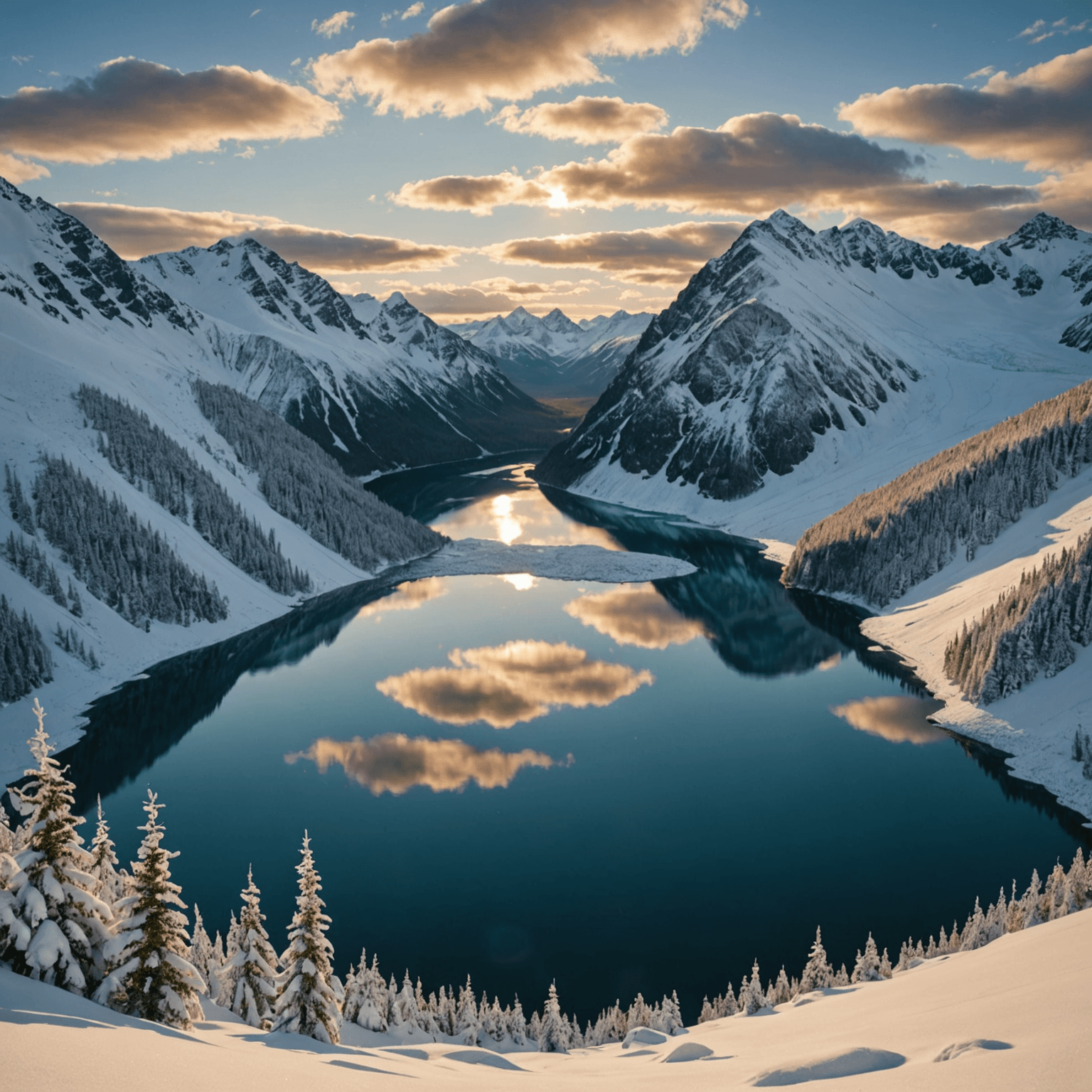
While the aurora can be seen throughout the year, the winter months offer the longest nights, which means more time to view the lights. However, the weather can be unpredictable, with snow and cloud cover sometimes obstructing the view. For a more comprehensive adventure, you might consider a Winter Experience Adventure Tour to combine aurora viewing with other winter activities.
Location Matters
Your location plays a crucial role in your aurora viewing experience. Ideally, you want to be away from city lights, which can obscure the visibility of the aurora. Consider remote areas with clear skies, like those accessible through the Glacier Northern Lights Adventure.
Planning Your Aurora Viewing Adventure
Tools and Resources
To enhance your aurora viewing experience, make use of technology and resources. Mobile apps and websites provide real-time aurora forecasts and alerts. Always check the National Weather Service or Space Weather Prediction Center before heading out.
Safety Tips
When planning an aurora viewing trip, safety should be a top priority. Ensure you have the right gear for cold weather and familiarize yourself with local wildlife precautions by consulting resources like the Alaska Department of Fish and Game.
For those new to the Alaskan wilderness, guided tours such as the Hatcher Pass Helicopter Tour can provide a safe and thrilling experience.
Conclusion
Witnessing the Aurora Borealis is a magical experience that requires a bit of planning. By understanding what time to see Aurora Borealis most clearly and preparing accordingly, you can increase your chances of seeing this natural wonder in all its glory. Check forecasts, choose the right locations, and consider joining a guided tour to enhance your adventure.
FAQ
What time of year is best to see the Aurora Borealis in Alaska?
The best time to see the Aurora Borealis in Alaska is from late August to mid-April, with the peak viewing months being in the heart of winter when the nights are longest.
Can I see the Aurora Borealis from Anchorage?
Yes, you can see the Aurora Borealis from Anchorage, especially on nights with high solar activity. However, it’s best to travel to darker areas away from city lights for optimal viewing.
How do I know if the Aurora Borealis will be visible tonight?
Check aurora forecasts from reliable sources like the Geophysical Institute or the NOAA for the most accurate predictions.
What should I wear for an Aurora Borealis viewing trip?
Dress warmly in layers, as temperatures can drop significantly at night. Consider wearing thermal clothing, a winter jacket, gloves, and a hat. For more tips, see our All-Year Adventure Guide.
Are there guided tours for Aurora Borealis viewing in Alaska?
Yes, there are several guided tours available, such as the Dog Sled and Snowmobile Combo that include aurora viewing as part of their itinerary.
Is it possible to photograph the Aurora Borealis?
Absolutely! With the right equipment and settings, you can capture stunning images of the Aurora Borealis. A DSLR camera, tripod, and wide-angle lens are recommended for the best results.
What is the KP index, and why is it important for aurora viewing?
The KP index measures geomagnetic activity, which affects the visibility of the aurora. A higher KP index indicates stronger auroral activity, increasing the chances of seeing the lights even at lower latitudes.