
Introduction
Dog sledding is a thrilling and historic sport that has captivated adventurers and spectators alike. From the Iditarod Trail Sled Dog Race to leisurely tours across snowy landscapes, dog sleds have a unique charm and utility. But one question often arises: How fast do dog sleds actually go? Understanding the speed of dog sleds involves exploring a variety of factors such as terrain, weather conditions, and the health of the sled dogs. In this article, we’ll delve into these aspects, specifically focusing on the importance of boots for sled dogs, which play a critical role in their performance.
Factors Affecting Dog Sled Speed
Dog Breeds and Conditioning
The speed of a dog sled is heavily influenced by the type of dogs pulling it. Alaskan Huskies are the most popular breed used in racing due to their speed and endurance. These dogs are bred for their ability to cover long distances quickly. Conditioning and training are key; a well-conditioned team can maintain speeds of 10 to 14 miles per hour over extended distances.
Trail Conditions
The trail’s surface condition significantly impacts dog sled speed. Fresh snow can slow down a sled, while packed snow and ice allow for faster travel. In Alaska, the weather can change rapidly, affecting trail conditions. For updated trail conditions and forecasts, resources like the National Weather Service are invaluable.
Weather and Temperature
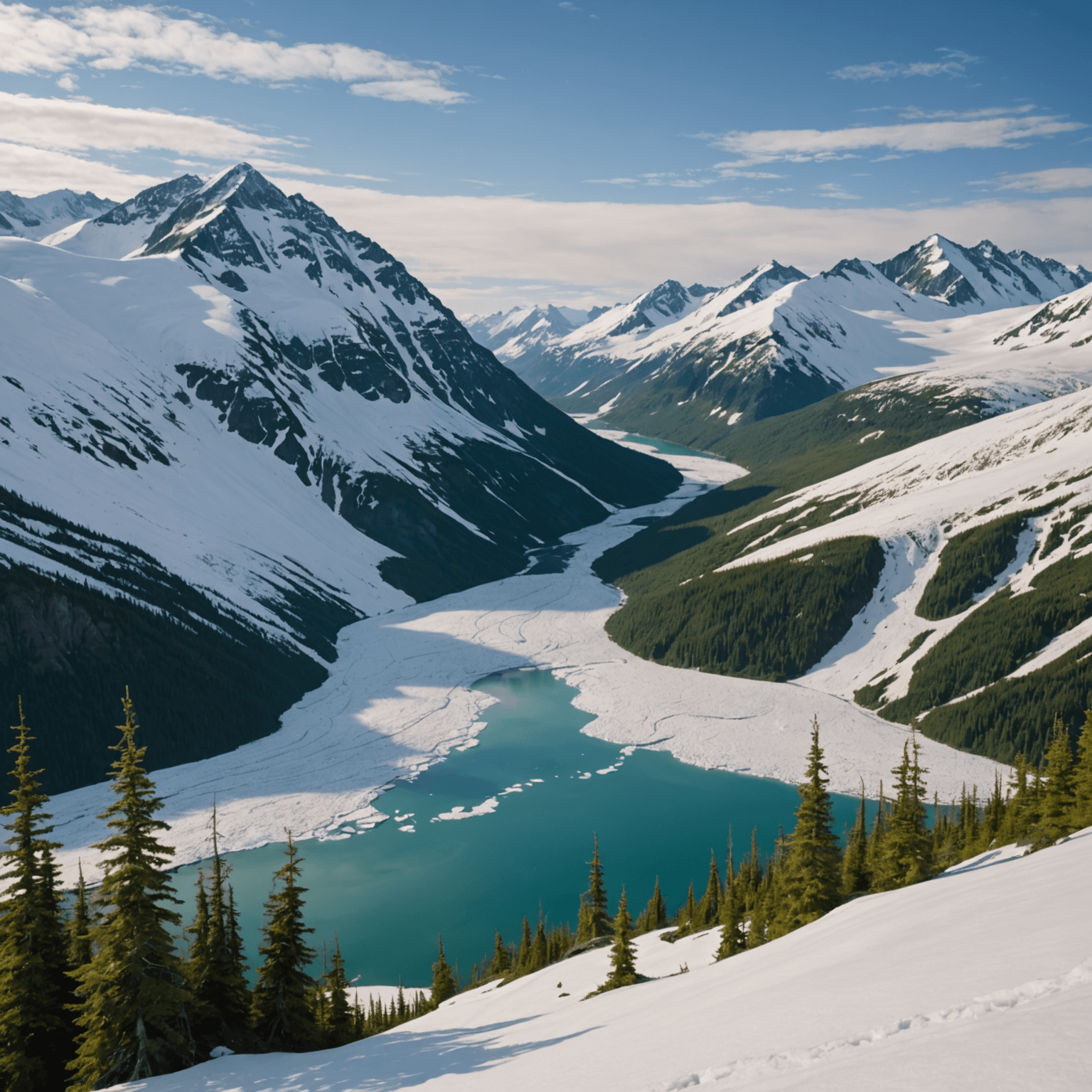
Weather plays a crucial role in sledding speeds. Cold temperatures are generally favorable as they prevent dogs from overheating. However, extreme cold or blizzards can slow down or halt progress. Checking the Aurora Forecast can provide insights into weather conditions that might affect sledding plans.
Sled Dog Gear
Proper gear is essential for maintaining speed and ensuring the well-being of sled dogs. Boots for sled dogs protect their paws from ice and rough terrain, preventing injuries that could slow the team. These boots must be lightweight and durable, allowing dogs to run efficiently. For more about sled dog care, visit Snowhook Adventures’ dedicated page.
Human Influence
The musher’s skill and experience are pivotal in determining sled speed. An adept musher can manage the team effectively, selecting the best paths and setting a pace that maximizes endurance and speed. The Race Record of the Iditarod showcases the achievements of experienced mushers and their teams.
Dog Sledding Races and Tours
Competitive Racing
In competitive events like the Iditarod, speeds can vary greatly depending on the section of the trail and weather conditions. Winning teams often average speeds of 10 to 12 miles per hour, with peak speeds reaching up to 20 miles per hour in ideal conditions. These races require strategic planning and precise execution to maintain speed over long distances.
Recreational Tours
Recreational dog sled tours, such as those offered by Snowhook Adventures, generally travel at slower speeds, ranging from 5 to 8 miles per hour. These tours prioritize the safety and enjoyment of participants, offering a unique way to explore Alaska’s stunning landscapes at a comfortable pace.

Combination Adventures
For those looking to combine dog sledding with other activities, options like the Dog Sled and Snowmobile Combo Tour provide a diverse experience. These adventures allow participants to enjoy the thrill of dog sledding and the speed of snowmobiling, offering a comprehensive Alaskan adventure.
Conclusion
Dog sled speeds are a fascinating aspect of this traditional mode of transportation and sport. They are influenced by numerous factors including the breed and conditioning of the dogs, trail and weather conditions, and the gear used. Understanding these elements not only enhances the appreciation for this remarkable sport but also underscores the importance of proper care and equipment, such as boots for sled dogs. Whether participating in a race or enjoying a tour, dog sledding offers a unique glimpse into the synergy between humans and canines in conquering the Alaskan wilderness.
FAQ
How fast do dog sleds typically go during races?
During races like the Iditarod, dog sleds can average speeds of 10 to 12 miles per hour, with peak speeds reaching up to 20 miles per hour under ideal conditions.
What factors affect the speed of a dog sled?
Several factors influence sled speed, including the breed and condition of the dogs, trail conditions, weather, and the skill of the musher.
Why are boots important for sled dogs?
Boots protect sled dogs’ paws from ice, snow, and rough terrain, preventing injuries that could slow down the team.
How does weather impact dog sledding?
Weather affects trail conditions and temperatures, which can impact sledding speed and the safety of the dogs. Cold weather is generally favorable, but extreme conditions can pose challenges.
What is the typical speed for a recreational dog sled tour?
Recreational tours usually travel at speeds of 5 to 8 miles per hour, allowing participants to enjoy the scenery comfortably.
Can dog sledding be combined with other activities?
Yes, combination tours like those offered by Snowhook Adventures allow participants to enjoy both dog sledding and other activities such as snowmobiling.
Where can I find more information about dog sledding tours in Alaska?
For detailed information about dog sledding tours and experiences, visit Snowhook Adventures, which offers a variety of options for exploring the Alaskan wilderness.