Introduction
Alaska, known for its stunning landscapes and wildlife, offers one of the most mesmerizing natural phenomena: the aurora borealis, or northern lights. Witnessing this ethereal display of lights dancing across the night sky is an experience that attracts travelers worldwide. Planning holidays to see the aurora borealis in Alaska requires timing, preparation, and knowledge of the best locations. In this comprehensive guide, we will explore the ideal times and places to witness the aurora borealis in Alaska, along with tips for making the most of your trip.
Why Alaska is Ideal for Viewing the Aurora Borealis
Alaska’s position under the auroral oval, a ring-shaped zone over the Earth’s geomagnetic poles, makes it one of the top destinations for viewing the northern lights. The state offers vast dark skies, minimal light pollution, and a variety of vantage points, from mountain tops to open tundras, which are perfect for observing this natural wonder. The aurora borealis is most visible during the long, dark winter months, from late August to April, when nights are longest.
Best Times to Witness the Northern Lights
For those planning holidays to see the aurora borealis, timing is crucial. The peak season for aurora viewing in Alaska is from September through March. During this period, the sky is dark enough to see the lights, provided the weather is clear. According to the Geophysical Institute at the University of Alaska Fairbanks, auroral activity is highest around the equinoxes in March and September. These months offer a balance of good weather and increased solar activity.
Top Locations in Alaska for Aurora Viewing
Fairbanks: Known as the unofficial capital of northern lights viewing, Fairbanks offers some of the best odds for seeing the aurora. Its location under the auroral oval and clear skies make it a prime spot. Consider staying at the Snowhook Lodge for a cozy experience and easy access to viewing areas.
Denali National Park: This iconic park offers stunning views of the aurora with the backdrop of Mount Denali. The park’s vast wilderness provides an uninterrupted view of the night sky. Visit Discover Denali for more information on park access and viewing tips.
Anchorage: While not as far north as Fairbanks, Anchorage still offers good aurora viewing opportunities, especially if you venture outside the city to places like Eagle River or the nearby Chugach Mountains. The Anchorage Convention & Visitors Bureau provides resources for travelers looking to explore the area.
Talkeetna: A charming town with clear skies, Talkeetna offers a great base for aurora hunting. Check out the Talkeetna Chamber of Commerce for local accommodations and guided tours.
Planning Your Aurora Borealis Holiday
Choosing the Right Tour
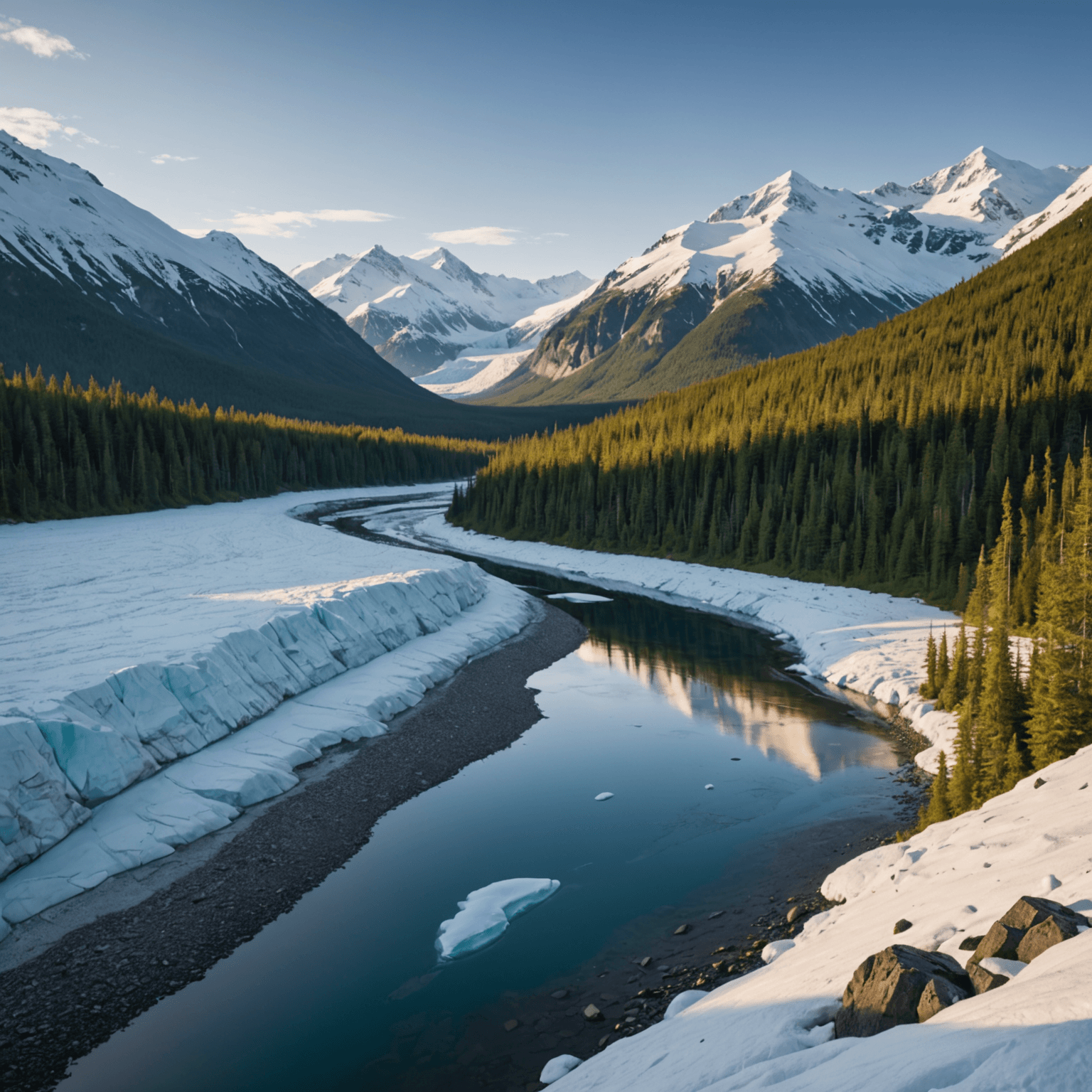
Guided tours can enhance your aurora viewing experience by providing transportation, expert guides, and amenities like heated cabins. Consider the Glacier Northern Lights Adventure for a comprehensive tour that combines aurora viewing with glacier exploration.
Accommodation Options
Staying in remote lodges or cabins away from city lights maximizes your chances of seeing the aurora. Many lodges in Fairbanks and the surrounding areas offer wake-up calls for aurora sightings. Explore options like the Winter Experience Adventure Tour for a memorable stay.
What to Pack
Cold weather gear is essential for aurora viewing in Alaska. Pack insulated, waterproof clothing, including layers, hats, gloves, and boots. A good camera with a tripod is also recommended for capturing the aurora’s beauty.
Safety Considerations
Traveling in Alaska during the winter requires preparation. Check the National Weather Service for weather updates and the Alaska Department of Transportation for road conditions. If venturing into the backcountry, familiarize yourself with avalanche safety.
Conclusion
Visiting Alaska for the aurora borealis is a bucket-list experience. By planning your holiday around peak viewing times and locations, and by choosing comfortable accommodations and knowledgeable guides, you can enhance your chances of witnessing this breathtaking spectacle. Whether you choose to explore Fairbanks, Denali, Anchorage, or Talkeetna, Alaska’s pristine wilderness and night skies promise an unforgettable journey.
FAQ
What is the best time of year to see the aurora borealis in Alaska?
The best time to see the aurora borealis in Alaska is from September to March, with peak activity around the equinoxes in March and September.
Where is the best place in Alaska to see the northern lights?
Fairbanks is often considered the best place to see the northern lights due to its location under the auroral oval and frequent clear skies.
Can you see the aurora borealis in Alaska year-round?
No, the aurora borealis is best viewed during the winter months when the nights are longest and the skies are darkest.
Are there guided tours available for aurora viewing in Alaska?
Yes, many guided tours are available, such as the Glacier Northern Lights Adventure, which offer transportation, expert guides, and additional activities.
What should I pack for an aurora borealis trip in Alaska?
Pack warm, insulated, and waterproof clothing, including layers, hats, gloves, and boots. A camera and tripod are recommended for capturing the aurora.
How can I check the aurora forecast for Alaska?
You can check the aurora forecast through the Geophysical Institute at the University of Alaska Fairbanks and Space Weather Prediction Center.
Is it safe to travel in Alaska during the winter?
Traveling in Alaska during winter is generally safe with proper preparation. Monitor weather conditions through the National Weather Service and check road conditions via the Alaska Department of Transportation.