Introduction
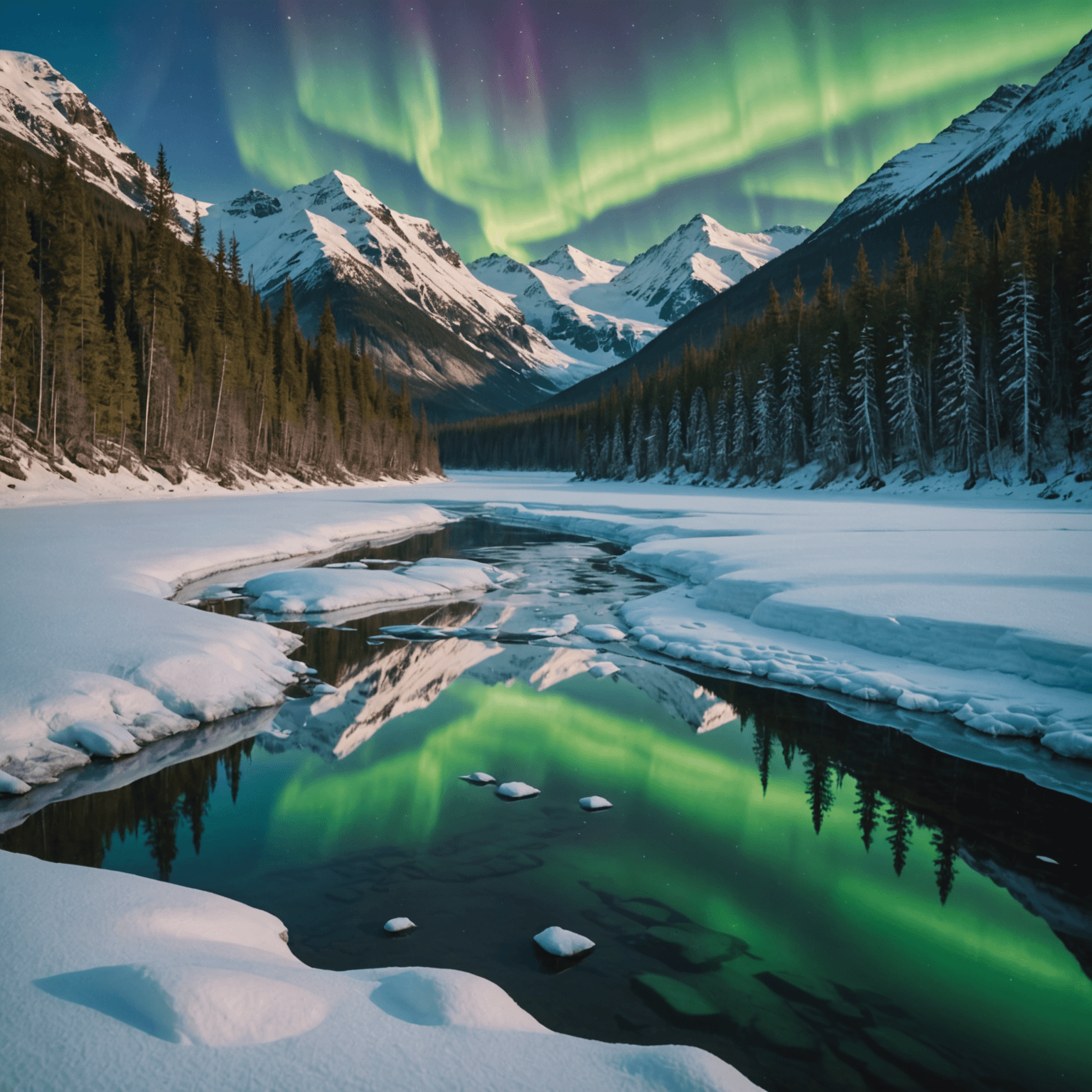
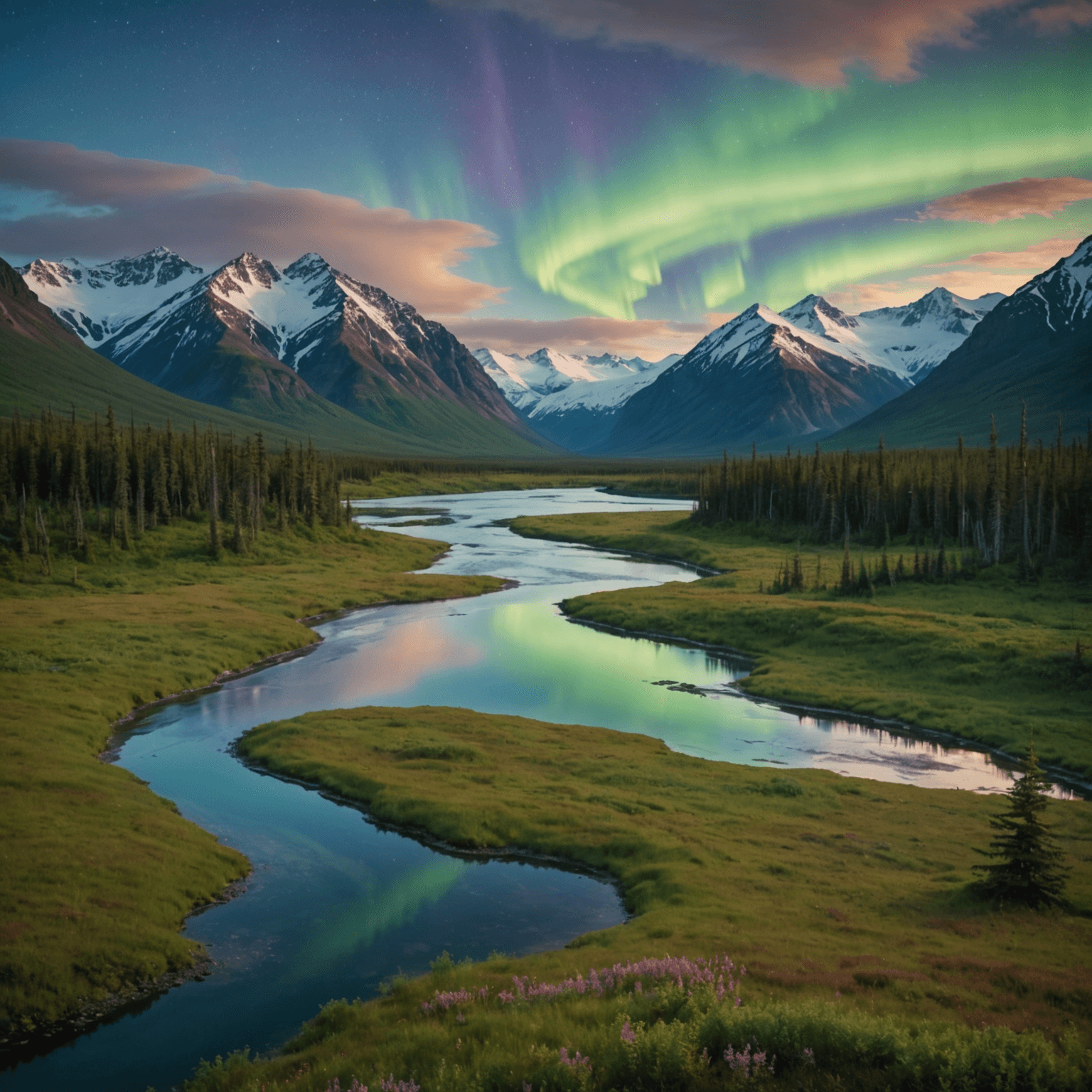
Experiencing the Northern Lights is a breathtaking adventure that should be on every traveler’s bucket list. The aurora borealis, commonly known as the Northern Lights, paints the night sky with vibrant colors, offering an unforgettable spectacle. This guide provides insights into the best locations, optimal viewing times, and practical tips to ensure you make the most of your Northern Lights journey. Whether you’re a seasoned traveler or planning your first adventure, this guide will help you witness one of nature’s most awe-inspiring phenomena.
Understanding the Northern Lights
The Northern Lights are a natural light display predominantly seen in high-latitude regions around the Arctic and Antarctic. They are caused by the interaction between solar wind and the Earth’s magnetic field, resulting in stunning visuals of green, purple, and sometimes red and white hues dancing across the sky.
Best Time to See the Northern Lights
The ideal time to view the Northern Lights is during the winter months, from late September to early April. During this period, the nights are longer and darker, providing the perfect backdrop for the aurora’s brilliance. Keep an eye on the aurora forecast from reputable sources like the Geophysical Institute and Space Weather Prediction Center to increase your chances of a successful sighting.
Top Locations for Northern Lights Viewing
Alaska
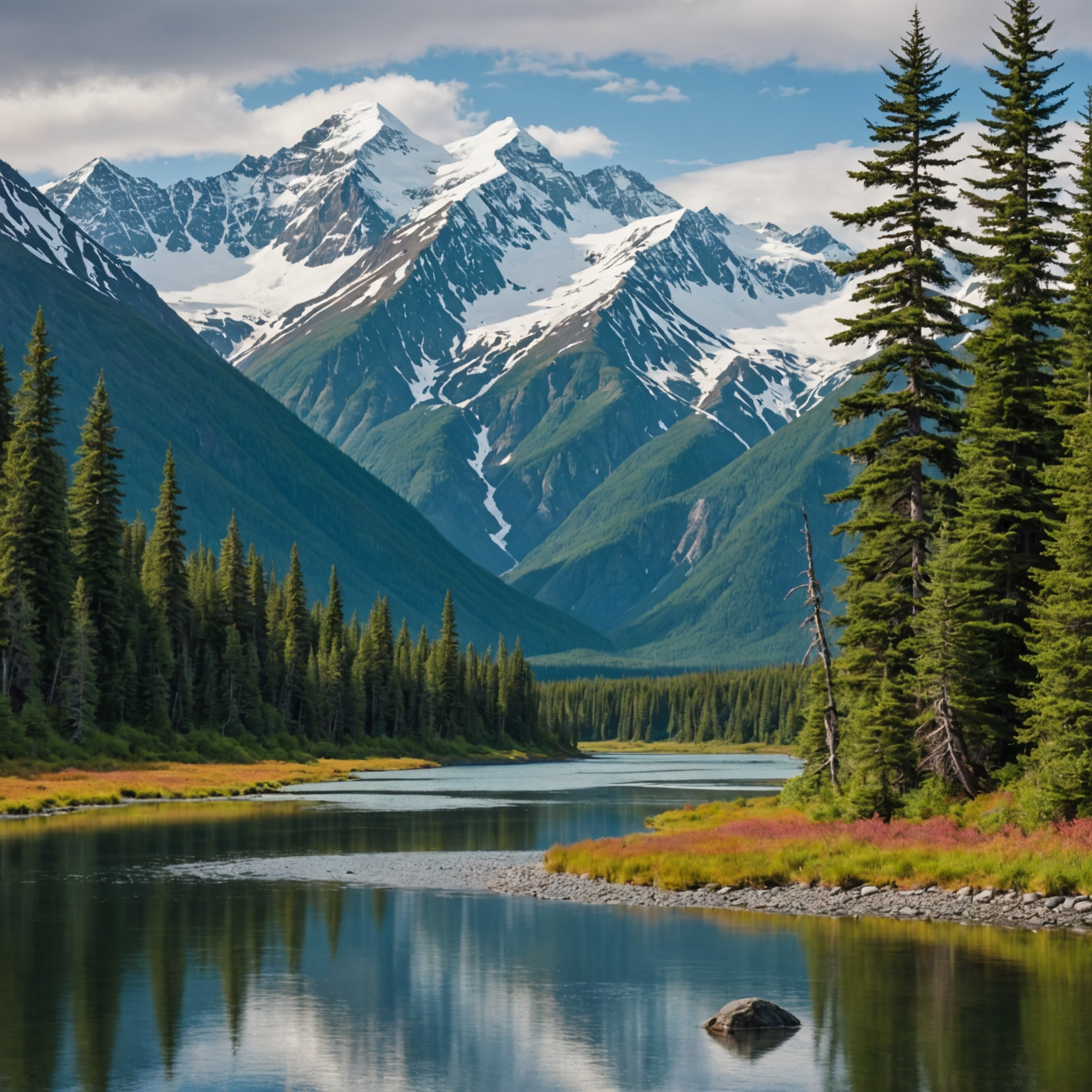
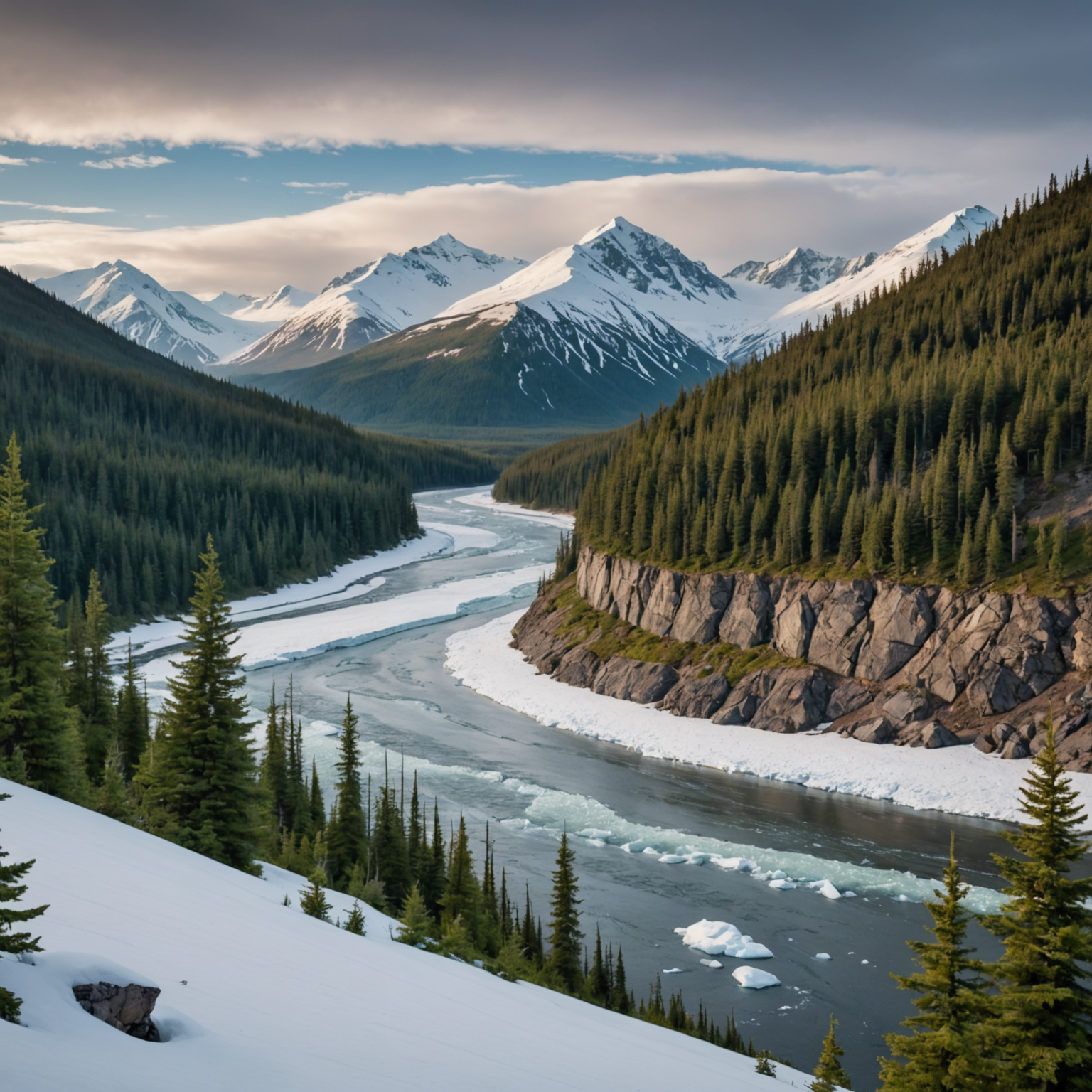
Alaska is one of the premier destinations for viewing the Northern Lights. Its remote wilderness and minimal light pollution offer an unobstructed view of the sky. Notable locations include Fairbanks, where you can often see the aurora 200 nights a year, and Anchorage, which offers both urban and remote viewing experiences. For more travel information, Travel Alaska and Alaska.org offer comprehensive resources.
Fairbanks
Fairbanks is renowned for its consistent aurora sightings. Consider staying at lodges like the Snowhook Lodge, which provides easy access to optimal viewing spots. Additionally, the Glacier Northern Lights Adventure offers a unique way to experience the lights from a glacier setting.
Anchorage
While Anchorage is a city, it’s surrounded by wilderness, making it possible to escape the city lights and enjoy the aurora. Explore tours like the Winter Experience Adventure Tour for guided excursions that enhance your viewing experience.
Canada
The Yukon, Northwest Territories, and parts of British Columbia also offer excellent opportunities to witness the Northern Lights. The remote landscapes provide a perfect backdrop for the aurora’s display.
Scandinavia
Countries like Norway, Sweden, and Finland are famous for their Northern Lights tours. The combination of snowy landscapes and the aurora creates a magical experience for visitors.
Tips for a Successful Northern Lights Experience
- Plan Ahead: Check the aurora forecast and weather conditions before heading out. Websites like the National Weather Service provide reliable weather updates.
- Choose the Right Location: Opt for areas away from city lights and with clear skies. High-altitude spots often offer better visibility.
- Dress Warmly: The best viewing times are during the coldest months, so layer up to stay warm.
- Photography Tips: Use a tripod and a camera with manual settings. Adjust the ISO and exposure time to capture the best images of the aurora.
- Be Patient: The Northern Lights are unpredictable. Sometimes waiting is necessary, but the reward is worth it.
Conclusion
The Northern Lights are a mesmerizing natural wonder that captivates all who witness them. With the right planning and location, your chances of experiencing this celestial dance increase significantly. Whether you choose to explore the wilderness of Alaska or the snowy terrains of Scandinavia, the adventure will undoubtedly be unforgettable. Embark on a dog sledding adventure or combine it with snowmobiling for an added thrill to your Northern Lights journey.
FAQ
1. What causes the Northern Lights?
The Northern Lights are caused by the interaction between solar wind particles and the Earth’s magnetic field, resulting in the emission of light.
2. What is the best month to see the Northern Lights?
The best months are from late September to early April, when nights are longest and darkest.
3. Can I see the Northern Lights from Anchorage?
Yes, you can see the Northern Lights from Anchorage, especially if you venture into surrounding areas with less light pollution.
4. How can I photograph the Northern Lights?
Use a tripod, a camera with manual settings, and adjust the ISO and exposure for the best results. Patience and practice are key.
5. Are Northern Lights tours worth it?
Yes, guided tours often provide expert insights and access to prime viewing locations, enhancing your overall experience.
6. Can weather affect Northern Lights visibility?
Yes, cloud cover and weather conditions can obscure the Northern Lights. Always check the weather forecast before heading out.
7. Is it possible to see the Northern Lights in summer?
While it’s more challenging due to shorter nights, it’s possible to see the aurora during the late summer months in areas with darker skies.
8. What should I wear for a Northern Lights tour?
Dress in layers with insulated clothing, hats, gloves, and boots to stay warm during winter viewing.