Aurora Full Moon Nights in Alaska Explained
Experiencing the aurora borealis, or northern lights, is a breathtaking spectacle that draws visitors from around the world to Alaska. One might think that witnessing this natural wonder is only possible on the darkest nights, but the phenomenon of aurora full moon nights challenges this assumption. This blog post explores how aurora full moon nights in Alaska work and why strong auroras can still shine brightly under illuminated skies.
Understanding the Aurora Borealis
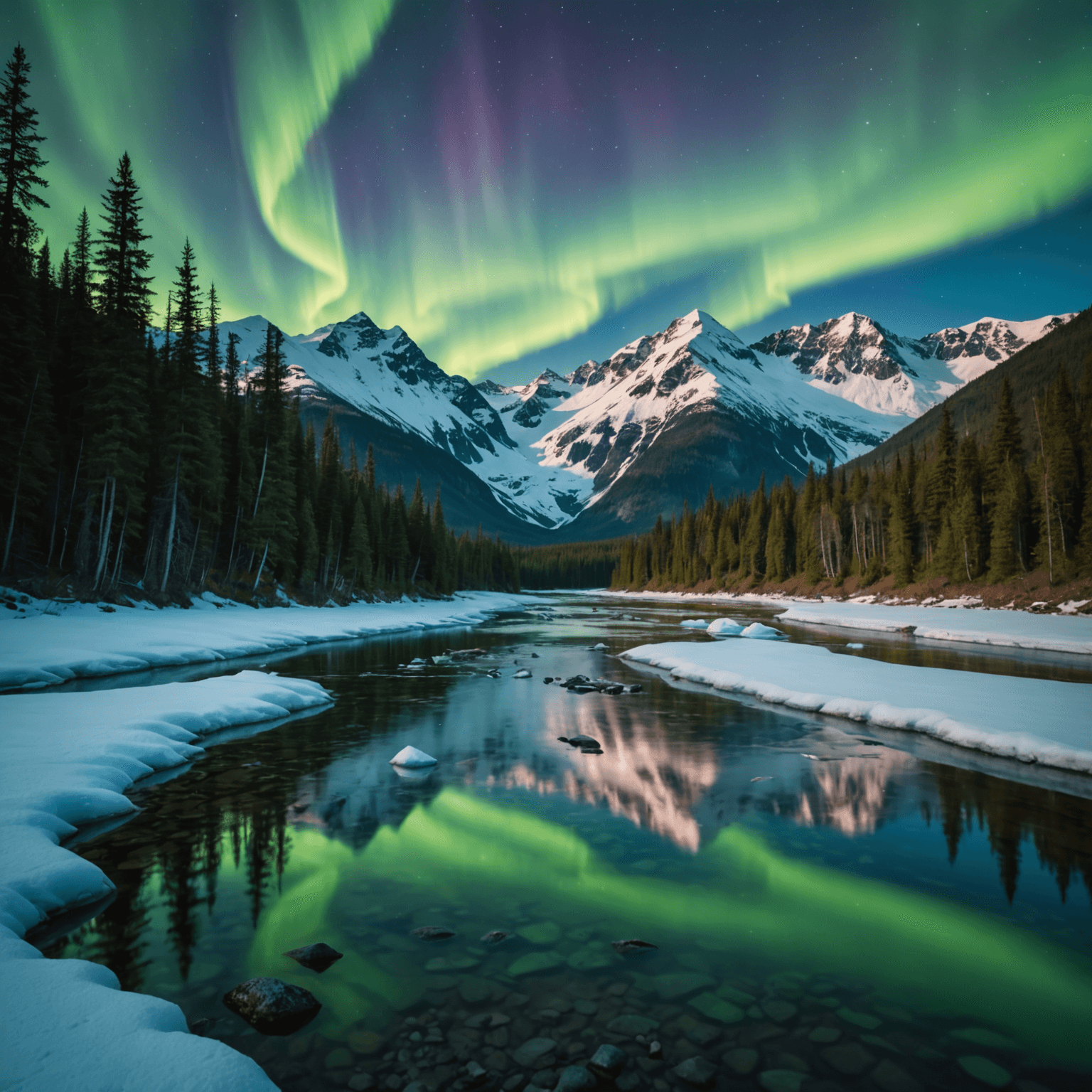
The aurora borealis is a natural light display predominantly seen in high-latitude regions near the Arctic and Antarctic. It occurs when charged particles emitted by the sun collide with gases in Earth’s atmosphere, causing them to light up. The result is a mesmerizing dance of colors across the night sky, ranging from greens and pinks to reds and purples, depending on the type of gas involved.
In Alaska, the aurora is most commonly visible between late August and April. The state’s long, dark nights and clear skies offer prime conditions for witnessing this phenomenon. However, many assume that a full moon would obscure the aurora, but this isn’t necessarily the case.
The Role of the Full Moon
A full moon provides significant illumination, often washing out the stars and dimmer celestial features. Yet, the aurora borealis can still be visible during these nights, especially when the auroral activity is strong. The moonlight can even add a unique dimension to the viewing experience, illuminating the landscape and offering photographers a chance to capture the aurora alongside well-lit foreground elements.
How the Aurora and Full Moon Coexist
The visibility of the aurora during a full moon depends on the strength of the auroral activity. Strong geomagnetic storms, which are rated on the Kp index from 0 to 9, can produce auroras bright enough to be seen in full moon conditions. A Kp index of 5 or higher typically indicates a geomagnetic storm strong enough to outshine the moonlight.

Optimal Conditions for Viewing
To maximize your chances of witnessing the aurora during a full moon, consider the following tips:
Check the Aurora Forecast: Websites like the Geophysical Institute’s Aurora Forecast provide detailed predictions of auroral activity. Look for a high Kp index to ensure the aurora will be visible despite the moonlight.
Choose a Dark Location: Head to areas with minimal artificial light pollution. While the moon provides natural light, avoiding streetlights and other artificial sources will enhance your viewing experience.
Weather Considerations: Clear skies are crucial. Use resources like the National Weather Service for up-to-date weather forecasts in Alaska.
Photographic Opportunities: A full moon provides excellent lighting for photographs. Capture stunning images of the aurora with moonlit landscapes. For adventure enthusiasts, Snowhook Adventures offers guided tours that combine aurora viewing with other activities like dog sledding.
The Unique Appeal of Full Moon Aurora Viewing
Viewing the aurora during a full moon offers a distinct experience compared to darker nights. The moonlight creates a serene and mystical atmosphere, highlighting the snowy Alaskan terrain in a way that enhances the overall visual impact. This combination can make for unforgettable memories and stunning photographs.
Combining Aurora Viewing with Alaskan Adventures
Alaska is a land of adventure, and combining aurora viewing with other activities can enrich your visit. For instance, Snowhook Adventures offers exciting combinations like dog sledding and snowmobile tours, allowing you to experience the thrill of the Alaskan wilderness by day and the beauty of the aurora by night.
Conclusion
Aurora full moon nights in Alaska present a unique opportunity to witness one of nature’s most spectacular displays under conditions that many might overlook. By understanding how the aurora and full moon interact, you can plan an unforgettable trip to Alaska that combines the magic of the northern lights with the serene beauty of a moonlit night.
Exploring this phenomenon can be a gateway to experiencing other Alaskan adventures. Whether you’re interested in dog sled rides or a helicopter tour over Hatcher Pass, the possibilities are vast and enriching.
FAQ
1. Can you see the aurora borealis during a full moon?
Yes, you can see the aurora borealis during a full moon, especially if the auroral activity is strong. A Kp index of 5 or higher usually indicates a strong enough display to be visible even with moonlight.
2. When is the best time to see the aurora borealis in Alaska?
The best time to see the aurora borealis in Alaska is between late August and April, when the nights are longest and darkest, providing optimal conditions for aurora viewing.
3. How does a full moon affect aurora photography?
A full moon can enhance aurora photography by illuminating the landscape, allowing photographers to capture more detailed and dramatic images. The moonlight can add depth and contrast to the photographs.
4. Where are the best places in Alaska to see the aurora borealis?
Some of the best places to see the aurora borealis in Alaska include Fairbanks, Denali National Park, and the outskirts of Anchorage. These areas offer clear skies and minimal light pollution.
5. What should I wear when viewing the aurora in Alaska?
Dress warmly in layers and wear insulated boots, gloves, and hats. Temperatures in Alaska can be extremely cold, especially at night, so proper clothing is essential for staying comfortable.
6. Are there tours available for aurora viewing in Alaska?
Yes, there are many tours available for aurora viewing in Alaska. For a unique experience, consider booking a Glacier Northern Lights Adventure with Snowhook Adventures, which combines aurora viewing with other exciting activities.
7. Can aurora borealis be predicted?
Yes, the aurora borealis can be predicted using space weather forecasts. Websites like the Space Weather Prediction Center provide short-term predictions based on solar activity.
8. What other activities can I combine with aurora viewing?
You can combine aurora viewing with activities like dog sledding, snowmobiling, and even helicopter tours. Check out Snowhook Adventures for a range of options that cater to all seasons and preferences.