Introduction
The aurora borealis, or northern lights, is one of nature’s most breathtaking phenomena. This dazzling display of colors in the night sky has fascinated humanity for centuries. While many people have heard of the aurora borealis, not everyone knows the intricate details behind this natural wonder. In this article, we explore 10 interesting facts about aurora borealis, delving into its scientific roots, cultural significance, and the best ways to experience it. Whether you’re planning a trip to Alaska or simply curious about the northern lights, this guide will illuminate the mysteries of the aurora borealis.
What Causes the Aurora Borealis?
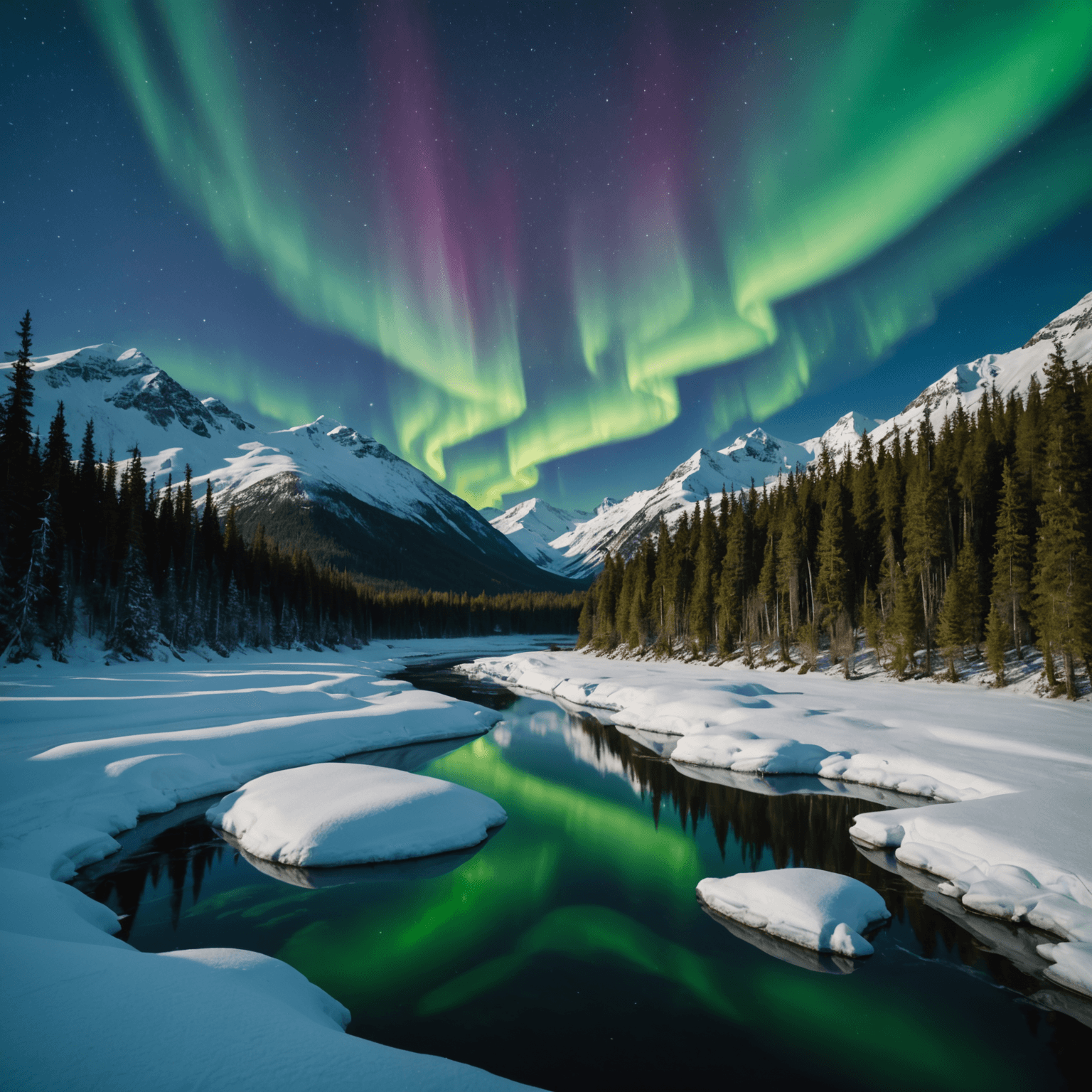
The aurora borealis occurs when charged particles from the sun collide with Earth’s atmosphere. These particles, primarily electrons and protons, are propelled by the solar wind and become trapped in Earth’s magnetic field. As they collide with gases like oxygen and nitrogen in the atmosphere, they emit light, creating the vibrant displays visible near the polar regions.
The Role of Solar Activity
Solar activity plays a crucial role in the intensity and frequency of the auroras. During periods of high solar activity, such as solar maxima, the auroras are more likely to appear and can be seen further from the poles. Scientists use various tools, including the NOAA’s Space Weather Prediction Center, to forecast auroral activity.
Mythology and Cultural Significance
Throughout history, the aurora borealis has inspired numerous myths and legends. In Norse mythology, the lights were believed to be reflections from the shields of the Valkyries, while some Indigenous peoples in North America viewed them as ancestors’ spirits. Today, the aurora continues to captivate those who witness it, often being seen as a spiritual or mystical experience.
The Colors of the Aurora
One of the most interesting facts about aurora borealis is its diverse color palette. The colors depend on the type of gas particles involved and their altitude:
- Green: The most common color, caused by oxygen molecules about 60 miles above Earth.
- Red: Produced by high-altitude oxygen, rarely seen due to its faintness.
- Purple and Blue: Result from nitrogen interactions, visible at lower altitudes.
Best Places to View the Aurora Borealis
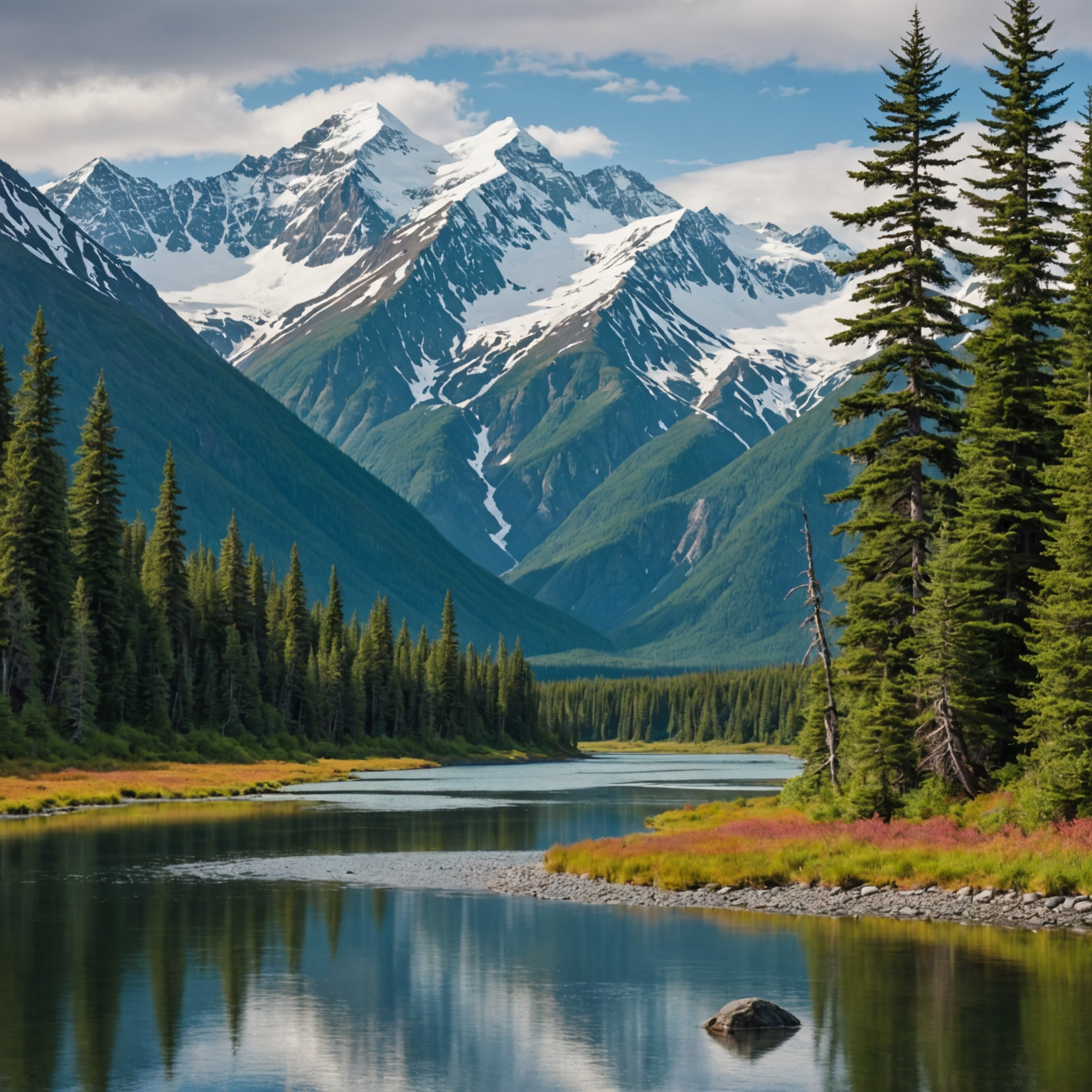
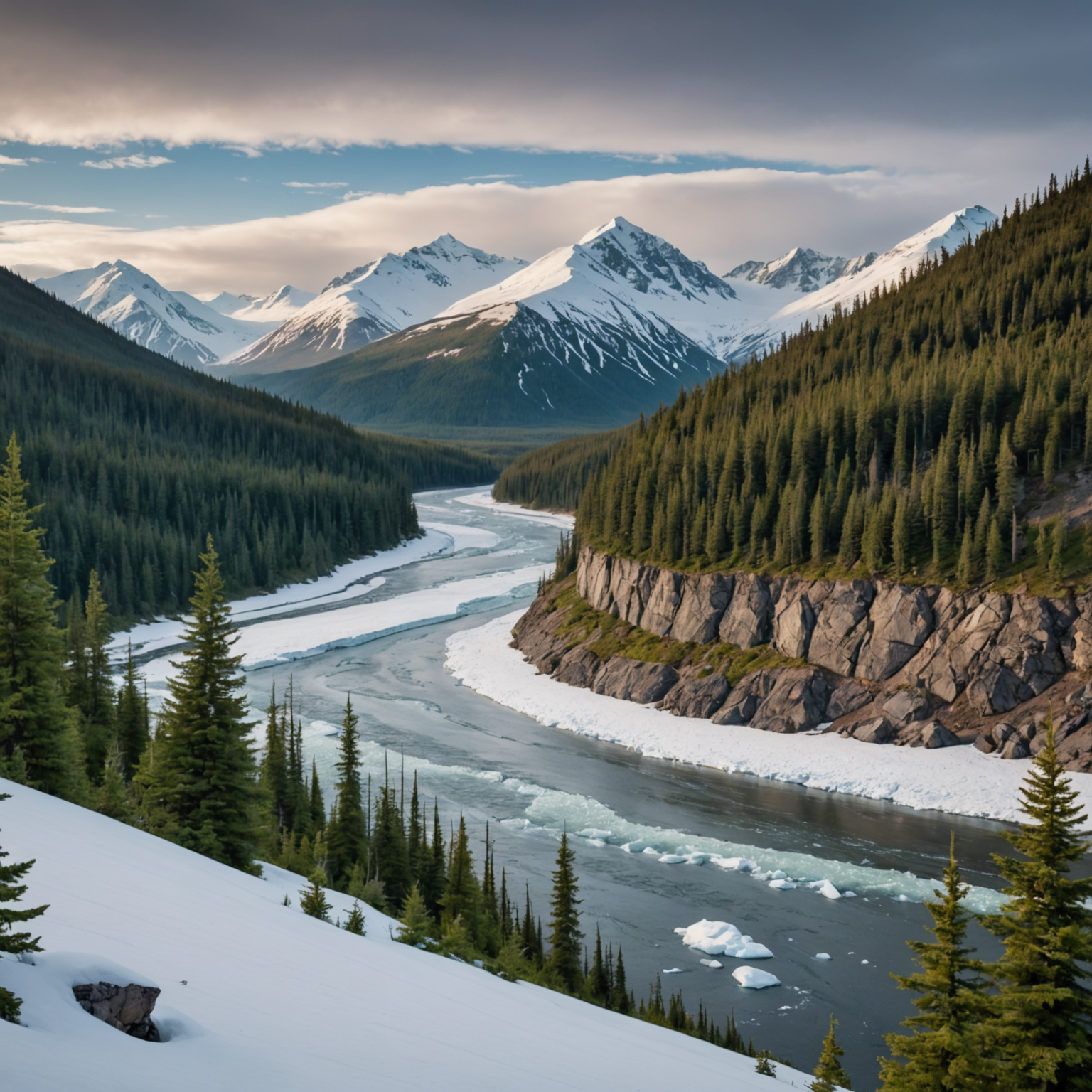
Alaska is one of the premier destinations for viewing the northern lights. Locations such as Fairbanks and Denali National Park offer excellent viewing opportunities due to their northern latitude and minimal light pollution. The Travel Alaska website provides detailed information on the best times and places to see the aurora.
Planning Your Trip
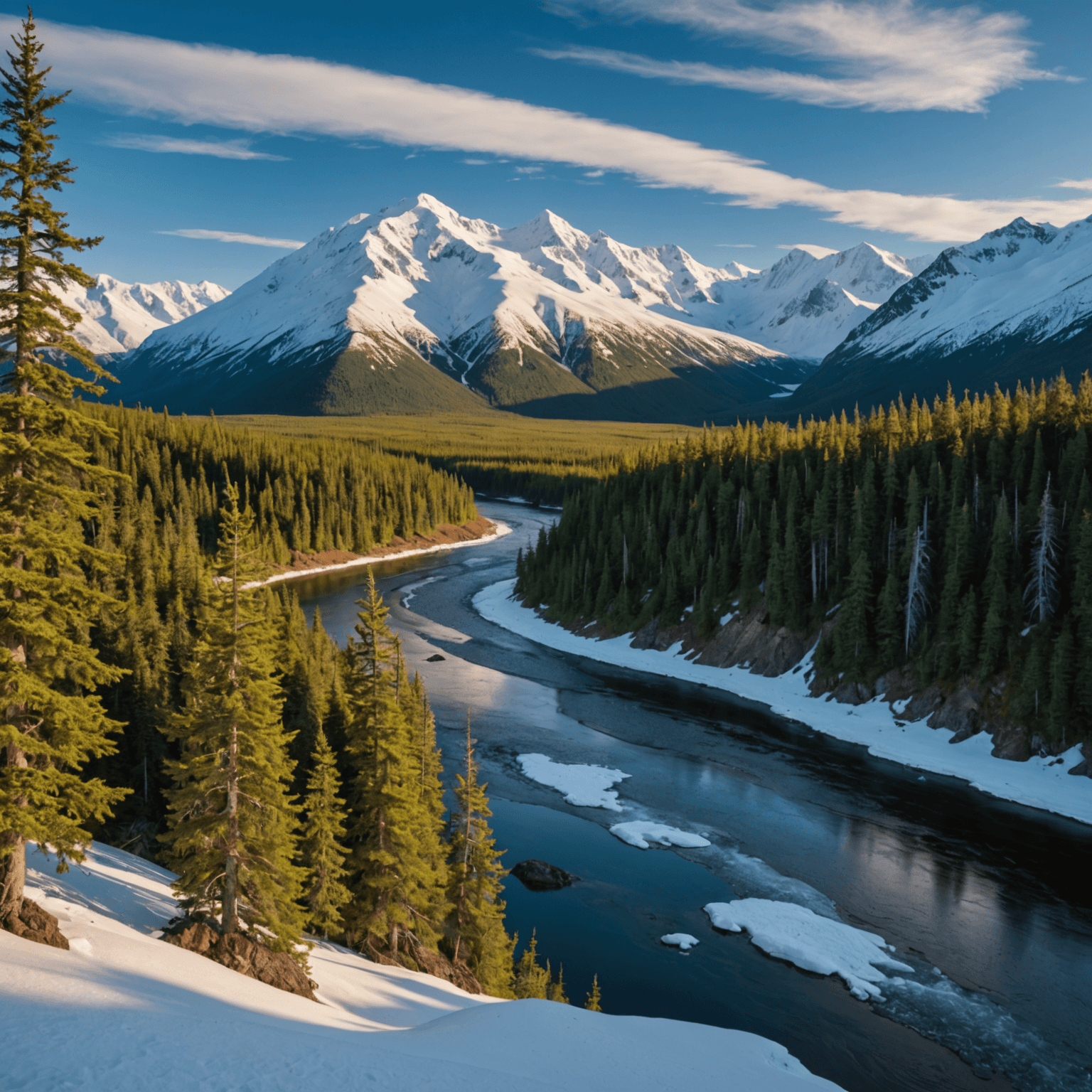
For those planning an aurora-viewing trip, it’s essential to consider both timing and location. The aurora is most visible in the winter months when the nights are longest. For an adventurous experience, consider the Glacier Northern Lights Adventure which combines northern lights viewing with glacier exploration.
The Science Behind the Lights
The aurora borealis is a subject of ongoing scientific study. Researchers at the Geophysical Institute of the University of Alaska monitor auroral activity and study its effects on the Earth’s atmosphere. Understanding the aurora helps scientists learn more about space weather and its impact on Earth’s environment.
How to Photograph the Aurora
Capturing the aurora borealis requires some photographic skill and the right equipment. A DSLR camera with manual settings, a tripod, and a wide-angle lens are recommended. Patience and practice are key, as the aurora’s intensity can vary throughout the night.
Conclusion
The aurora borealis is more than just a natural light show; it’s a blend of science, mythology, and art that continues to captivate observers worldwide. Whether you’re a seasoned aurora chaser or a curious beginner, understanding these 10 interesting facts about aurora borealis enriches the experience. From its scientific origins to the best viewing spots, the northern lights offer a unique glimpse into the wonders of our universe.
FAQ
What is the best time of year to see the aurora borealis?
The best time to view the aurora borealis is during the winter months, from late September to early April, when the nights are longest and darkest.
Can the aurora borealis be seen outside of Alaska?
Yes, the aurora borealis can also be observed in other northern regions such as Canada, Norway, Sweden, and Iceland. However, Alaska remains one of the most accessible and popular destinations for aurora viewing.
How does solar activity affect the aurora borealis?
Increased solar activity, such as solar flares and coronal mass ejections, can enhance the intensity and frequency of auroral displays, making them more visible and colorful.
Are there any legends associated with the aurora borealis?
Yes, many cultures have myths and legends about the aurora. For example, some Indigenous groups in North America view the lights as spirits of their ancestors, while Norse mythology associates them with the Valkyries.
What equipment is needed to photograph the aurora borealis?
To photograph the aurora, you’ll need a DSLR camera with manual settings, a sturdy tripod, a wide-angle lens, and patience. Long exposure times help capture the vibrant colors of the aurora.
Can I see the aurora borealis during the summer?
It’s challenging to see the aurora during the summer due to the short nights and extended daylight hours. Winter provides the best conditions for viewing.
What causes the different colors in the aurora borealis?
The colors of the aurora depend on the type of gas particles involved in the collisions. Oxygen produces green and red colors, while nitrogen results in purples and blues.
What are some recommended tours for viewing the aurora borealis?
For a guided experience, consider tours like the Hatcher Pass Helicopter Tour or the Dog Sled Snowmobile Combo offered by Snowhook Adventures, which provide unique ways to view the aurora amidst Alaska’s stunning landscapes.