Introduction
The Northern Lights, or Aurora Borealis, are one of nature’s most mesmerizing displays. Seen as colorful waves of light dancing across the night sky, this phenomenon has fascinated humans for centuries. But what exactly causes these lights, and what makes them so intriguing? In this post, we’ll explore 10 fun facts about the Northern Lights that will enhance your appreciation of this natural wonder.
[spronix_cta key=”northern-lights-adventures”]
1. The Science Behind the Glow
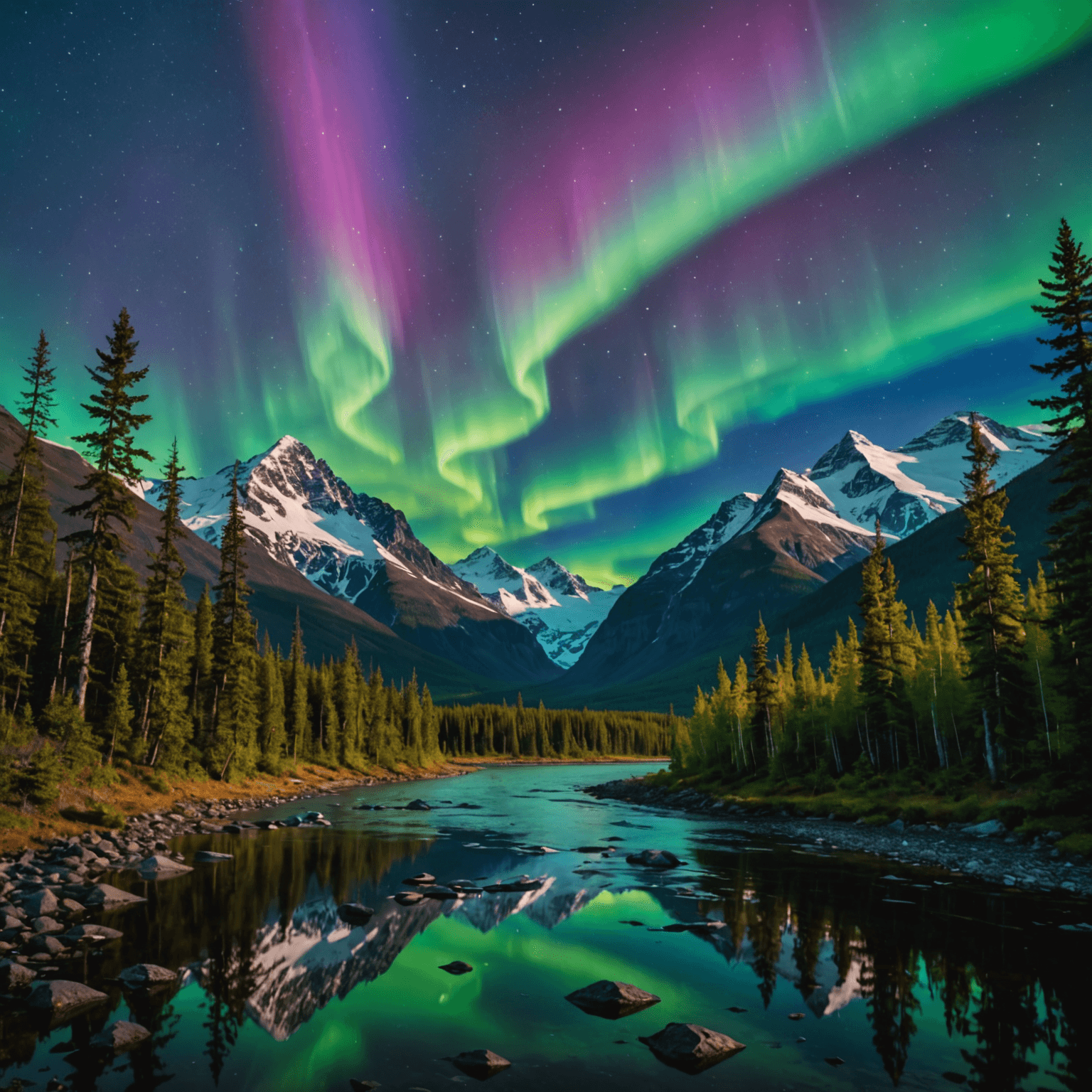
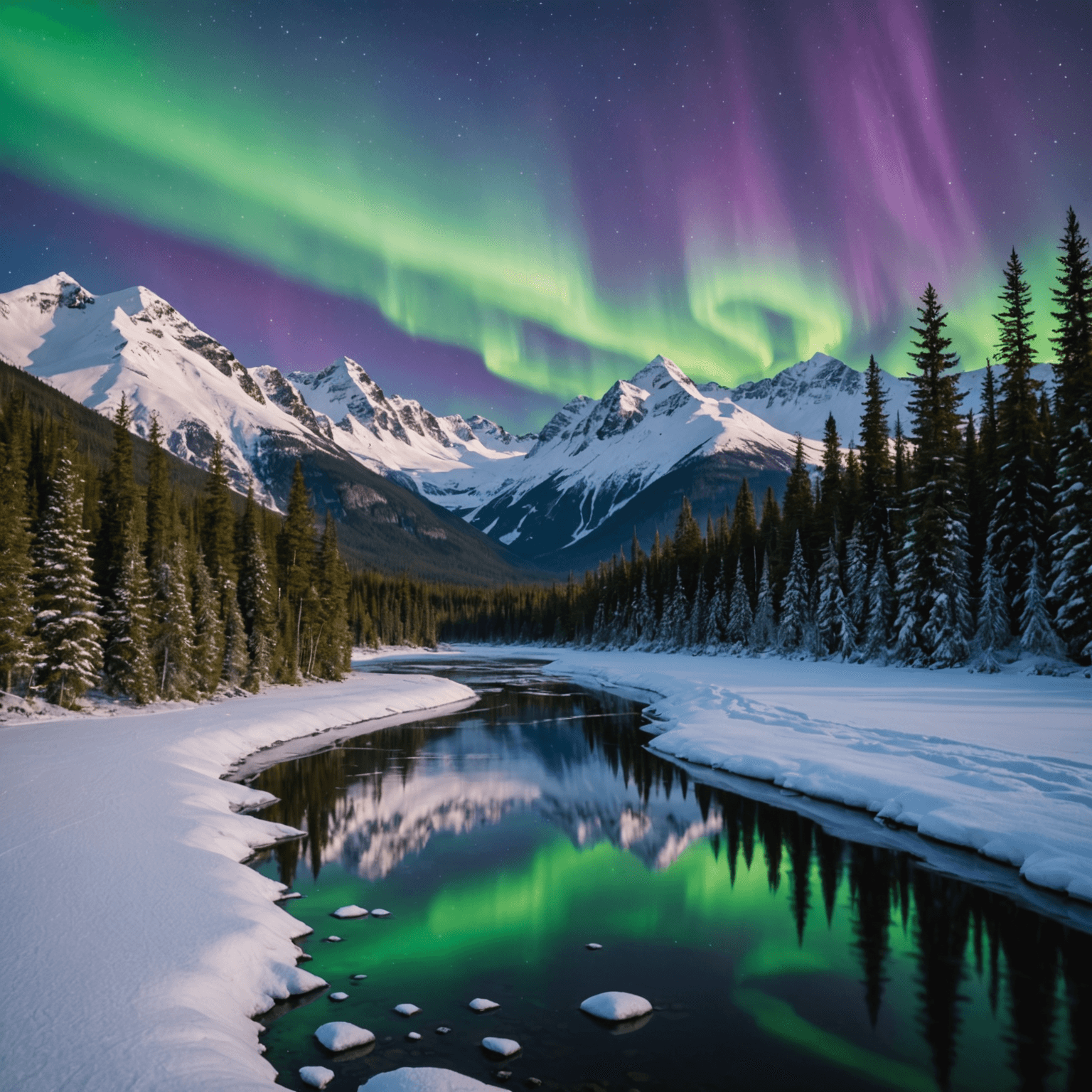
The Northern Lights are a result of solar particles colliding with gases in Earth’s atmosphere. When these charged particles from the sun strike the Earth’s magnetic field, they create the stunning light displays we see. The different colors are due to the type of gas molecules involved: oxygen produces green and red lights, while nitrogen results in blue and purple hues.
For those curious about how to witness this phenomenon, regions like Alaska offer prime viewing opportunities. Consider embarking on a snowmobile northern lights tour for a thrilling experience.
2. Best Places to See the Northern Lights
The best places to view the Northern Lights are within the auroral oval, a region encircling the magnetic poles of the Earth. Countries such as Norway, Sweden, Finland, and Canada are popular destinations. In the United States, Alaska provides some of the most accessible and reliable viewing locations. Travel Alaska offers detailed information on prime viewing spots.
3. The Role of Solar Activity
The intensity and frequency of the Northern Lights are closely tied to the sun’s activity, particularly solar flares and coronal mass ejections. During periods of high solar activity, the auroras are more vibrant and can be seen further south than usual. You can keep track of solar activity and aurora forecasts through resources like the GI Alaska Aurora Forecast.
4. Ancient Myths and Legends
The Northern Lights have inspired a myriad of myths and legends across different cultures. In Norse mythology, they were believed to be the glimmering armor of the Valkyries. The Inuit of Alaska thought they were the spirits of animals they hunted, such as seals, salmon, and deer. These stories reflect the awe and wonder that the auroras have inspired throughout history.
5. Auroras Aren’t Just Northern
While the Northern Lights are the most famous, their southern counterpart, the Aurora Australis, can be seen in the Southern Hemisphere. Visible from places like Antarctica, southern Australia, and New Zealand, the Aurora Australis shares the same mechanisms but is less frequently observed due to fewer landmasses and populations in the far south.
6. Variability in Colors
The colors of the auroras can vary greatly depending on several factors, including altitude, atmospheric conditions, and the type of gas involved. Typically, lower altitude auroras appear red, while higher altitude displays range from green to violet. This variability makes each aurora sighting unique.
7. Daylight Auroras
While most associate the Northern Lights with nighttime, they can actually occur at any time of day. However, they are usually only visible in darkness, which is why sightings are more common during the long, dark nights of winter near the poles.
8. The Impact of Light Pollution
Light pollution can significantly affect the visibility of the Northern Lights. To experience the auroras in their full glory, it’s best to travel to remote areas away from city lights. Alaska.org provides helpful tips on finding secluded spots for optimal viewing.
9. Sound of the Northern Lights
There are anecdotal reports of the Northern Lights producing faint sounds, such as crackling or hissing. While this has not been conclusively proven, the notion adds another layer of mystery to the auroras. Scientists continue to investigate these claims, hoping to unravel one of nature’s lingering mysteries.
10. Planning Your Aurora Adventure
If witnessing the Northern Lights is on your bucket list, planning your trip carefully is essential. Consider booking a custom tour to tailor your adventure. Make sure to check local weather forecasts and aurora predictions, such as those from the National Weather Service, to increase your chances of a successful sighting.
Conclusion
The Northern Lights are a breathtaking example of nature’s beauty, captivating observers with their vibrant colors and mysterious origins. Whether you’re a first-time viewer or a seasoned aurora chaser, understanding these fun facts about the Northern Lights can enrich your experience. From the science that drives them to the best viewing locations, there’s always something new to learn about these incredible displays.
[spronix_cta key=”northern-lights-adventures”]
FAQ
What causes the Northern Lights?
The Northern Lights are caused by solar particles colliding with gases in the Earth’s atmosphere, resulting in colorful light displays.
Where are the best places to see the Northern Lights?
The best places to view the Northern Lights are within the auroral oval, including regions like Alaska, Norway, and Canada.
Can the Northern Lights be seen during the day?
Yes, the Northern Lights can occur at any time, but they are only visible in darkness, making nighttime sightings more common.
Do the Northern Lights make noise?
While some people report hearing sounds associated with the Northern Lights, there is no scientific consensus on this phenomenon.
How does solar activity affect the Northern Lights?
Higher solar activity increases the intensity and frequency of the Northern Lights, making them more vibrant and visible further south.
What are the Northern Lights called in the Southern Hemisphere?
In the Southern Hemisphere, the auroras are known as the Aurora Australis, or Southern Lights.
How can I plan a trip to see the Northern Lights?
Planning a trip to see the Northern Lights involves selecting the right location, timing your visit with solar activity, and avoiding light pollution. Consider a dog sled and ATV adventure tour for a unique experience.
Why do the Northern Lights have different colors?
The colors of the Northern Lights depend on the type of gas molecules involved and the altitude at which the collisions occur.